Last updated November 23, 2026
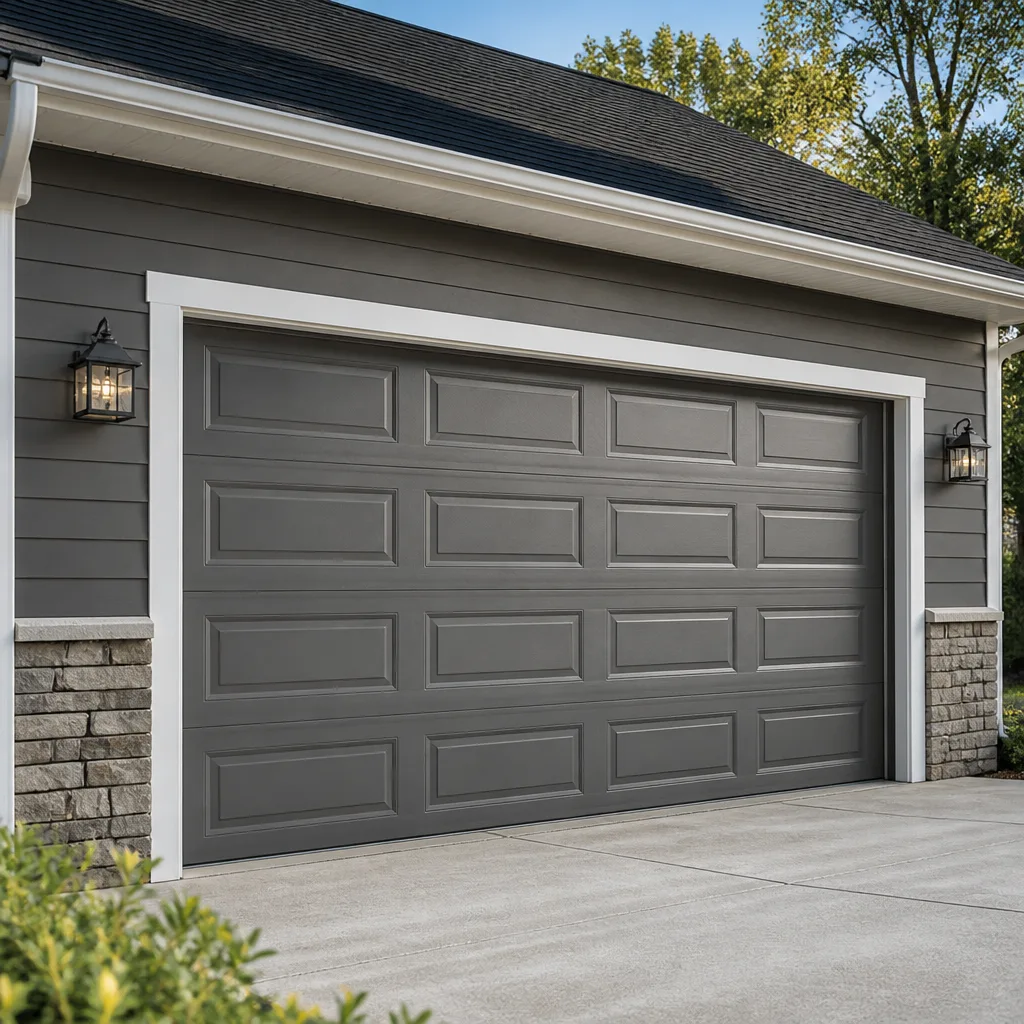 Raised-panel steel
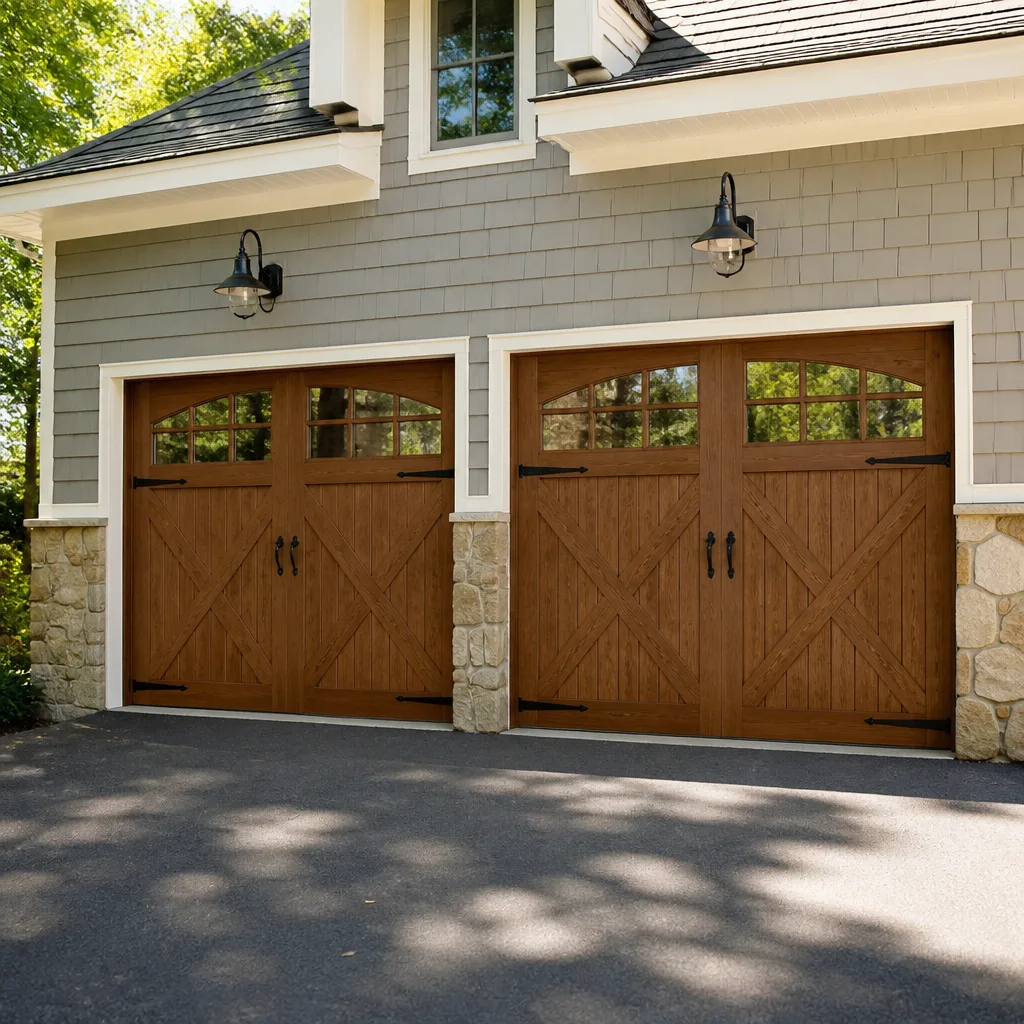 Carriage house
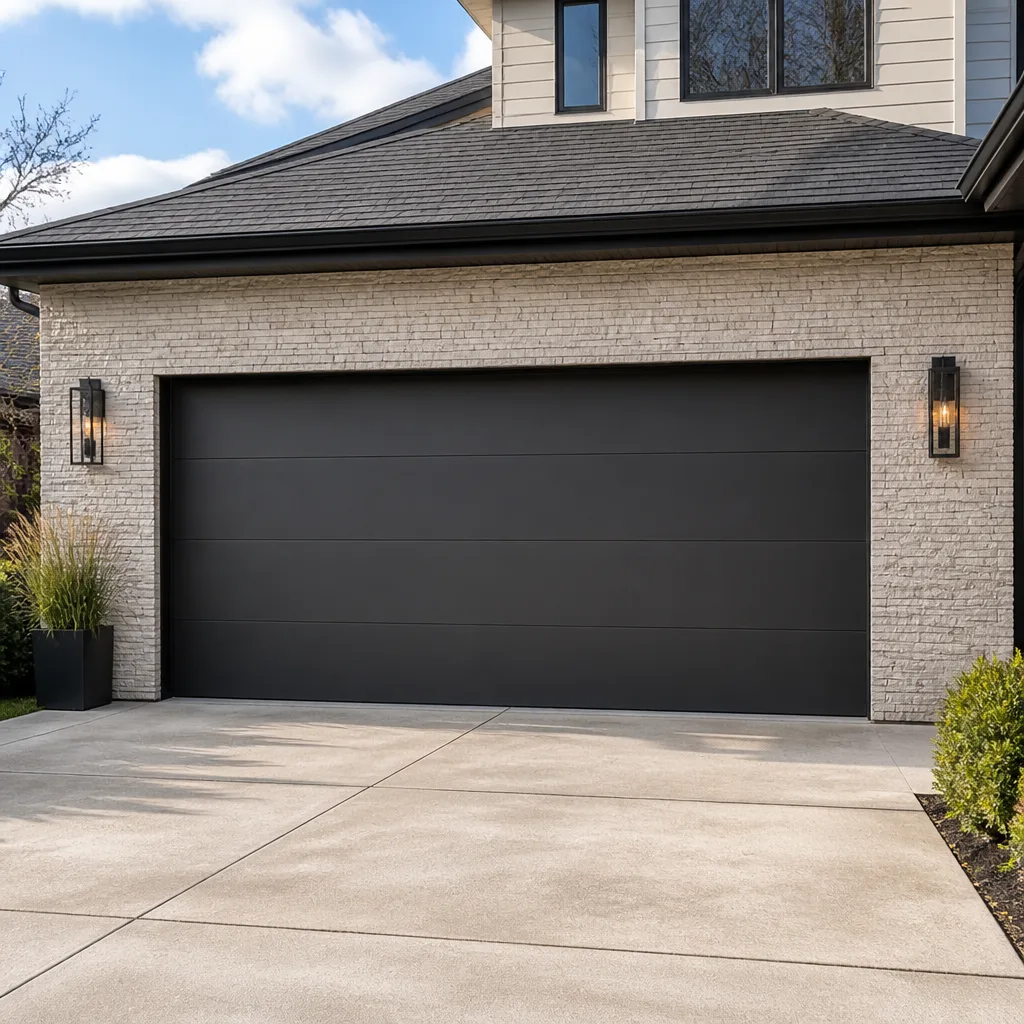 Modern flush
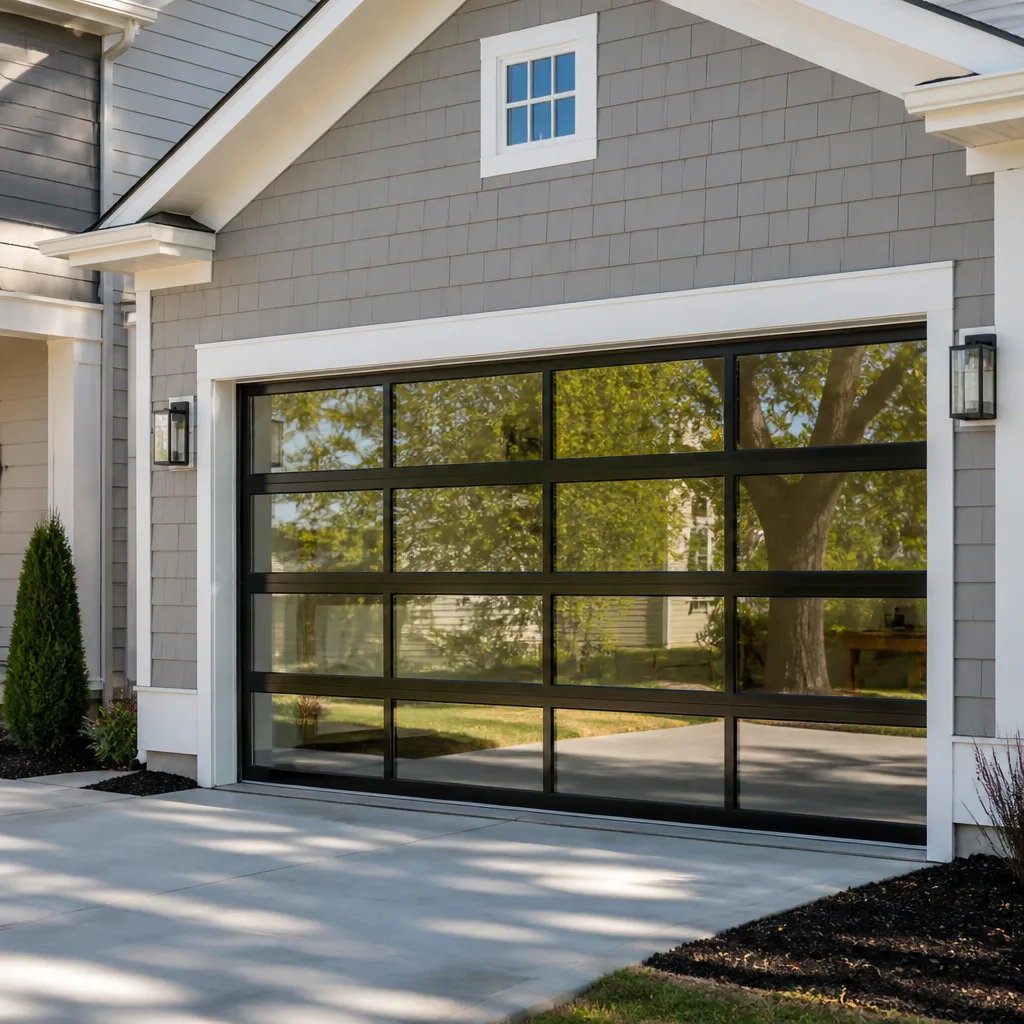 Full-view glass
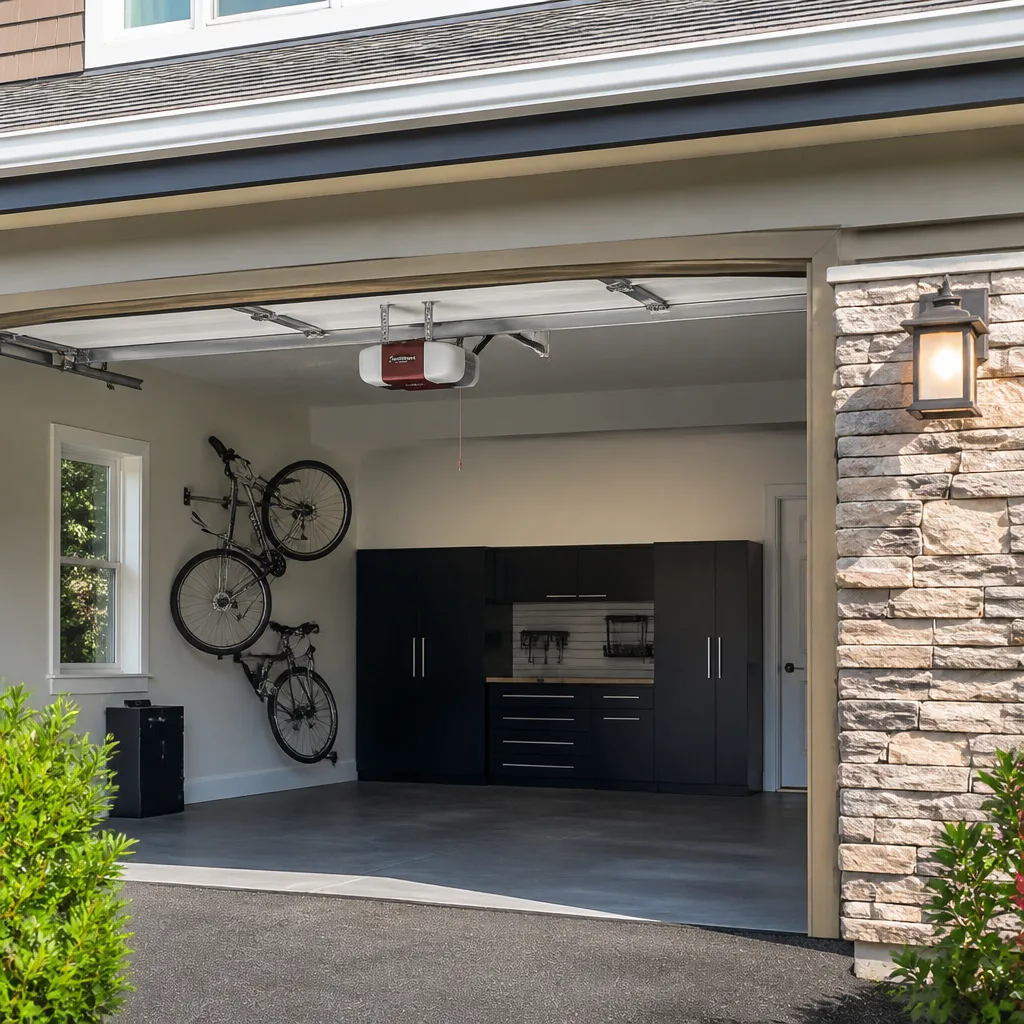 LiftMaster openers
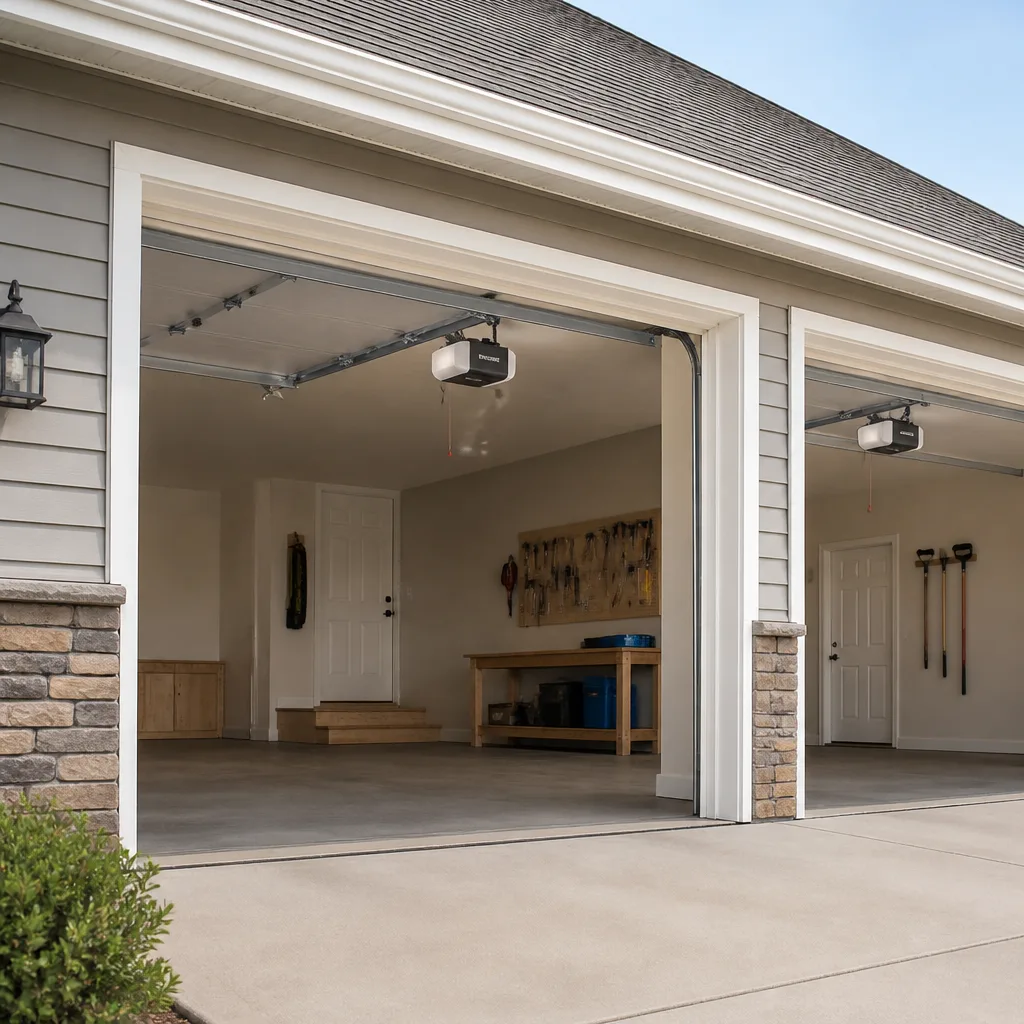 Chamberlain openers
Full 25-point door and opener safety check with every visit - springs, cables, rollers, tracks, and your LiftMaster or Chamberlain opener included
You get a price before we start. It does not change when the pro arrives.
Get your free estimateGarage Door Emergency Preparedness Guide for Pawtucket Homes
Most garage door emergencies in Pawtucket aren’t really garage door failures. They’re preparation failures. When a nor’easter knocks the power out across the East Side, or a January cold snap freezes a door shut, the homeowners who get their cars out and their houses secured are the ones who already knew where the manual release was and how to use it. The ones who panic are the ones meeting their opener for the first time. This guide walks through the specific emergencies Pawtucket homes actually face – power loss, frozen hardware, spring failures, storm-driven damage – and gives you a practical plan for each one, including the first 30 minutes after a spring snaps and the pre-storm checklist worth running before every named storm.
Quick Answer
A garage door emergency in Pawtucket is manageable if you know three things in advance: where your opener’s manual release is, how to disconnect the door from the opener safely, and which failures require same-day professional service versus which can wait until morning. Power outages and frozen doors are usually self-solvable. Broken springs, snapped cables, and doors stuck open during a storm need a trained technician.
Styles & brands we work with
- Raised-panel steel
- Carriage house
- Modern flush
- Full-view glass
- LiftMaster openers
- Chamberlain openers
Table of Contents
- How do you open a garage door when the power is out?
- What if the manual release cord is stuck?
- How do you secure a garage door that won’t close during a storm?
- What to do in the first 30 minutes after a spring breaks
- Pre-storm checklist for Rhode Island nor’easter season
- Which emergencies are safe to leave overnight?
- Why do Pawtucket garage doors freeze in January?
How do you open a garage door when the power is out?
You pull the manual release cord hanging from the opener trolley. That disconnects the door from the opener motor and lets you lift the door by hand. It’s a three-second action – if you know where the cord is and your door is properly balanced.
The manual release is the single most important piece of garage door hardware in your home, and it’s the one almost nobody thinks about until the power’s already out. Every opener we service – LiftMaster, Chamberlain, Genie, Craftsman, and the rest – uses the same basic release mechanism, though the cord and handle style varies.
Here’s the sequence for the most common residential openers in Pawtucket:
- Locate the release cord. It hangs from the trolley on the ceiling-mounted rail, usually with a red or T-shaped handle. It’s typically near the door end of the rail.
- Pull straight down firmly. You should feel the trolley disengage from the carriage with a distinct click.
- Lift the door by hand. Use the bottom section or a lift handle. A properly balanced door should lift with moderate effort – if it feels extremely heavy or drops on its own, stop and call for service.
- Re-engage when power returns. Pull the release cord back toward the door opener, or run the opener once and let it re-catch the trolley automatically, depending on model.
A word of caution before you pull that cord: on a door with a broken spring, the door will be far heavier than normal, and lifting it manually can drop it fast. If you suspect a spring is broken, don’t pull the release. Call first. If your door uses a wall-mounted jackshaft opener rather than a ceiling-mounted trolley system, there is no pull cord – the release is a lever or chain on the unit itself, and it works differently.
What if the manual release cord is stuck?
A stuck release cord usually means the trolley is under tension from a partially engaged opener or the release mechanism has seized from disuse. Don’t yank it hard – that can bend the carriage arm or snap the cord.
We’ve seen this plenty on doors that haven’t been manually released in years. The cord hangs there, gets dusty, the trolley sits in the same position, and the release lever freezes in place. When you finally need it during a Pawtucket power outage, it won’t budge. Here’s what to try, in order:
- Check that the opener is actually off. If the motor is still trying to hold the door, the trolley stays under load and the release won’t move. Kill the wall switch or breaker first.
- Push the door slightly toward the opener before pulling. Sometimes the trolley is caught on a rail bump and a small nudge frees it.
- Inspect the cord for a knot or tangle. A cord wrapped around the rail bracket will feel stuck when it’s just snagged.
- Look at the release lever itself. On some Chamberlain and LiftMaster models the lever is a small metal tab; if it’s frozen or corroded, a light spray of silicone lubricant on the pivot can loosen it – never force it with tools.
If it still won’t release, the carriage may be jammed, and that’s a call-us situation. Forcing a stuck release is how homeowners break the trolley and turn a simple fix into a bigger garage door opener repair.
How do you secure a garage door that won’t close during a storm?
A door stuck open during a storm is a security and water-intrusion problem. The safest temporary fix is to close it manually by hand, secure the bottom with a brace, and disable the opener so it doesn’t cycle.
During a nor’easter, wind-driven rain can push under an open door and soak the garage. Worse, an open door is an open invitation. If your door won’t close via the opener, here’s the sequence:
- Disengage the opener at the manual release so the motor isn’t fighting you.
- Lower the door by hand until it meets the floor. If it won’t meet the floor because the track is bent or something’s jammed underneath, stop – don’t force it, since forcing a bent track can drop the door.
- Lock the door into the closed position. Most residential doors have a manual slide bolt or a latch bar at the bottom section. Engage it. If your door has none, wedge a piece of wood or a heavy object against the bottom section from inside.
- Unplug the opener so nobody cycles it while the door is manually secured.
What doesn’t work: taping plastic over the opening as storm protection (it tears and creates a false sense of security), leaving the door half-down and hoping, or wedging things against the door from the outside (you’ll be fighting the wind). On Pawtucket’s narrow-lot properties, especially the older homes between Division Street and Pleasant Street where garages sit tight to the house, a door that won’t close is the difference between a dry garage and a wet one. A jammed track, misaligned roller, or a door that’s come off one side needs same-day professional service – those are the calls we take during storms. You’ll find the full repair scope on our garage door repair page.
What to do in the first 30 minutes after a spring breaks
A broken spring announces itself with a loud bang and leaves the door too heavy to lift safely. In the first 30 minutes, your job is one thing: keep the door where it is and keep people away from it.
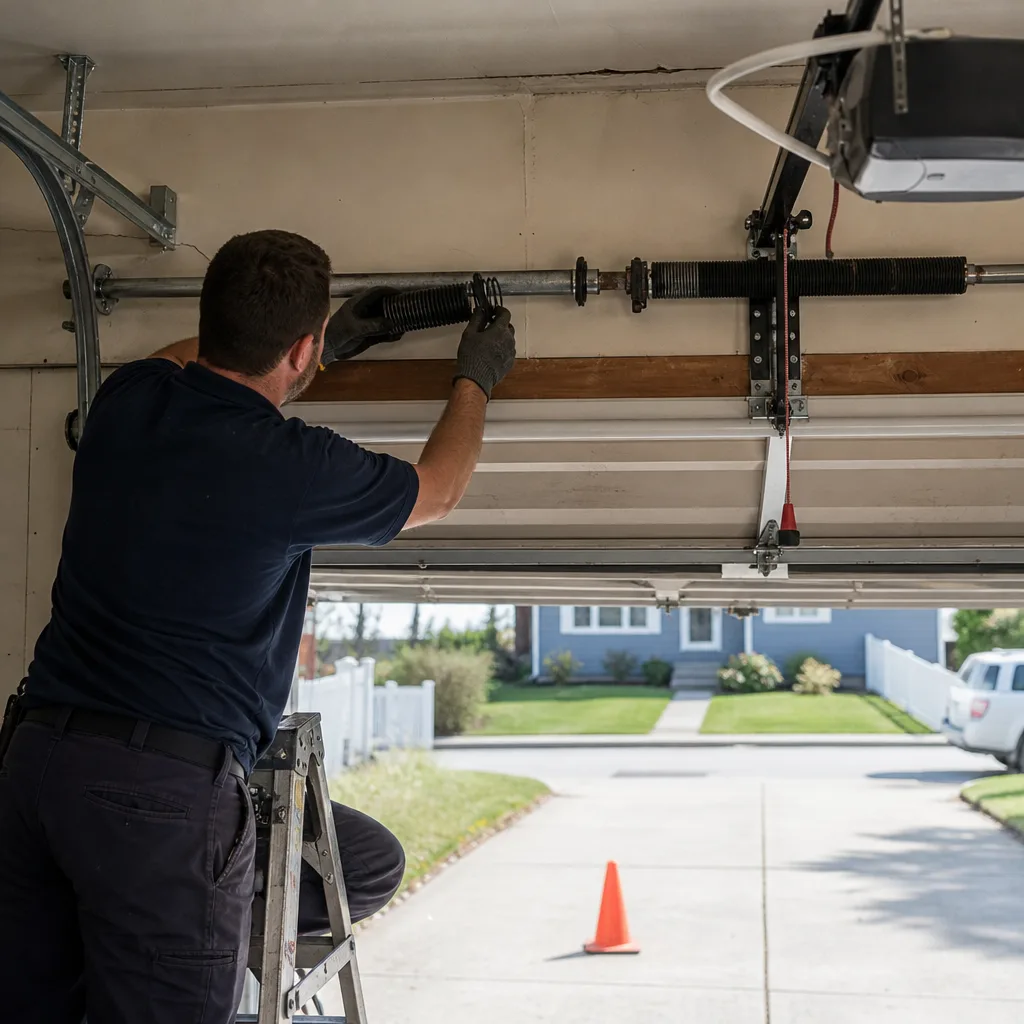
Springs are the most dangerous part of a garage door system. They’re under enormous tension, and when one fails it releases that energy instantly. A snapped spring can whip cables and send metal across the garage. This is not a repair for a homeowner.
Here’s the priority list:
- Do not lift the door. With a broken spring, the door carries full weight on the opener arm and cables, and it can drop without warning. Leave it closed if it was closed.
- Keep vehicles and people clear. Don’t park under or near the door.
- Unplug the opener. That prevents anyone from cycling a door that’s now unbalanced and straining the motor, cables, and carriage.
- Look – don’t touch – the cables. If a cable has come loose or is visibly slack, that’s a serious hazard. Cables are the other high-tension component in the system and can snap.
- Call for spring repair. A broken torsion spring or extension spring needs professional replacement – and if one of a matched pair broke, both are usually replaced together, since the other is the same age and under the same stress.
In our experience, a broken spring in Pawtucket often shows up mid-week, mid-morning – the door worked fine the night before, and the driver backs out at 7:30 and hears the bang. That’s a classic garage door spring repair call, and it’s a specialty we deliberately foreground because so many generalists mishandle it. The typical estimate for one spring here runs $180 – $340, and a matched pair is roughly double that. We quote the price before any work begins, so there’s no surprise invoice after the fact.
Pre-storm checklist for Rhode Island nor’easter season
Run this checklist before any named storm hits Pawtucket. Fifteen minutes of preparation prevents the panic that turns a manageable outage into a garage door emergency.
Rhode Island’s nor’easter season runs roughly from late fall through early spring, and it brings downed power lines, high winds, and rapid freeze-thaw cycles that stress garage door hardware. This is the checklist we’d hand to any homeowner:
- Test the manual release. Pull the cord, lift the door by hand, re-engage. If it won’t disengage cleanly or the door is too heavy to lift, that’s a pre-storm repair to schedule now.
- Check the balance. Lift the door halfway by hand. A properly balanced door should stay roughly in place. If it drops or rises on its own, the springs or cables are worn.
- Inspect the weather seal. Look along the bottom and sides for gaps, cracking, or a seal that’s pulled loose. A bad seal lets wind-driven rain in.
- Charge your backup. If your opener uses a battery backup (many Chamberlain and LiftMaster models do), confirm it’s holding charge. If yours doesn’t, plan for the manual release.
- Clear the tracks of debris. Leaves, small branches, and grit in the track can jam a door at the worst time.
- Lubricate moving parts. Rollers, hinges, and the torsion bar benefit from a proper garage door lubricant before cold weather locks things up.
- Look at the garage roof and entry doors. A garage door emergency often starts with water getting in somewhere else. Note loose flashing or a drafty man-door.
If the balance test fails or the release won’t engage, get it fixed before the storm arrives rather than during it. Pawtucket’s compact lots make it hard to maneuver a car away from a door that’s mid-failure, so pre-storm prep has extra value here.
Which emergencies are safe to leave overnight?
Some failures are safe to wait on until morning; others aren’t. If the door is stuck open during a storm, a spring has snapped, or a cable is loose, call for same-day service. If the opener just won’t respond or the door is stuck in the closed position, it’s usually safe to wait.
Here’s how to sort it quickly:
- Call same-day: broken spring, snapped or slack cable, door off its track, door stuck open during weather, motor smoking or making a grinding/scraping sound, or a door that drops when you lift it.
- Can wait for a scheduled appointment: opener remote not working, wall switch failing, door cycling but reversing, a bent roller, or an opener that runs but won’t move the door (with the door safely closed and the manual release engaged).
When in doubt, err toward calling. A door stuck open in a Pawtucket neighborhood overnight is a security concern, and a door that’s off track can worsen as gravity works on it. We offer same-day and emergency service for situations that can’t wait, and we’d rather talk through a “maybe” than have you wake up to a bigger problem. The full range of what we handle – including complete new-door installation when a storm takes out a panel – sits under our Garage Door Repair Pawtucket home base.
Why do Pawtucket garage doors freeze in January?
January cold in Rhode Island freezes the door along the bottom seal and stiffens metal hardware, so the door binds in the track. A door frozen to the floor or stuck in a stiff track shouldn’t be forced – forcing it can strip gears or snap a weakened spring.
Freeze-thaw cycles are the culprit. Water from melting snow or rain runs under the door, then refreezes and bonds the rubber bottom seal to the concrete. The same cycle stiffens roller bearings and can make a torsion spring feel stuck when it’s just cold steel. In our experience, the frozen-door calls peak in January and early February, and every one is avoidable with a little prep the day before a deep freeze:
- Clear the bottom seal area of snow and standing water before nightfall.
- Lubricate the bottom seal with a silicone spray – it sheds water and won’t freeze.
- Run the door once in the evening to confirm it’s moving freely, then leave it closed.
- Never pour hot water on the seal to thaw it – it refreezes worse and can crack the rubber.
If a door is iced shut, don’t force the opener. Disengage it, clear the ice with a plastic scraper (never a metal tool against the seal), and try again. If the door still binds in the track after thawing, a technician should check the rollers and balance before the next freeze. Doors with Amarr and Wayne Dalton panels are especially worth a look at the seal, since style matters when you replace one.
Common Mistakes to Avoid
- Pulling the manual release on a door with a broken spring. The door will be heavier than you expect and can drop fast. Check the door’s balance before you release it.
- Forcing a stuck door during a freeze. Yanking the opener on a door frozen to the floor strips gears and strains the motor. Clear the ice first, or stop and call.
- Taping plastic over an open garage during a storm. The wind shreds it, and it gives you a false sense of security while water still gets in.
- Leaving a door with a snapped cable open overnight. A loose cable under tension can whip or drop the door. Secure it and call a professional.
- Assuming your opener has a battery backup. Plenty of older Craftsman and Genie units don’t. Test yours before storm season.
- Replacing one spring of a worn pair. A pair carries the load together, and the second spring is the same age. Skipping it means a near-certain second break.
- Ignoring a door that reverses on its own. That’s often a sign the safety sensors are misaligned or the door is binding – a pre-storm repair, not a during-storm one.
See the difference
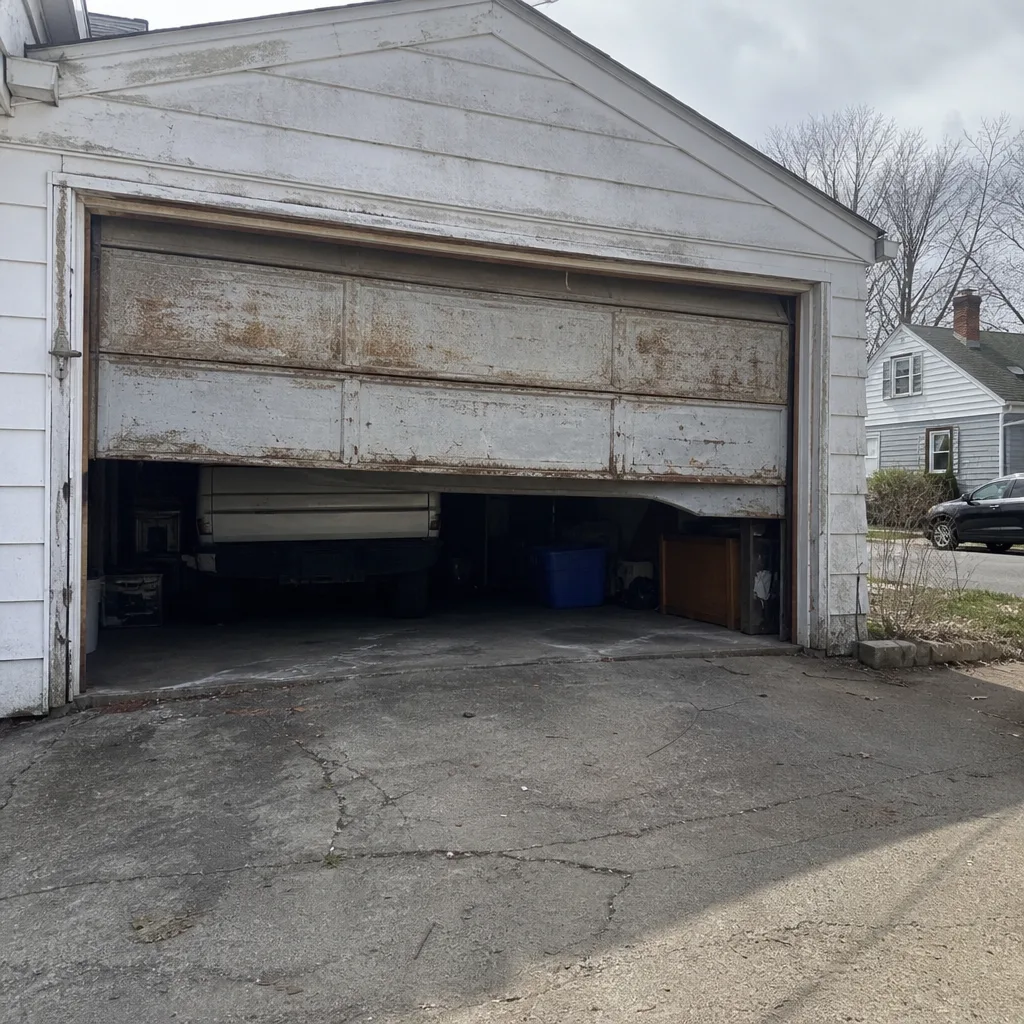 Before
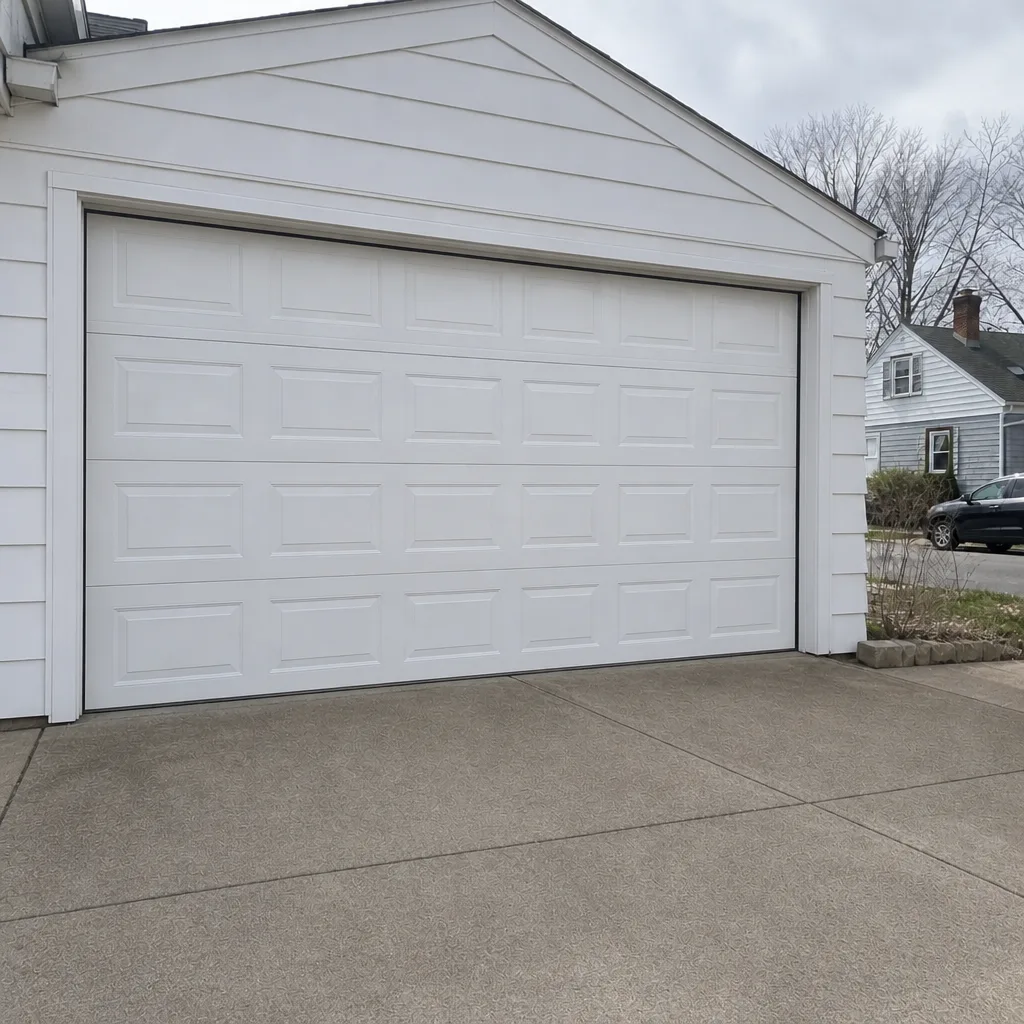 After
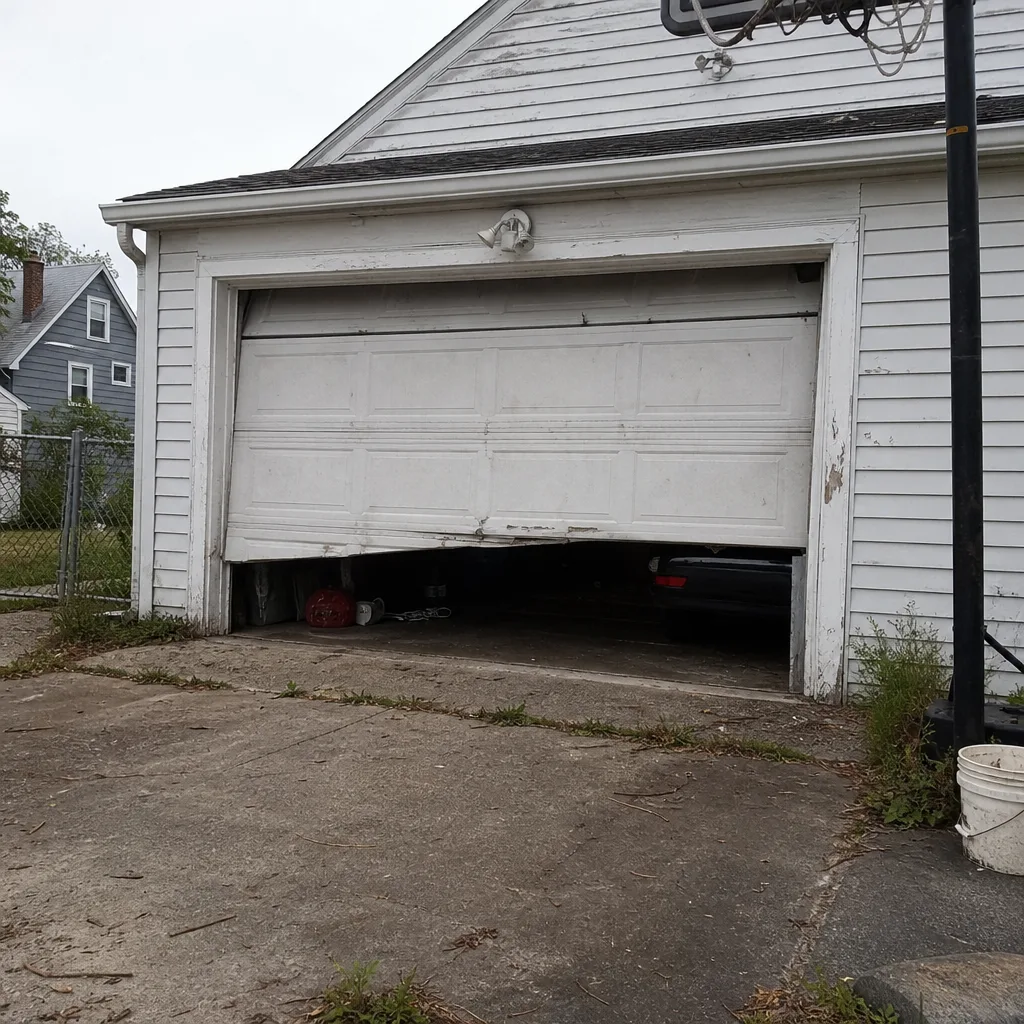 Before
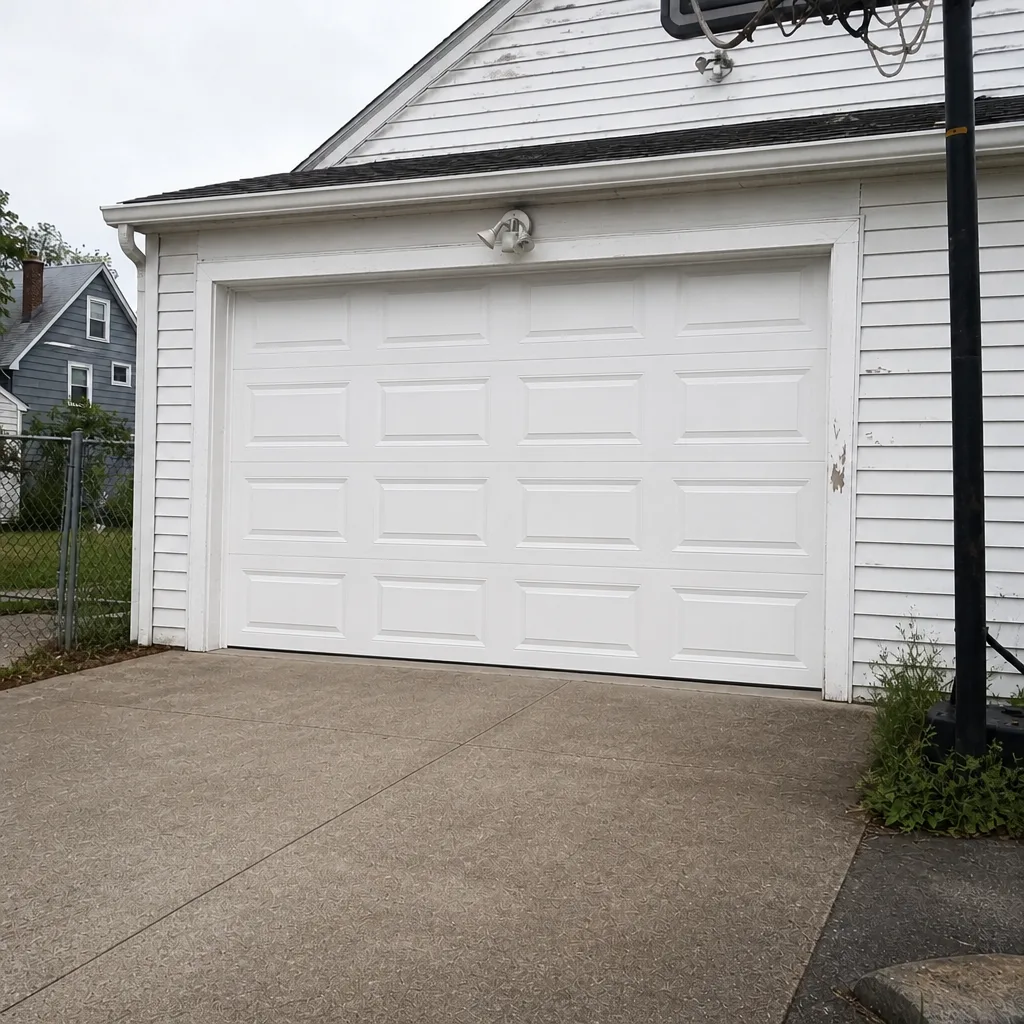 After
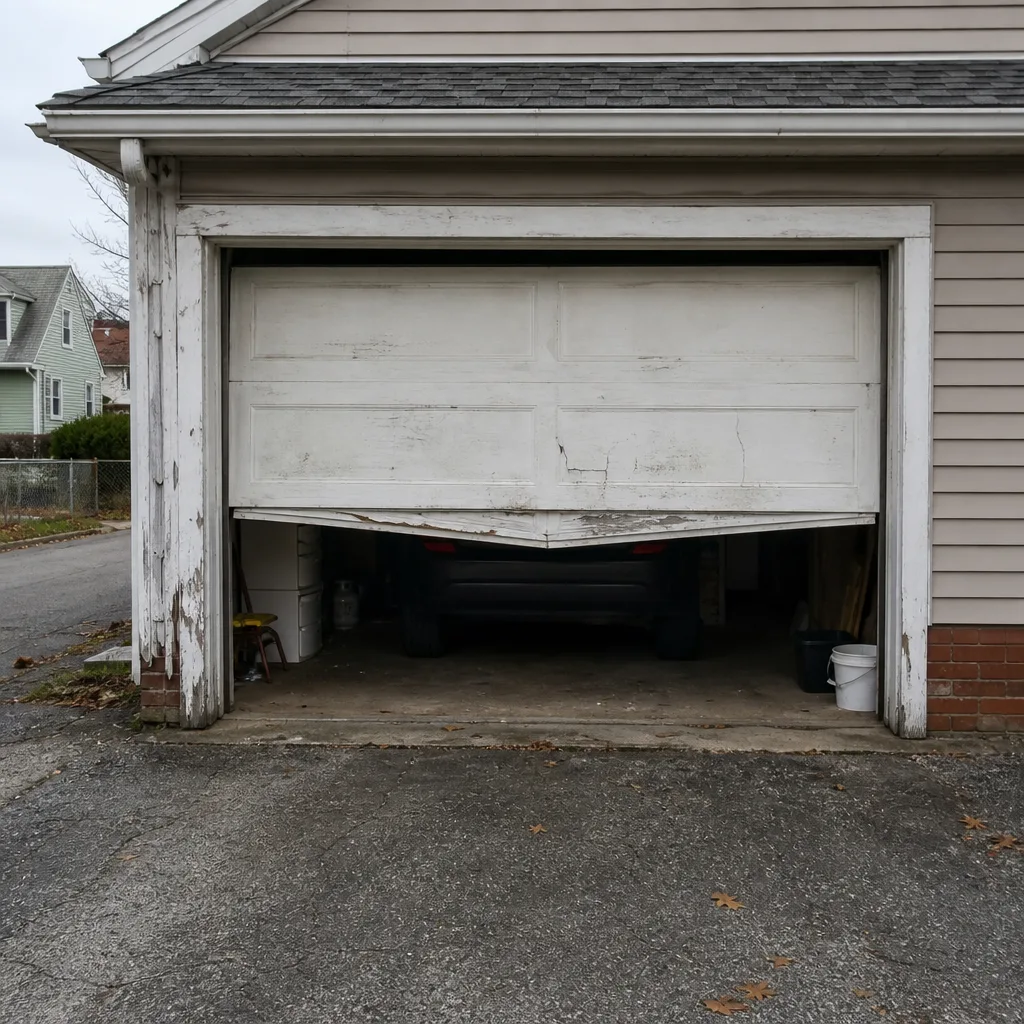 Before
 After
When to Call a Professional
Call a professional the moment you suspect a spring, cable, track, or opener motor problem – those are the components that can hurt you or damage the door further. Specific scenarios worth a call: a loud bang from the garage followed by a door that won’t lift, a cable that’s come loose or slack, a door that’s come off one track, a door stuck open during weather, an opener that smokes, grinds, or reverses every time, a garage door that’s frozen and won’t free up after a thaw, or any door that feels dangerous to lift by hand. Our technicians have up to 9 years of experience and are fluent in LiftMaster, Chamberlain, Genie, Craftsman, Clopay, Amarr, Wayne Dalton, and Raynor systems. Garage Door Repair Pawtucket offers free estimates in Pawtucket – call (855) 658-5250.
Frequently Asked Questions
Pull the manual release cord hanging from the opener trolley, then lift the door by hand. If the door is unusually heavy or drops on its own, don’t force it – that’s a sign of a spring issue. Call (855) 658-5250 if the release won’t work or the door won’t lift.
No. A broken spring means the door is carrying full weight on cables and the opener arm, and it can drop without warning. Don’t lift it, keep people clear, unplug the opener, and have a technician replace the spring. If one of a matched pair broke, both are usually replaced.
Plan on roughly $180 – $340 for one spring, and about double that for a matched pair, since both are typically replaced together. We quote the price before any work starts, so the written estimate is the number you pay. Call (855) 658-5250 for an exact quote – estimates are free.
Only if you use the manual release, or if your opener has a battery backup. Many Chamberlain and LiftMaster models include one; older Craftsman and Genie units often don’t. Test your release before storm season so you’re not learning it in the dark.
Disengage the opener at the manual release, lower the door by hand, then lock it closed with a slide bolt or wedge it from inside. Unplug the opener so it can’t cycle. If the door is jammed in the track, stop forcing it and call for same-day service.
Not always. If the door is merely frozen to the floor, clear the ice with a plastic scraper and free it. If it still binds in the track after thawing, or the opener strained while the door was stuck, have it checked before the next freeze. Call (855) 658-5250 for a free estimate.
The Bottom Line
Pawtucket garage door emergencies follow patterns – nor’easter outages, January freezes, mid-week spring failures – and every one is easier if you’ve prepared. Know where your manual release is, test it before storm season, keep people clear of a door with a snapped spring or cable, and treat a door stuck open during weather as same-day service. The rest – a stiff bottom seal, a remote that won’t respond, a door that reverses – usually waits for a scheduled appointment. Our technicians have up to 9 years of experience on the brands your door uses. Call (855) 658-5250 for a free estimate and get ahead of the next emergency.
Written by the team at Garage Door Repair Pawtucket.