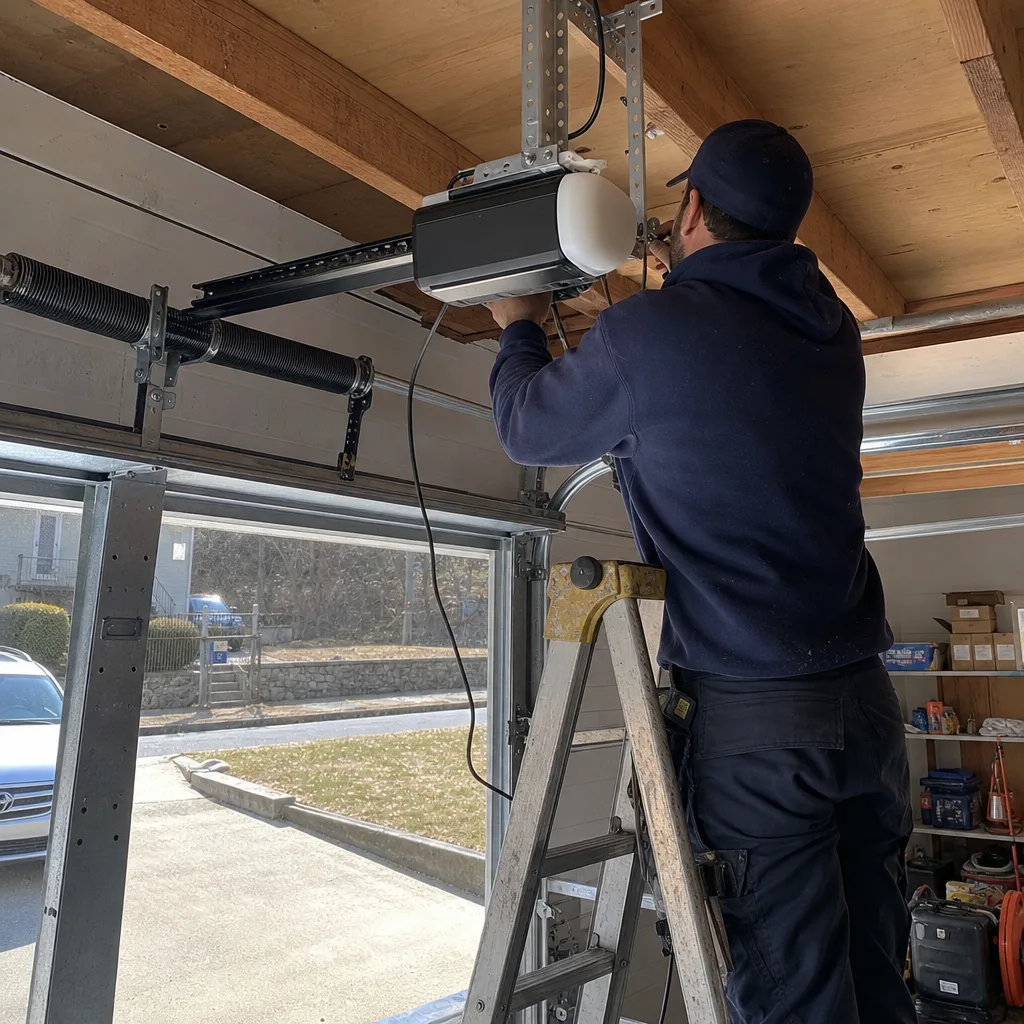
Last updated November 23, 2026
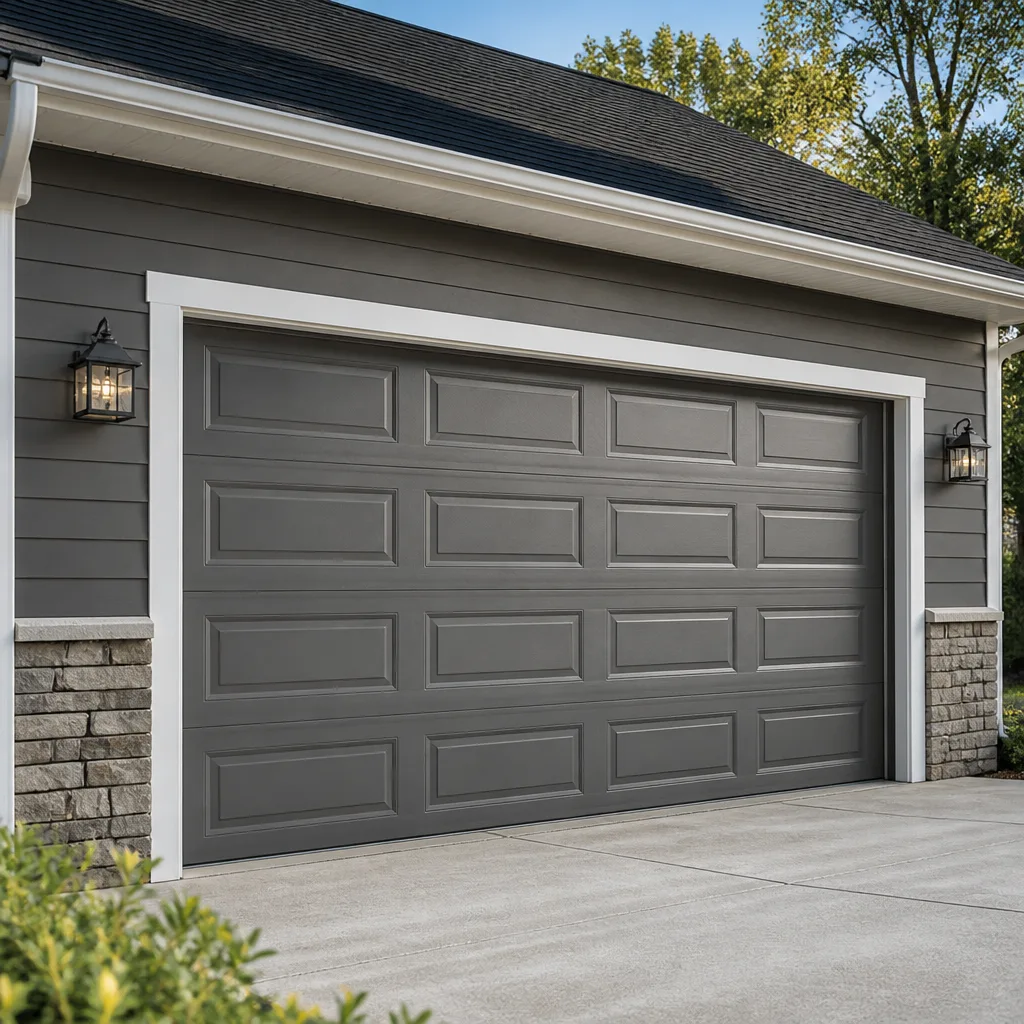 Raised-panel steel
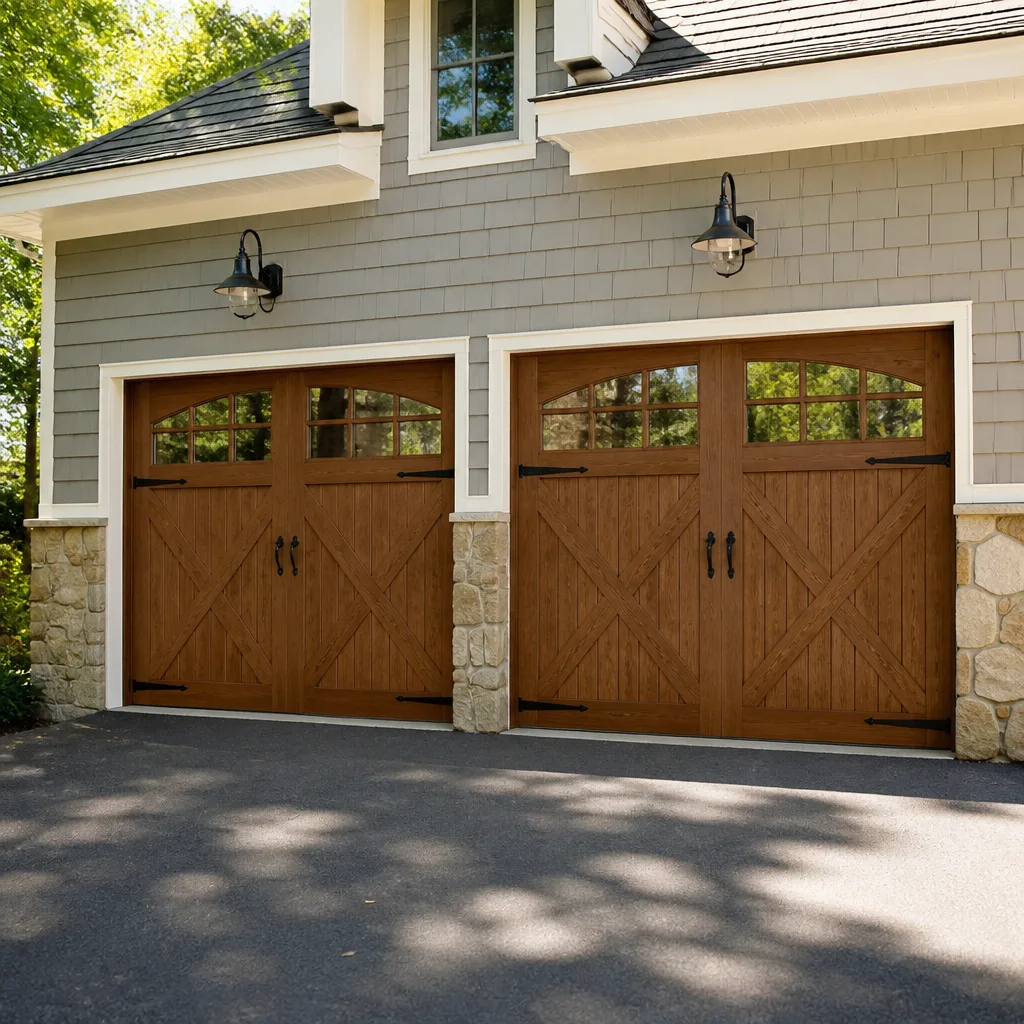 Carriage house
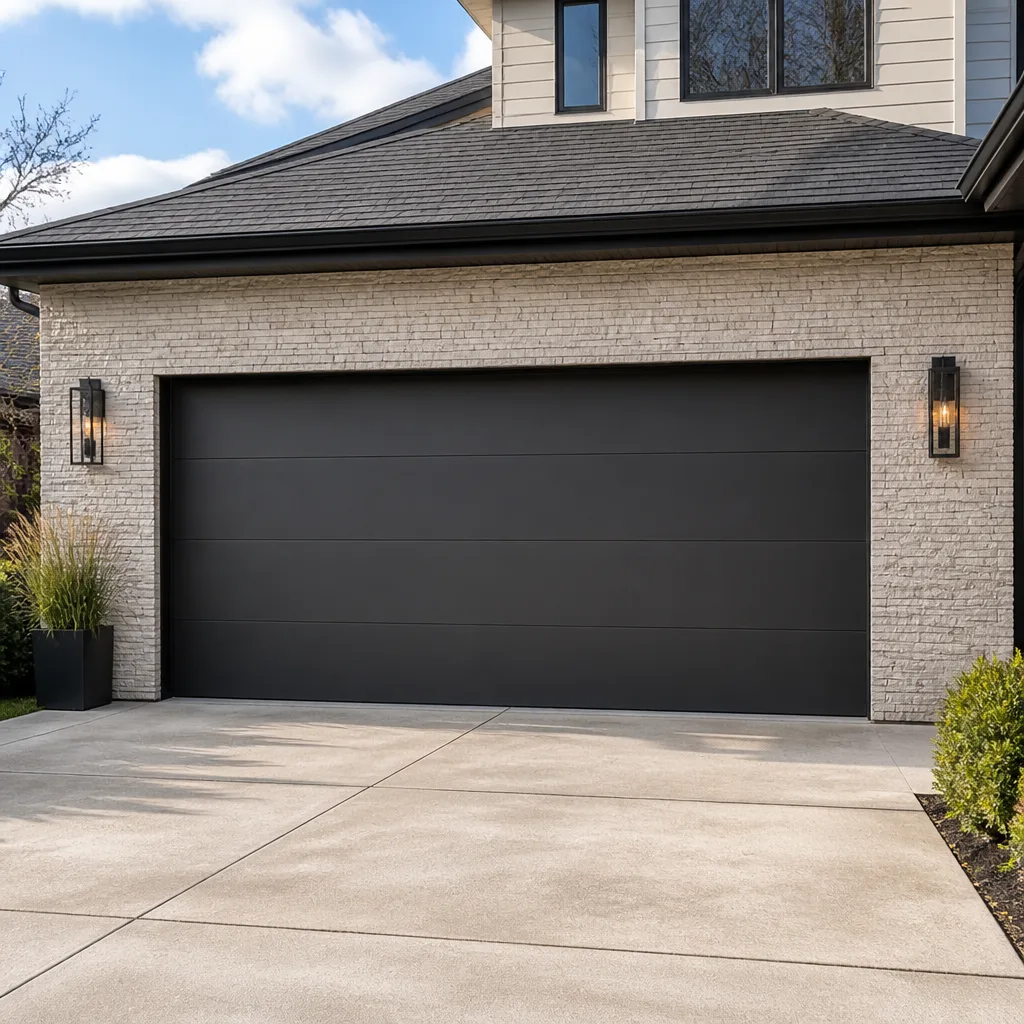 Modern flush
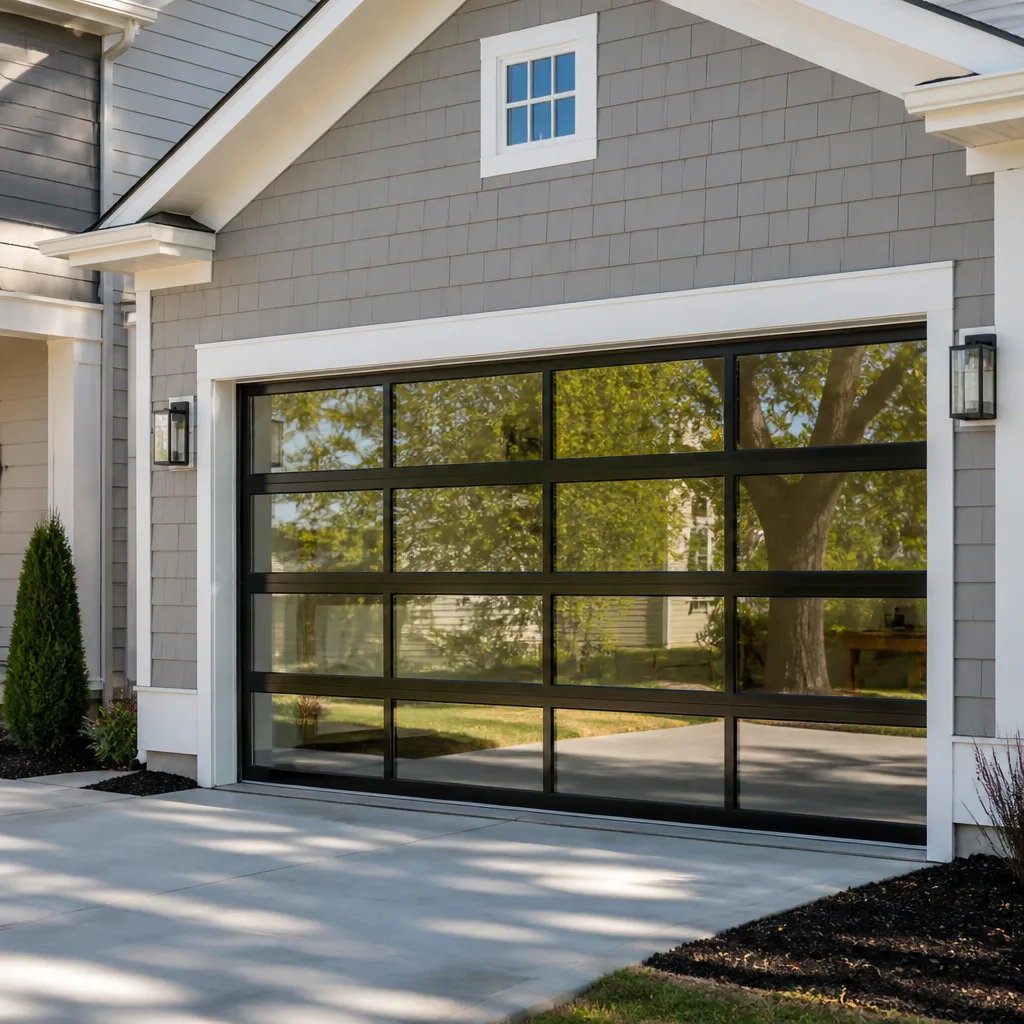 Full-view glass
 LiftMaster openers
 Chamberlain openers
Full 25-point door and opener safety check with every visit - springs, cables, rollers, tracks, and your LiftMaster or Chamberlain opener included
You get a price before we start. It does not change when the pro arrives.
Get your free estimateGarage Door Permits, Codes & Inspections in Pawtucket, RI: What You Need to Know
Most homeowners treat a garage door swap like replacing a faucet. Buy the door, book the installer, done. But in Pawtucket, a garage door replacement can cross a line into permitted work, and the paper trail you skip today can come back years later when you sell. If a buyer’s inspector flags an unpermitted alteration, you can end up spending more untangling it than the permit would ever have cost. This guide lays out when a Pawtucket garage door project needs a permit, what a local inspection actually checks, how Rhode Island’s wind load rules affect door selection, and how to retroactively permit work that was done without one. We’ll keep it practical: what triggers the threshold, what causes a fail, and where a specialist fits in.
Quick Answer
In Pawtucket, replacing a garage door with a like-for-like unit usually does not require a building permit, but changing the opening size, altering the framing or header, adding a new opening, or installing a door that changes the structural load path typically does. Because permit thresholds depend on how your project is classified and Rhode Island applies wind-load design requirements to garage doors, the only reliable answer comes from the city’s building department. Confirm before you order, and keep the paperwork.
Styles & brands we work with
- Raised-panel steel
- Carriage house
- Modern flush
- Full-view glass
- LiftMaster openers
- Chamberlain openers
Table of Contents
- When Does a Garage Door Replacement Need a Permit in Pawtucket?
- What Rhode Island’s Wind Load Rules Mean for Your Door
- What a Pawtucket Building Inspection Actually Checks
- How Unpermitted Garage Door Work Shows Up in a Home Sale
- How to Retroactively Permit Work Without One
- How to Choose a Door That Passes the First Time
- Where a Garage Door Specialist Fits In
When Does a Garage Door Replacement Need a Permit in Pawtucket?
The dividing line is structural versus cosmetic. A straight replacement swaps one door for another in the same opening, same size, same track configuration, using the existing framing. That’s maintenance, and in most Rhode Island jurisdictions it doesn’t trigger a building permit. A structural alteration changes the opening itself: widening or heightening it, cutting a new opening where there wasn’t one, replacing a header beam, modifying the framing that carries the door’s weight, or converting a manual door location into something the original structure wasn’t designed for.
Here’s the practical threshold list we walk homeowners through:
- Like-for-like replacement: same width, same height, same mounting. Usually no permit.
- Different door type in the same opening: sectional to roll-up, or manual to a torsion system. Depends on the classification; ask the city.
- Opening size change: almost always a structural alteration and a permit.
- New opening in a wall: structural and a permit.
- Header or framing repair: structural and a permit.
- Adding a garage where none exists: full structural permit territory.
Pawtucket’s housing stock includes a lot of older homes with original or long-ago-modified garage openings, and what’s actually behind the drywall or brick isn’t always what the last owner said it was. If the existing opening is out of square or the header is undersized for the door you want, you’re no longer in cosmetic territory. That’s the moment to slow down and call the building department before ordering. The classification drives everything, and it’s specific to your address.
What Rhode Island’s Wind Load Rules Mean for Your Door
Garage doors are the largest moving surface on a house, and in Rhode Island they’re treated as a component that must resist wind pressure in a way a front door or window is. The state’s building code draws on the broader model codes in use nationally, which assign design wind pressures based on a structure’s location and exposure. For any home in a wind-exposed area, the door you buy needs a published design pressure rating that meets what the code requires for that structure. That rating isn’t printed on the box at a home center. It comes from the manufacturer’s engineering documents, and it’s tied to a specific model, size, and reinforcement option.
This matters for three reasons:
- Door selection changes with it. A lighter-duty door with a lower rating may be fine for a sheltered interior lot but wrong for an exposed one. The rating is part of the specification, not an afterthought.
- Reinforcement matters. Wind-rated doors typically use heavier struts, deeper sections, or specific hardware to hold the rating. Swap a rated door for an unrated one and you’ve downgraded the structure.
- Inspection looks for it. If a permit is pulled and wind resistance is part of the scope, the inspector needs to see documentation of what was installed. No paperwork, no sign-off.
We’ve watched homeowners buy a beautifully finished sectional from a national brand and discover at inspection that they’ve installed a door with the wrong published rating for their exposure. That’s a replace-it-and-redo-it problem. Confirm the rating before you commit, and keep the spec sheet with your other home documents. If you’re not sure how the structure was originally designed, a garage door specialist can point you toward the right specification, and our garage door repair team handles replacement work regularly across the region.
What a Pawtucket Building Inspection Actually Checks
A garage door inspection isn’t a beauty test. It’s a safety and structural verification. When a permit is required and the inspection is scheduled, the inspector is generally looking at whether the installation matches what was approved and whether the safety systems work. Here’s the checklist, in the order it usually gets walked:
- The opening and framing. Was the opening changed to the dimensions on the plan, and is the header and framing built to carry the load?
- The door and hardware specification. Does the installed unit match the manufacturer’s documentation, including the wind rating if wind was in scope? Are springs, cables, and tracks the specified type?
- Attachment and anchoring. Are the tracks secured to the structure with appropriate fasteners, and are the brackets firmly attached?
- Safety devices. On an automatic opener, the photo-eye safety sensor must reverse the door when the beam is broken, and the door must reverse on contact with an object placed under it.
- Balance and operation. The door should stay at any position when released manually. A door that runs away or needs force to move is a fail.
- Electrical work. If a new opener circuit or wiring was part of the scope, that’s inspected to code.
What causes a fail in practice? A door that binds, sensors mounted too high or aimed wrong, an opener that doesn’t reverse on contact, and missing documentation on the installed model. Older Pawtucket garages with sagging framing or out-of-square openings are especially prone to binding, and a binding door fails the balance test even when everything electrical is fine. The fix usually isn’t exotic. It’s adjusting the track, the springs, or the opener limits. Getting it right the first time means having a specialist set it up correctly before the inspection, not after.
How Unpermitted Garage Door Work Shows Up in a Home Sale
Here’s the part that catches sellers off guard. Unpermitted garage door work doesn’t stay hidden. It surfaces during the buyer’s inspection and, in some cases, during the title search. The three most common ways it shows up:
- Missing permit on record. A buyer’s agent or title company can compare the property’s permit history against visible improvements. If a door replacement or opening change is clearly newer than the records suggest, the question gets asked.
- Inspection findings. A home inspector evaluating the door will flag safety issues, mismatched hardware, non-rated doors in wind-exposed situations, and any evidence that the opening framing was modified.
- Insurance questions. Some carriers ask about permitted improvements when underwriting. An unpermitted structural change can raise questions about what they’re actually insuring.
The consequence isn’t always catastrophic, but it can complicate a closing. Buyers ask for a credit, ask the seller to permit it retroactively, or walk away. Any of those turns into time, money, and stress at the worst possible moment. Walking into that conversation with a permit and a final inspection sign-off is a totally different experience than scrambling to explain an unpermitted modification a week before closing. If you’re doing a Pawtucket garage door project, get the classification confirmed before you start, and keep the paperwork with your closing documents.
How to Retroactively Permit Work Without One
It’s a common situation: the door was replaced years ago without a permit, or an opening was modified, and now the homeowner needs it addressed. Rhode Island cities generally allow retroactive permitting, though the process is more involved than pulling a permit before work starts. The general sequence looks like this:
- Check the permit history first. Call the city’s building department and ask what’s on file for your address. Sometimes the work was permitted and the records are just not in your file. Get a copy.
- Describe what was done and when. The building department needs to know the scope of the unpermitted work. Bring photos, any receipts, and manufacturer documentation if you have it.
- Submit a permit application for the completed work. The application describes what was actually done. Expect the review to focus on structural safety and code compliance.
- Schedule an inspection. The inspector verifies that the work as completed meets code. If something fails, you get a correction notice with specific items to fix.
- Complete corrections and re-inspect. Once the corrections are done and re-inspected, the permit closes and you have a sign-off for your records.
Timelines vary with the city’s current review load and the scope of what was done. Some corrections are quick (sensor adjustment, door balance); some require replacing a door or reinforcing framing. We’ve helped homeowners prepare for retroactive permits by documenting what’s installed and understanding what the inspector will be looking for. The cost varies by scope, but the permit fee itself is the small part of the picture. The real value is a clean, sale-ready record. If the door needs to be brought back into compliance, our garage door spring repair and adjustment work is where a good specialist earns their keep.
How to Choose a Door That Passes the First Time
The single biggest prevention step is buying a door that’s specified for your house, not just one that looks right in the showroom. A door that passes inspection is one where the published specs, the structural opening, and the wind requirement all line up before the installer’s van pulls into your driveway. Here’s how to choose:
- Match the opening, not just the width. Measure the actual opening and the wall above it. Verify the header is deep enough for the door and the track. If it’s not, that’s not a “we’ll figure it out” situation; that’s a structural conversation.
- Get the published design pressure. Ask the manufacturer or installer for the document showing the door’s wind rating for your specific size and reinforcement. Keep it.
- Choose a system with parts available. Doors from brands like Clopay, Amarr, Wayne Dalton, and Raynor vary in how long parts stay stocked and how well the hardware holds up. It matters when you need a track section or a hinge in year seven.
- If you’re pairing with an opener, spec it together. A door and its opener should be sized to each other. LiftMaster and Chamberlain are common residential systems in Pawtucket, and both are pickier about door weight than older mechanical openers.
- Hire the installation with the spec. A door installed correctly is much less likely to fail inspection. Our technicians have up to 9 years of experience with these systems.
A door that’s right for the house also tends to be right for the inspection. If you’re ever uncertain whether the opening can accept the door you want, that’s a question worth asking before you place an order, not after the delivery truck is on its way.
Do I Need a Permit to Replace a Garage Door Opener in Pawtucket?
Replacing a garage door opener with a same-basic-type unit in the same location generally does not require a building permit, but any new electrical wiring or a new circuit typically does. The safety devices on the opener are the part that matters most, and the installation needs to comply with the requirements for reversing mechanisms and photo-eyes regardless of whether a permit is pulled. If you’re upgrading from a legacy opener to a modern system like LiftMaster or Chamberlain with smart-home features, the wiring and setup are the pieces to verify with the city if there’s any doubt.
When we work on garage door opener repair, we always confirm the safety devices are operating before we leave. That’s the standard the inspection will hold you to.
Where a Garage Door Specialist Fits In
Some of this guide is paperwork, and some of it is the actual physical work that has to be right for the paperwork to pass. The permit threshold is a structural question for the city. The installation is a technical question for whoever is doing it. These aren’t the same thing, and a generalist who “also does doors” often gets the first part right and the second part wrong. A specialist gets both parts right because they deal with the same systems and the same inspection expectations every week.
That matters in three specific places:
- Installation quality. A door that’s balanced, tracks clean, and hits its safety reverse points will pass. A door that binds or has sensors aimed wrong won’t. That’s not paperwork, that’s skill.
- Specification. Knowing which door specifications fit a given opening and wind exposure is a door-specific skill. Clopay sizes vary subtly from other brands, and reinforcing profiles differ by manufacturer.
- Documentation. A specialist supplies the spec sheets, the door model, and the installation details to the inspector in the form the inspector expects. That shortens the sign-off process.
We work on the major residential brands installed in Pawtucket, including Clopay, Amarr, Wayne Dalton, Raynor, LiftMaster, Chamberlain, Genie, and Craftsman. That range is why we can talk you through what’s already on your door and what a replacement needs to be. The full picture of what we cover is on our Garage Door Repair Pawtucket page. When you’re dealing with the city and the hardware at the same time, it helps to have one team who knows both.
See the difference
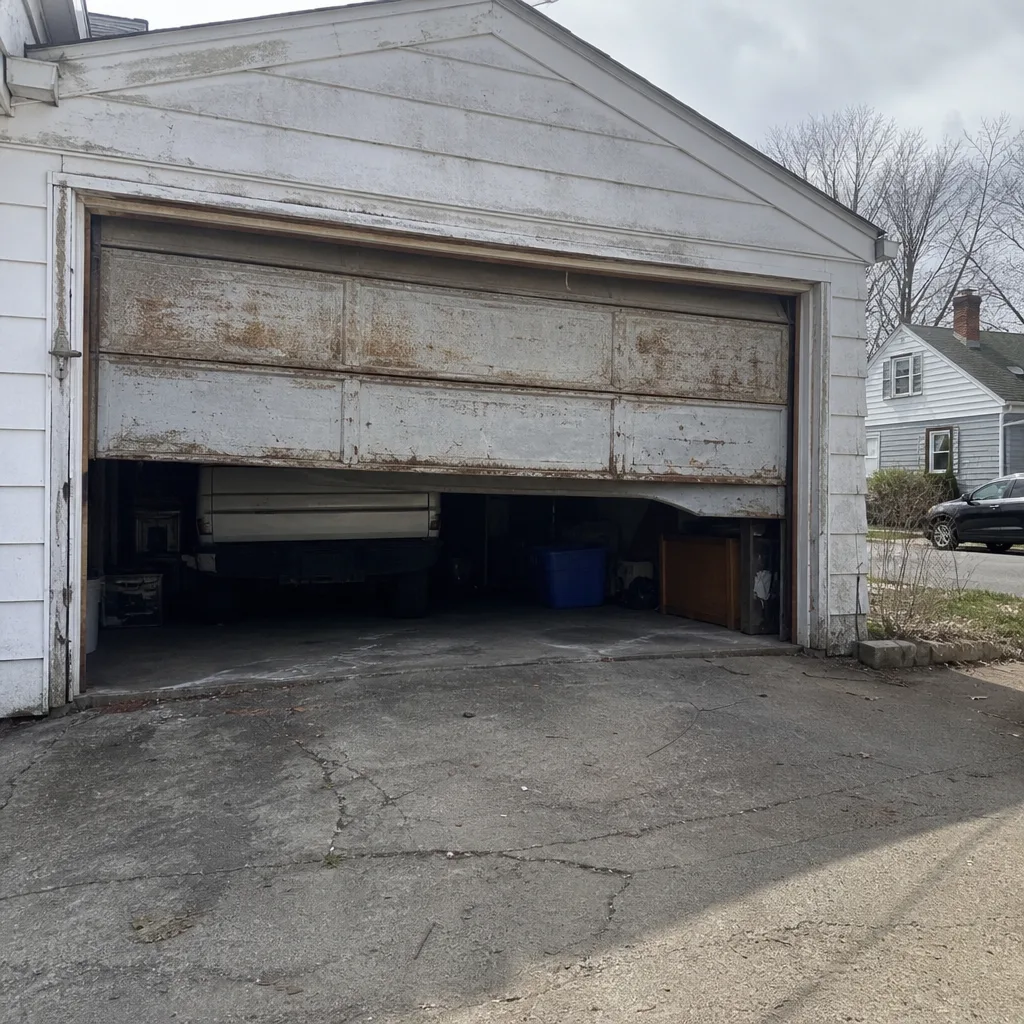 Before
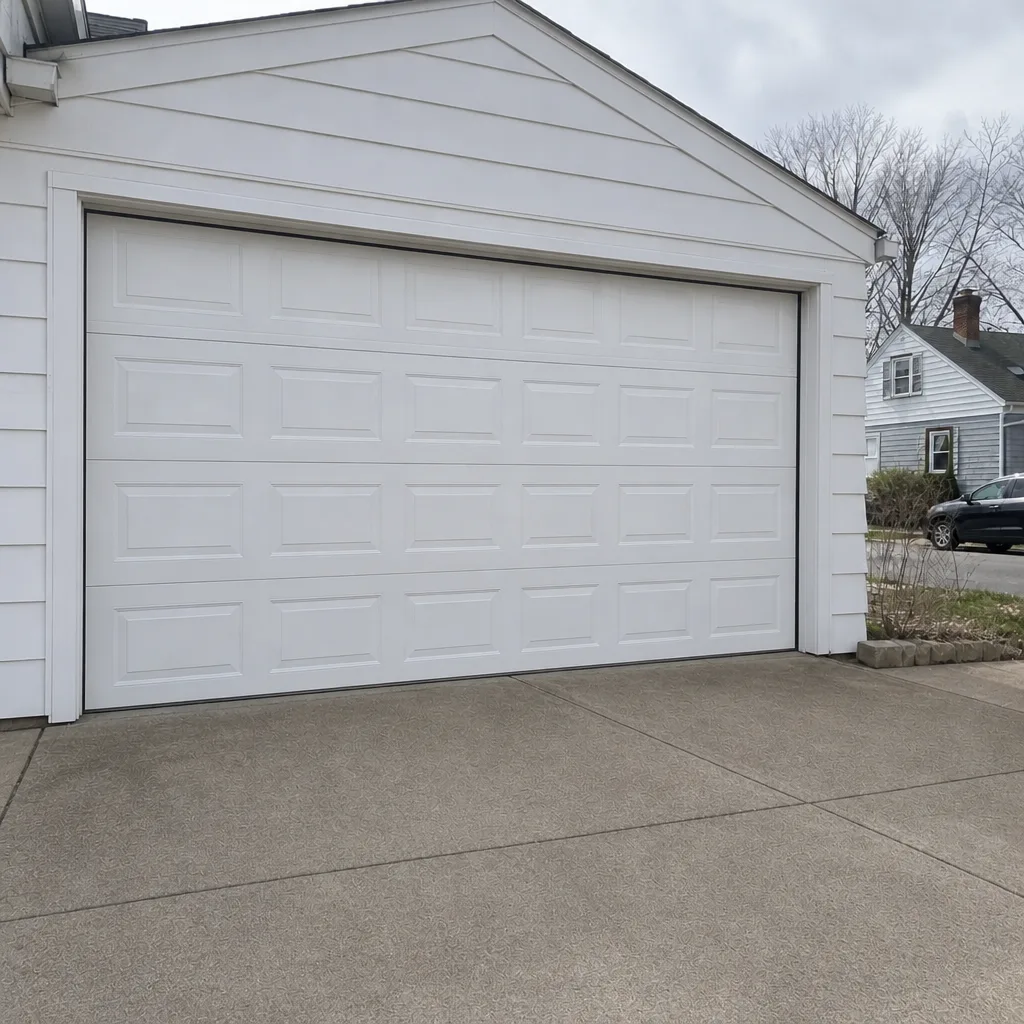 After
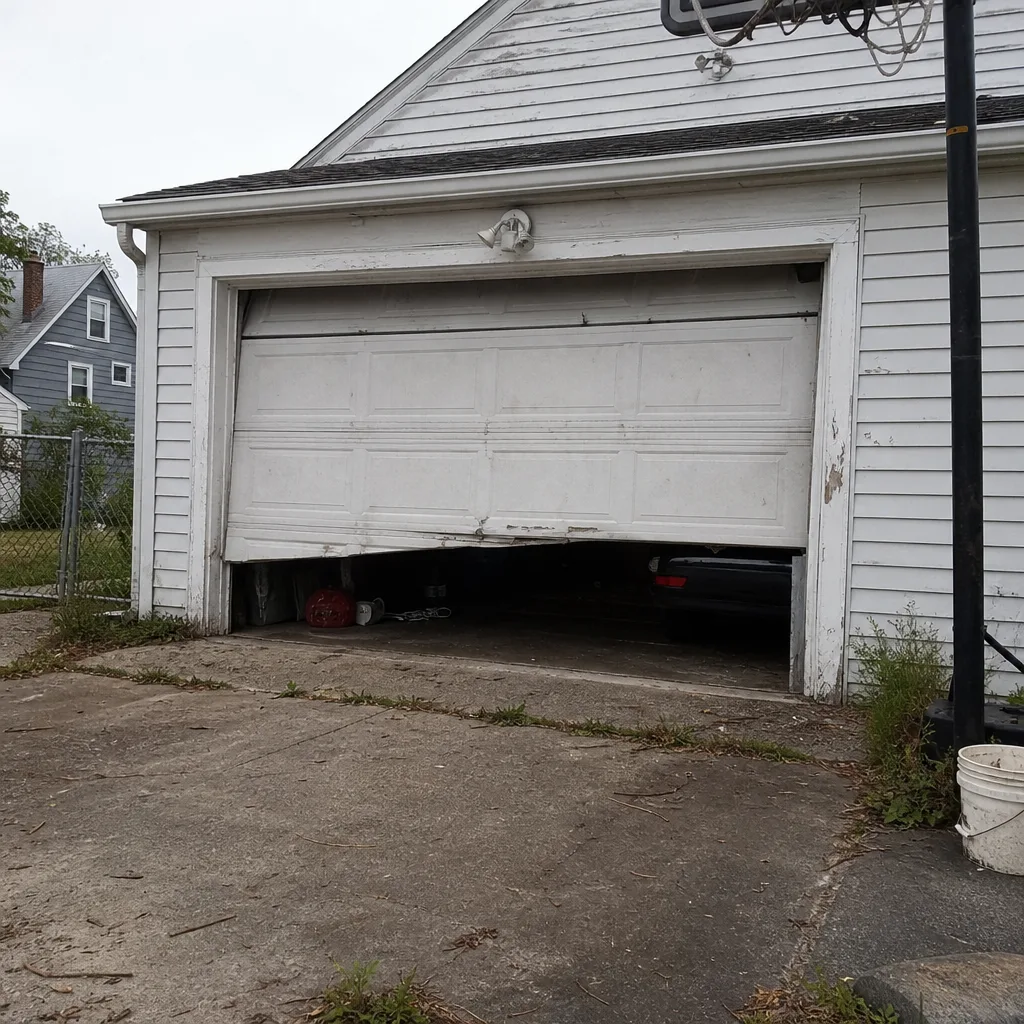 Before
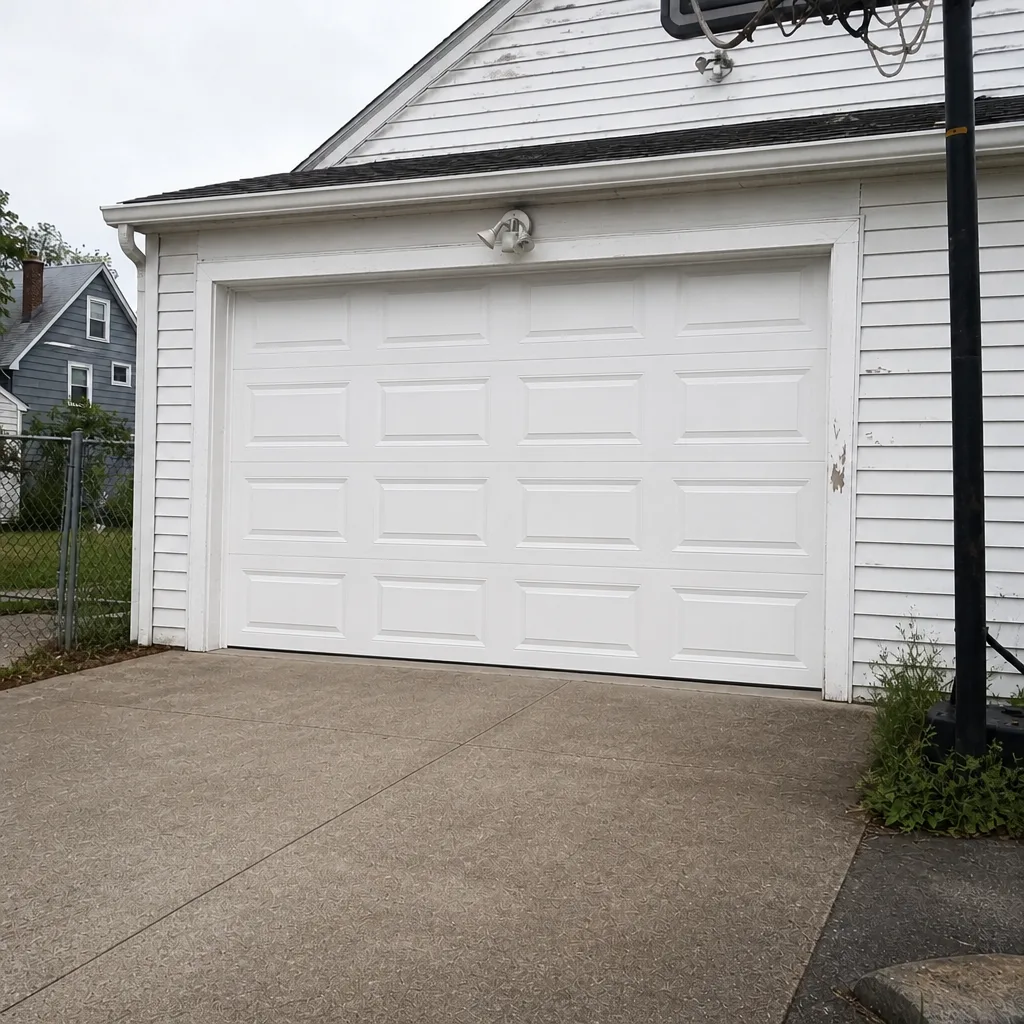 After
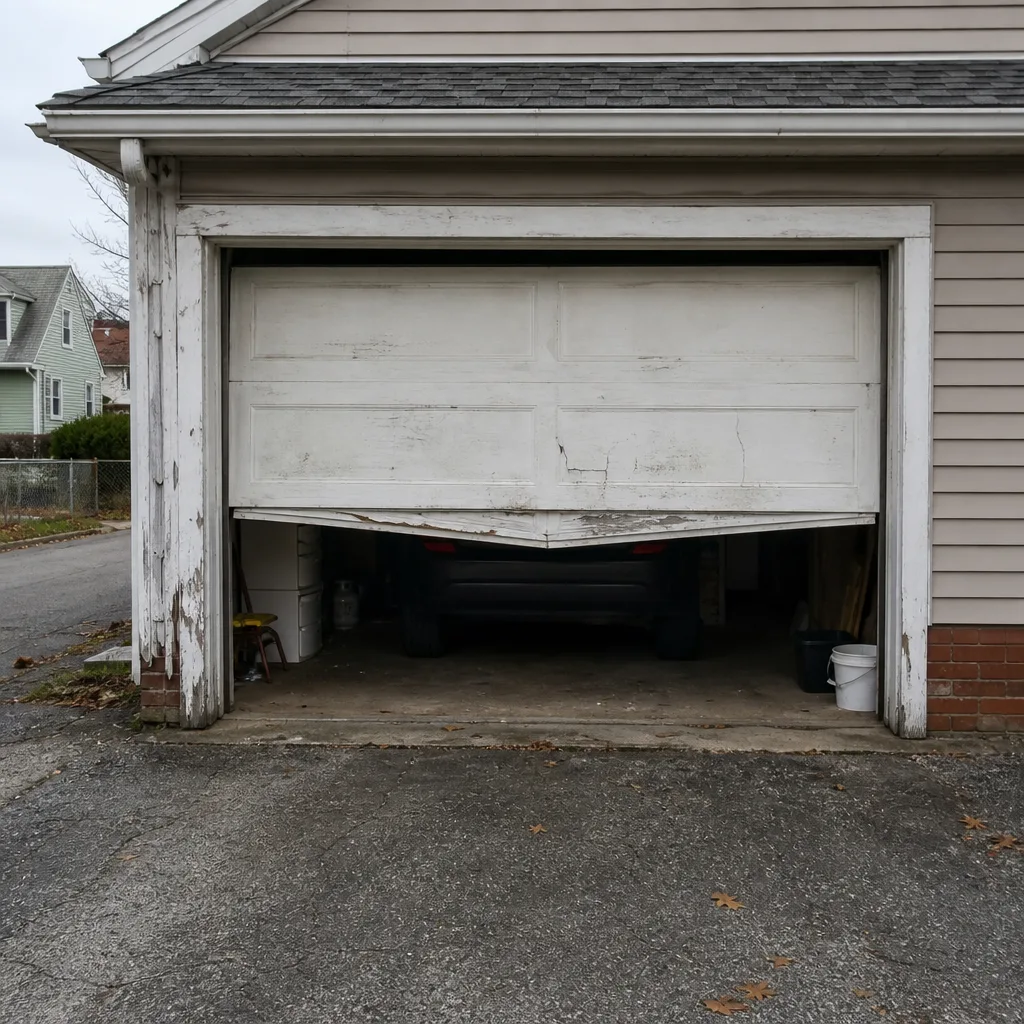 Before
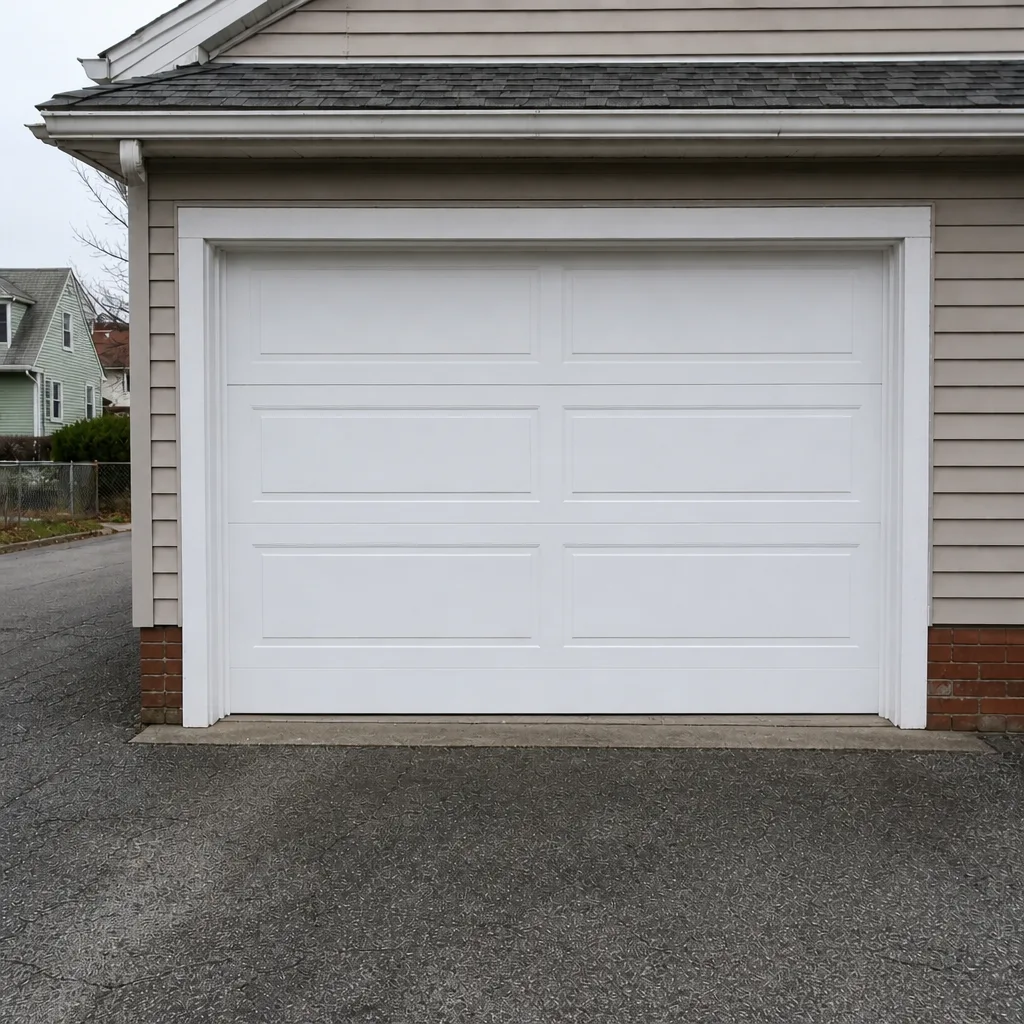 After
Common Mistakes to Avoid
- Assuming “it fits” equals “no permit.” Fit and classification are different questions. A door that slips into the existing opening can still be a structural change if the framing or header is modified. Confirm with the city before ordering.
- Ordering a door without a published wind rating. In Rhode Island’s wind-exposed areas, the rating is part of the specification. Buying on looks alone is a common fail. Get the document.
- Skipping the documentation. The inspector wants to see the installed model, the reinforcement, and the safety device operation. Keep the paperwork with your closing file. A missing spec sheet means a re-inspection.
- Letting a generalist handle the framing and the door separately. A handyman who re-frames but doesn’t set the springs, or a door tech who sets springs into a bad frame, is a split job with split accountability. One team, one responsibility.
- Waiting until the home sale is underway. If your Pawtucket home has older, undocumented garage door work, get the permit history now. Retrofitting under closing pressure costs more time than you have.
- Replacing safety sensors with cheap aftermarket parts. Photo-eyes and reversing mechanisms are inspected. Aftermarket parts that aren’t rated for your opener can fail the reverse test. Use correct parts for your brand.
- Never asking the building department. Pawtucket’s building department is the answer to “does this need a permit.” Ask them directly. It’s free and it’s faster than guessing.
When to Call a Professional
Call a professional when the project involves anything structural, when the door needs to be replaced rather than repaired, or when you’re facing an inspection and want the installation done right the first time. Springs, cables, and torsional loads carry serious injury risk, and the spring system is where we see the most dangerous DIY attempts. If a spring has snapped, don’t touch it; call someone trained to handle it. If the door is binding, off track, or won’t reverse on contact, that’s a safety issue worth a service call. And if you’re in the middle of a Pawtucket sale or a retroactive permitting situation, a specialist can document what’s installed and correct what fails. Garage Door Repair Pawtucket offers free estimates in Pawtucket. Call (855) 658-5250.
Frequently Asked Questions
Probably not if it’s a like-for-like replacement in the same opening with the existing framing and no structural changes. You likely do need a permit if the opening size changes, the framing or header is modified, or the project is otherwise a structural alteration. The only way to be sure is to call Pawtucket’s building department with your address and project scope. Call (855) 658-5250 for help reading the scope before you talk to the city.
There’s no single number; it’s based on the structure’s location and exposure under the code in use for your home. What matters is that the door you buy has a published design pressure rating that meets what the code requires for your structure, and that the installed door matches that specification. Ask the manufacturer or installer for the document. If you’re not sure which door fits, call us and we’ll walk you through it.
It checks whether the door, hardware, and framing match what was permitted; whether the tracks and brackets are properly anchored; whether the opener’s photo-eye and reverse-on-contact safety devices work; whether the door is balanced enough to stay at any position when released; and whether any electrical work complies with code. The most common fails are binding doors, misaimed sensors, and missing model documentation. Call (855) 658-5250 to schedule a pre-inspection check.
It can surface in the buyer’s inspection and sometimes in a title search, and it can complicate the closing. Buyers may ask for a credit, ask the seller to permit the work retroactively, or walk away. The fix is to get a retroactive permit and a final inspection sign-off before listing. Our team can help you document what’s installed and correct anything that would fail. Estimates are free; call (855) 658-5250.
Generally yes, though the process is more involved than pulling a permit before work starts. You’ll typically check the permit history, describe what was done, submit an application for the completed work, schedule an inspection, and complete any corrections. Timelines vary with the city’s review load and the scope of the work. Call (855) 658-5250 to talk through what corrections your door may need.
A same-type opener replacement in the same location generally does not, but any new circuit or wiring typically does. The safety devices on the opener, including the photo-eye and reverse-on-contact, must work correctly regardless of permit status. If you’re upgrading to a smart-home system like LiftMaster or Chamberlain, verify the wiring with the city. Call (855) 658-5250 if you want the safety devices checked before inspection.
The Bottom Line
The permit question comes down to one thing: is the project structural or cosmetic? Like-for-like replacement in the same opening is usually the latter. Any change to the opening, framing, or header is the former. When in doubt, call Pawtucket’s building department and ask about your address. Buy a door with a published wind rating that matches your structure, keep the documentation, and get the installation done by someone who does this work regularly. The permit fee is a small fraction of what a complicated home sale costs you later. Confirm first, document everything, and let a specialist handle the hardware.
Garage Door Repair Pawtucket handles replacement, opener service, spring repair, and emergency work across Pawtucket and the surrounding region. Our technicians have up to 9 years of experience with the major residential door and opener brands. If you’re planning a garage door project in Pawtucket and want the installation done to inspection standard, call (855) 658-5250 for a free estimate.
Written by the team at Garage Door Repair Pawtucket.