Last updated November 23, 2026
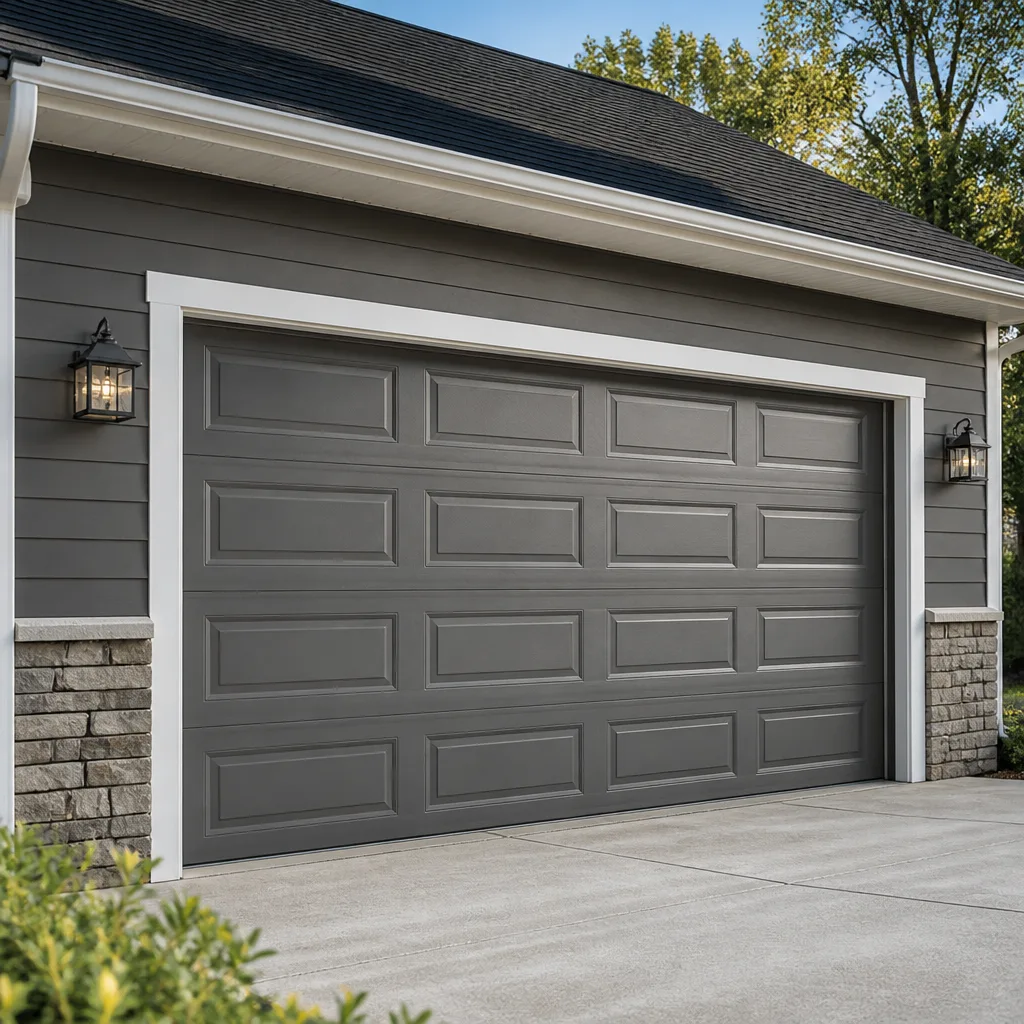 Raised-panel steel
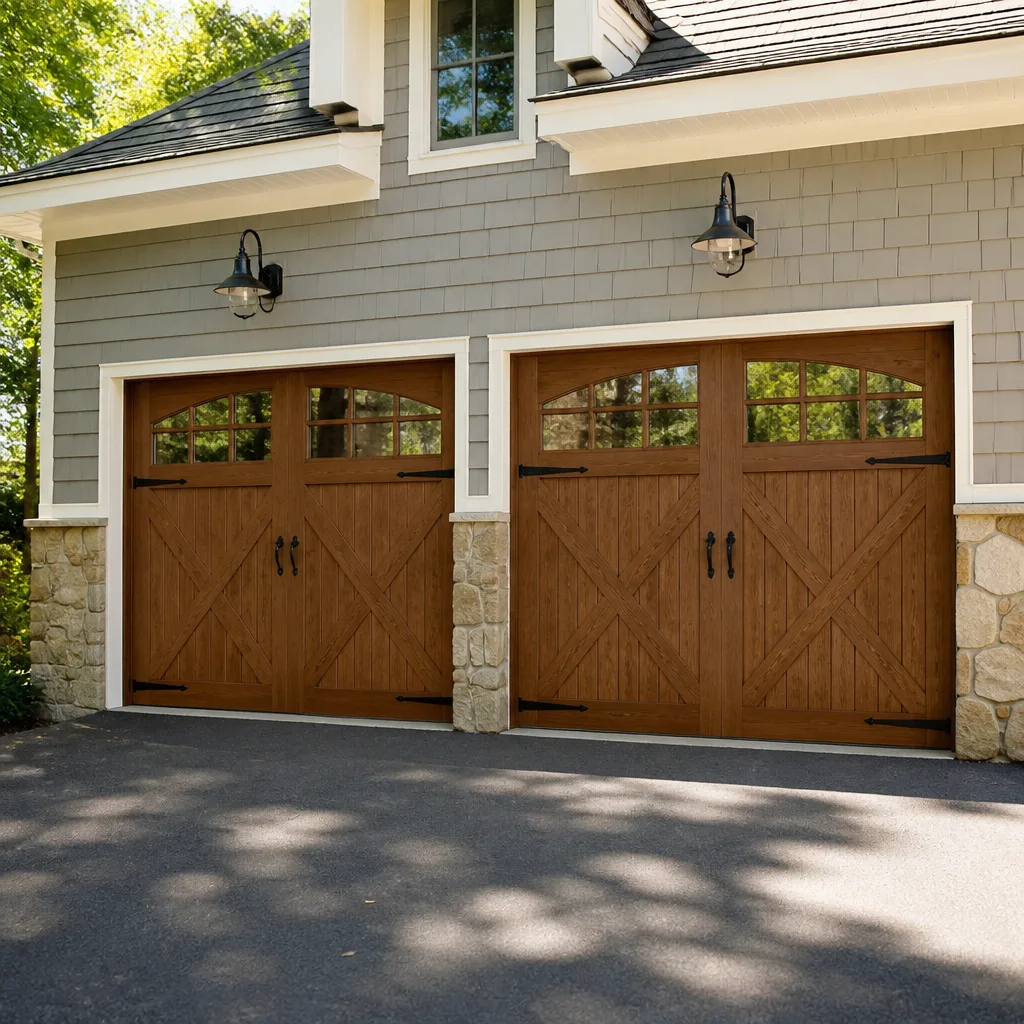 Carriage house
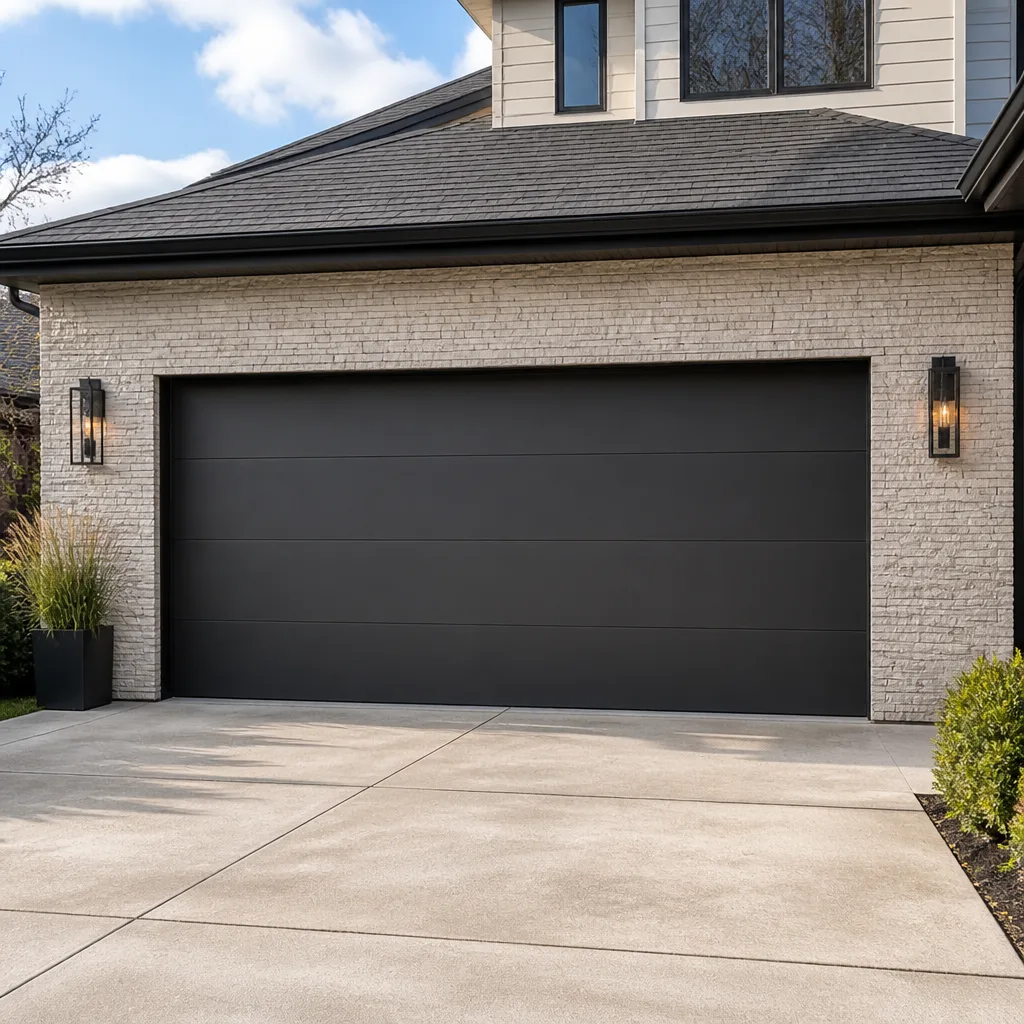 Modern flush
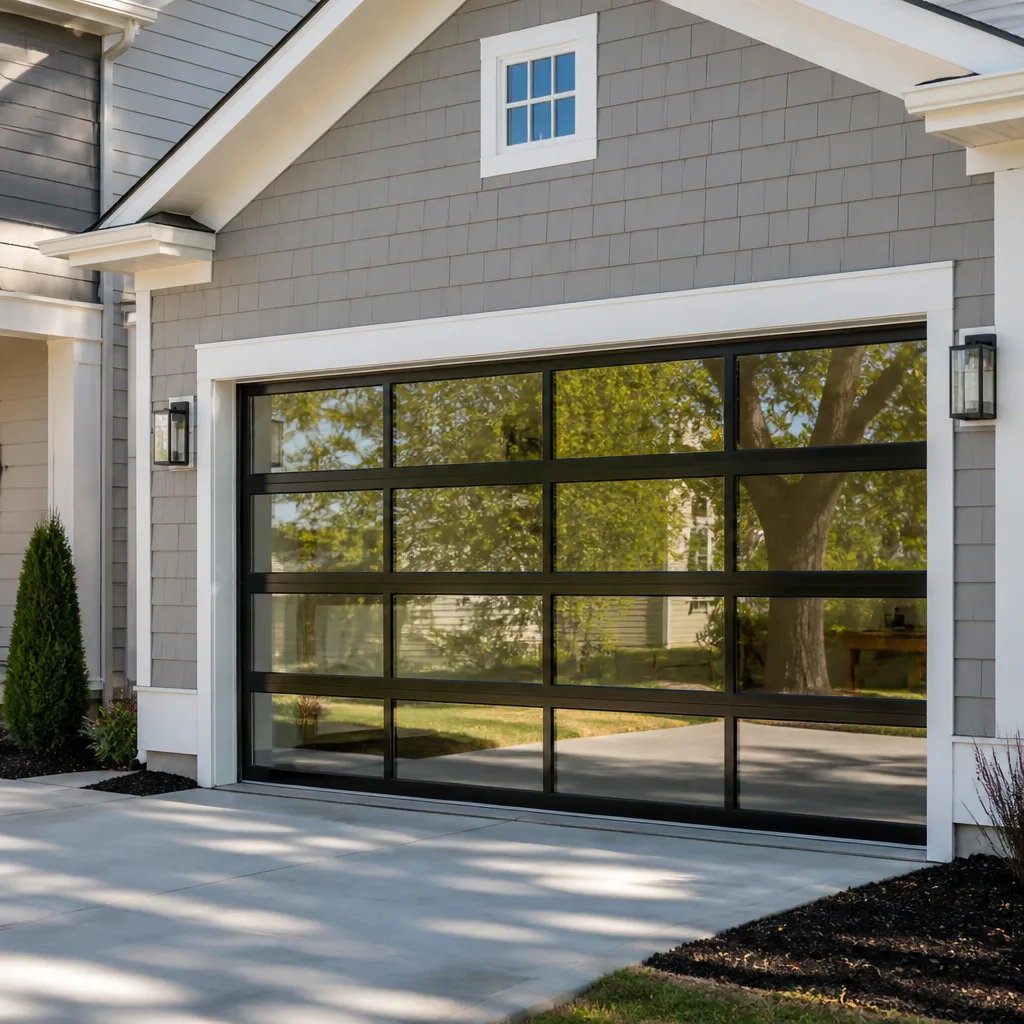 Full-view glass
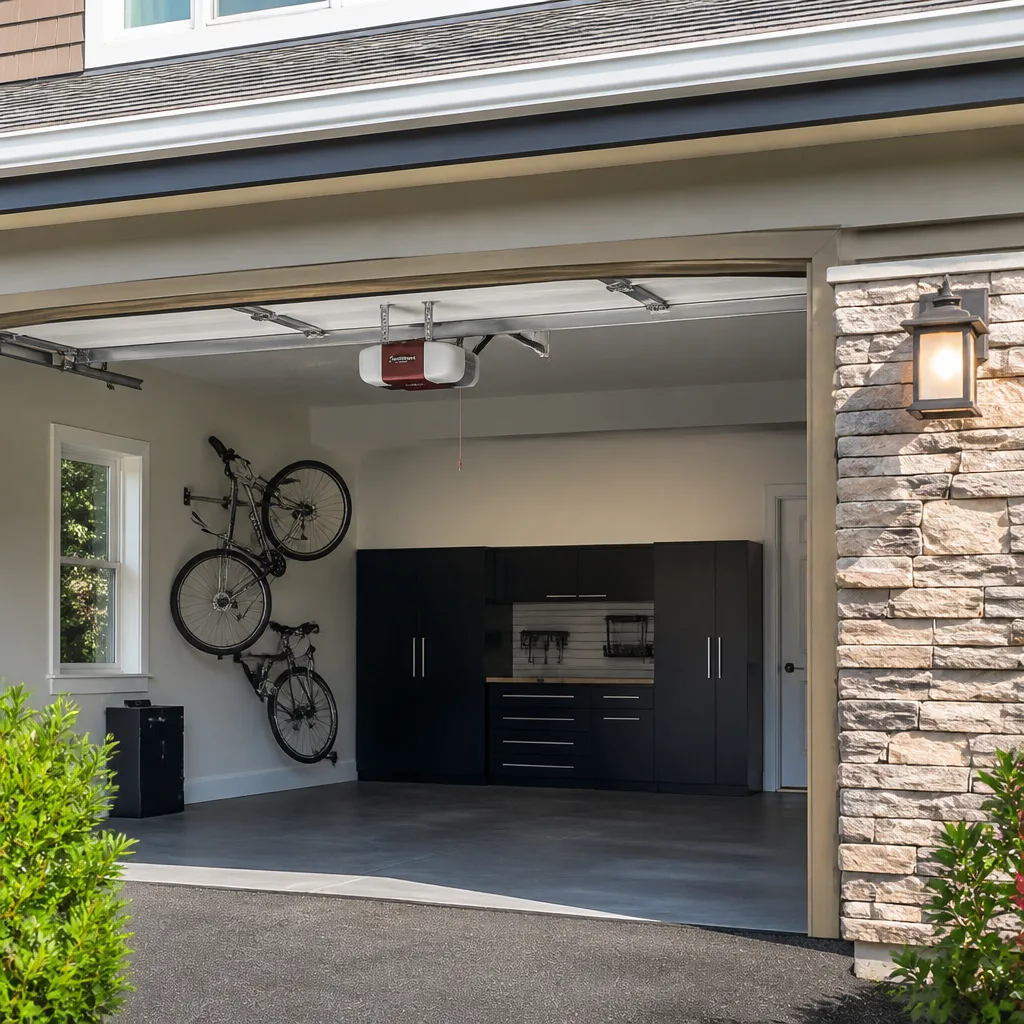 LiftMaster openers
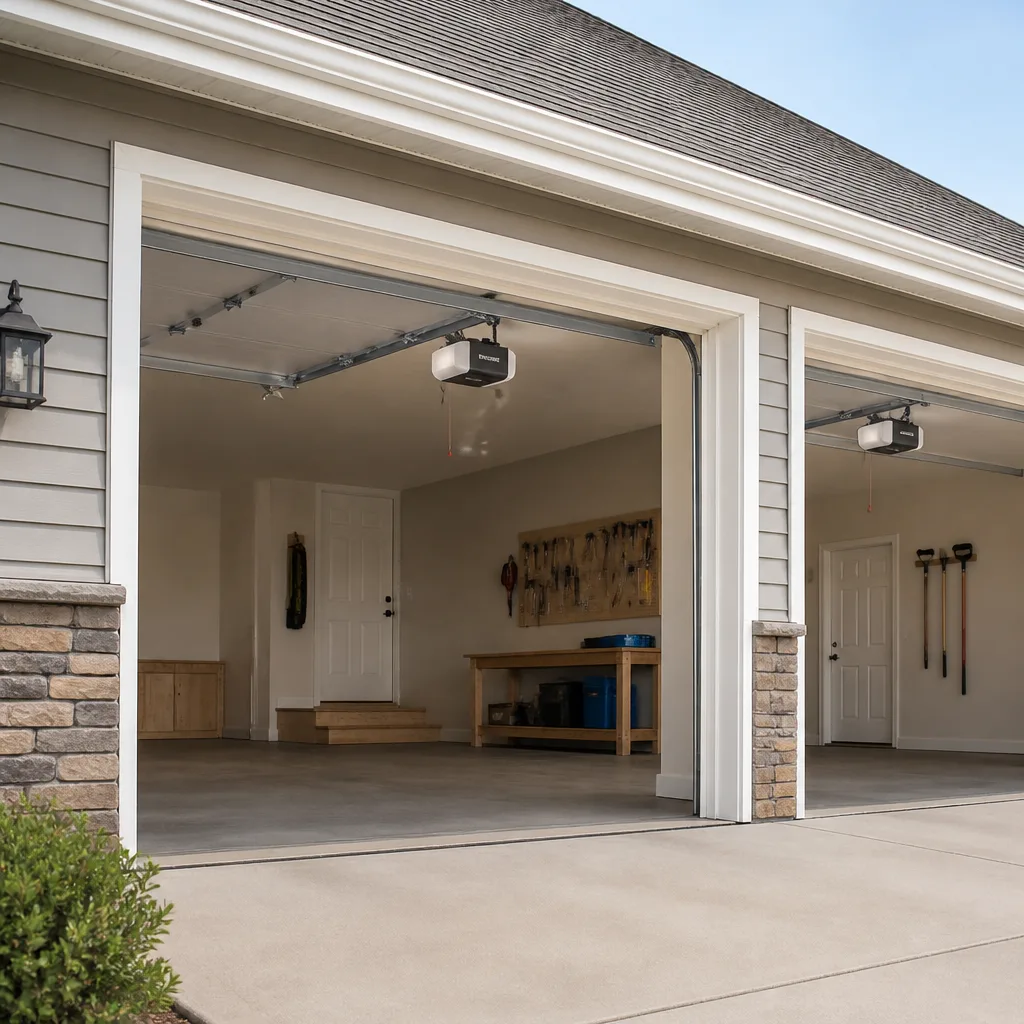 Chamberlain openers
Full 25-point door and opener safety check with every visit - springs, cables, rollers, tracks, and your LiftMaster or Chamberlain opener included
You get a price before we start. It does not change when the pro arrives.
Get your free estimateGarage Door Repair Maintenance Checklist for Pawtucket Homeowners
Most homeowners who call us in a panic didn’t skip maintenance entirely. They checked the wrong things. Three out of four emergency garage door calls trace back to a maintenance step that takes under ten minutes to do correctly, and almost none of them were on the homeowner’s radar, because the parts that fail fastest here aren’t the ones every generic checklist tells you to look at. Pawtucket’s older housing stock, its long freeze-and-thaw winters, and the sheer age of many of the door systems we see mean the wear patterns here are their own thing. This guide rebuilds the standard checklist around what actually fails in this city, tells you honestly which items are safe to handle and which look simple but aren’t, and gives you a realistic time for each so the whole thing fits in one morning.
Quick Answer
A working maintenance routine for a Pawtucket garage door means testing the balance and reversing safety features monthly, lubricating springs, hinges, and rollers every few months with the right product for each part, cleaning and inspecting the weather seal twice a year, and spotting spring wear by eye rather than by hand. The single most useful habit is checking your springs monthly for stretch, gaps, and rust without ever touching them under tension. If you find a broken spring or a door that drops fast, stop using the door and call a professional, because spring work is the one category where a ten-minute “look” can cause serious injury.
Styles & brands we work with
- Raised-panel steel
- Carriage house
- Modern flush
- Full-view glass
- LiftMaster openers
- Chamberlain openers
Table of Contents
- Why Garage Doors Fail Fast in Pawtucket
- The Monthly Five-Minute Check
- How to Test a Spring Without Touching It
- Lubricating Right: Why the Wrong Product Is Worse Than None
- Rhode Island Seasonal Maintenance: Spring and Fall
- Opener and Safety Feature Checks
- DIY-Safe vs. Pro-Only: The Line You Don’t Cross
- A Realistic One-Morning Schedule
Why Garage Doors Fail Fast in Pawtucket
Pawtucket sits in a climate that’s hard on garage doors in a specific way. The temperature swings from deep winter freezes to humid summer days means metal expands and contracts repeatedly over a single year. Springs, hinges, and tracks go through thousands of small stress cycles they’d never see in a milder region. Older homes around the city, many with garages built decades ago, often still run the original hardware, so that stress lands on parts that are already worn.
The components that fail fastest here aren’t what most people expect. In our experience, these top the list:
- Torsion springs – the constant flexing from freeze-and-thaw cycles shortens their working life faster than in warmer parts of the country.
- Hinges and roller brackets – moisture from rain and snowmelt works into these joints and starts corrosion at the pivot points.
- Bottom weather seals – freeze to the concrete floor, then tear when the door opens, especially after a wet cold snap.
- Opener gears and drive belts – cold stiffens the door mechanism, so the opener works harder in January than it does in July.
What’s interesting is what doesn’t top this list. The door panel itself is rarely the first to go. Neither is the track. Those tend to fail as a consequence of the other parts wearing out, which is why catching the small stuff early saves the big stuff. If a worn hinge is left to seize, it strains the panel and the opener on every single cycle.
If you’re already past the maintenance stage and need a repair now, the parent service page for Garage Door Repair Pawtucket lays out what we handle across the city. Otherwise, keep reading. The checklist below is built around these failure patterns, so it points your attention where the problems actually start.
The Monthly Five-Minute Check
This is the check that prevents the most emergency calls, and it genuinely takes under five minutes. Do it on the first of the month, or tie it to another routine like paying a bill, so you don’t forget. You don’t need tools. You need your eyes and your ears.
Here’s how to run it:
- Listen as the door opens. A steady mechanical hum is normal. Grinding, squealing, or a rhythmic knocking means something’s binding or dry. Make a note of when in the cycle it happens.
- Watch the door travel. It should move evenly from top to bottom. A door that jerks, pauses, or shifts sideways is telling you a roller or track is out of alignment.
- Test the balance. Close the door, then pull the opener release (usually a red cord) to disconnect it. Lift the door halfway by hand and let go. A correctly balanced door holds its position. One that slides down on its own has a spring under too little tension and is putting extra strain on the opener.
- Test the reversing feature. Put a roll of paper towels or a piece of lumber flat under the door and close it. The door should reverse on contact. Then wave your hand through the safety beam while the door is closing. It should stop and reverse.
- Look at the springs. Just look. The next section covers exactly what you’re looking for.
Pawtucket’s winters make this monthly check worth keeping up even when you’d rather not stand in a cold garage. A door that starts straining in November is far easier to deal with than one that quits in the middle of January with a car trapped inside. If the monthly check turns up a problem you’d rather not tackle, that’s a good moment to price garage door repair before it grows into a bigger job.
How to Test a Spring Without Touching It
This is the section that matters most, because winding a torsion spring is the one task on this checklist that can kill you if you get it wrong. You do not need to touch a spring to know if it’s nearing failure. The visual cues do the job. Here’s what to look for, standing well back and keeping your hands off the hardware.
- A visible gap. If any torsion spring shows a clear space between its coils, it has broken. A door with a broken spring should not be used. Call a professional before you operate it again, because the whole weight of the door is resting on whatever’s left.
- Stretched or uneven winding. Extension springs that have lost their shape, or torsion coils that don’t sit evenly against each other, are worn. They’re telling you they’re near the end of their cycle life.
- Rust along the coil. Rust means moisture has reached the metal, which weakens it. In Rhode Island’s damp winters this is one of the earliest warning signs, and it’s easy to spot if you look.
- A door that feels heavy on manual lift. One that’s sluggish to raise by hand after you’ve disconnected the opener points to a spring losing tension.
- An actual lift test. With the door disconnected and hanging at shoulder height, push up gently. It should lift with light effort. If it feels like you’re fighting it, the spring is failing.
What you don’t do is try to adjust tension, wind a spring, or replace one. Springs store enormous energy, and the tools and technique for handling them safely aren’t something you can learn from a video. Our garage door spring repair page goes into what a proper spring job involves. For now, remember: look, don’t touch.
If you spot a gap or rust on a Pawtucket door, the right move is to call us at (855) 658-5250 and leave the door closed until a technician has seen it. Estimates are free.
Lubricating Right: Why the Wrong Product Is Worse Than None
The most counterintuitive rule in garage door maintenance is this: lubricating the wrong parts, or using the wrong product, does more harm than doing nothing. Many homeowners reach for WD-40 or a general household oil. On a garage door, that’s often the wrong call. Thin oil attracts dust and dirt, which then gums up the joints it was meant to protect, and household sprays aren’t formulated for a part that moves thousands of times a year.
Different components need different treatment. Here’s the breakdown:
- Hinges, rollers, and pivot points: a proper garage door lubricant or a white lithium grease. A few drops or a light spray per pivot is enough. Too much is a mistake, because it catches debris.
- Torsion springs: not something to lube blindly. A light application of the right product helps, but if you’re not sure, leave it to a technician during a service visit. Never apply anything to a spring that’s under tension without knowing what you’re doing.
- Tracks: clean, dry cloth only. Don’t oil the tracks. They’re meant to run dry. Grease in a track collects grit and turns your rollers into a grinding mess.
- Nylon rollers: many modern doors use nylon rollers, and these generally don’t need lubricant at all. If your door has them, check with the manufacturer’s guidance before applying anything.
- Chain-drive openers: a light chain lubricant, applied per the opener manufacturer’s instructions. If you’ve got a LiftMaster or Chamberlain system, follow the brand’s guidance, since the drive components differ. Our garage door opener repair page covers opener-specific service if something’s already noisy.
The right approach is every few months, not weekly. Over-lubrication is its own failure. If you’re not sure which roller type your door uses, a quick look during the job will tell you. Nylon is usually white or gray and smooth; steel is metal with bearings. When in doubt, less is more.
Rhode Island Seasonal Maintenance: Spring and Fall
Two of the checklist items only make sense twice a year, tied to the seasons. Do them once when the ground thaws in spring and once before the first hard freeze in fall. Each takes about fifteen minutes. These two sessions catch the problems that winter and summer set up.
In spring, after the thaw:
- Clean the bottom weather seal and check it for tears. Winter ice does a number on rubber seals, and a torn seal lets in water that rusts the tracks.
- Inspect the concrete where the door meets the floor. Freeze-and-thaw cycles can crack it, and a gap under the door invites water and pests.
- Wipe the tracks clean and look for any rust spots that started over the winter.
- Check hinges and pivot points for corrosion and clear out any grit.
In fall, before the first freeze:
- Do a full lubrication pass on hinges and rollers before temperatures drop, so the door runs smoothly through the cold.
- Test the weather seal for a tight fit. A door that doesn’t close flush will let in cold air all winter and stress the opener.
- Confirm the opener’s reversing feature works, since this is the safety check that matters most when the door will be used in the dark and cold.
- Listen for any new noise. The first cold snap is when stiffer, worn parts announce themselves.
These seasonal sessions line up with what we hear from homeowners across Pawtucket. Most winter emergency calls could have been spotted the previous October. If the fall check turns up a problem you can’t safely handle, better to deal with it then than in a January freeze.
Opener and Safety Feature Checks
Your opener is the part of the system that takes the most abuse when something else is worn, and it’s also where the safety features live. Two things need checking regularly: the reversing system and the force settings. Both are quick, and both are genuinely worth understanding.
Here’s the routine:
- Test the photo-eye safety beams. These are the small sensors on each side of the door opening. Break the beam with your hand or a stick while the door is closing. It should reverse immediately. If it doesn’t, don’t use the door until it’s fixed.
- Test the contact reversal. Place a piece of wood flat under the closing door. The door should reverse on contact, not crush the wood.
- Check the force settings. Most openers have adjustable force limits, and if yours is set too high it won’t reverse properly. The manufacturer’s manual (whether it’s a Genie, a Raynor, or a LiftMaster) tells you how to check it. If you’re unsure, a technician can confirm.
- Watch the light and listen. A flashing opener light or a repeated clicking usually signals a sensor fault or a worn gear. Note the pattern; it often tells a technician exactly what’s wrong.
Older mechanical openers and newer smart-home systems behave differently. A Craftsman or Genie unit from years back may need its sensors realigned or its travel limits reset, while a myQ-equipped Chamberlain or LiftMaster may need a connection check. The safety behavior is what matters, regardless of brand. If the reversing test fails, treat it as urgent and call a pro. A door that doesn’t reverse is a genuine hazard, and that’s not a wait-and-see item.
DIY-Safe vs. Pro-Only: The Line You Don’t Cross
Here’s where most checklists stay vague, and where homeowners get into trouble. Not every item is safe to handle yourself. Some look simple and aren’t. We’d rather tell you honestly which is which than leave you guessing.
Genuinely DIY-safe:
- Listening for noise and noting when it happens.
- Testing the balance by hand after disconnecting the opener.
- Testing the reversing features (both the safety beam and the contact test).
- Visual inspection of springs for gaps, rust, and stretch, without touching.
- Cleaning the tracks with a dry cloth.
- Lubricating hinges and rollers with the right product, in moderation.
- Inspecting and cleaning the weather seal.
Looks simple but is pro-only:
- Adjusting or winding a torsion spring. This is the big one. Springs store enough energy to cause severe injury, and they require the right winding bars and technique. Never attempt it.
- Straightening or realigning a track. Tracks support the full door weight. A door that comes off a bent track can fall.
- Replacing a torsion spring or a set of extension springs. Same reason, and a matched pair has to be balanced correctly.
- Adjusting the opener’s force or travel settings without guidance. Get it wrong and the safety features stop working.
- Replacing hinges on a door under tension. The door has to be properly supported first.
The honest line is this: anything involving stored spring tension or the structural support of the door belongs to a technician. Our technicians have up to 9 years of experience with exactly these jobs. Everything else on the list is fair game for a careful homeowner with a Saturday morning. If you’re ever unsure which side an item falls on, err toward calling. A free estimate costs you nothing and prevents the cost of a mistake.
A Realistic One-Morning Schedule
Here’s the good news: the whole checklist fits comfortably in one Saturday morning, once a quarter, with the seasonal items added in spring and fall. The trick is doing them in an order that makes sense and not trying to do everything every week. Here’s a realistic breakdown with time estimates.
- The monthly five-minute check (5 minutes). Listen, watch the travel, test balance, test reversing, look at the springs. Do this on the first of each month.
- Lubrication pass (15 minutes, quarterly). Hinges and rollers with the right product, tracks wiped clean and left dry, springs left alone unless you’re confident.
- Opener and safety check (10 minutes, quarterly). Test both reversing features, follow the manufacturer’s guidance on force settings, note any warning lights.
- Weather seal and track inspection (15 minutes, quarterly). Clean the seal, check for tears, look for rust on the tracks, clear out grit.
- Spring visual inspection (5 minutes, monthly). Look for gaps, rust, and stretch. Nothing more than looking.
- Seasonal deep check (5 minutes, spring and fall only). The thaw and freeze items we covered above.
Add it up and you’re looking at about forty-five minutes for a quarterly pass, plus five minutes a month and a short seasonal session twice a year. That’s a small investment against the alternative: a door that fails when you most need it. Set a reminder on your phone, and the routine becomes automatic. If any item turns up something you shouldn’t handle, the fix is one call away.
Common Mistakes to Avoid
- Never spraying WD-40 on the moving parts. It’s the most common mistake we see. Thin oil attracts dust, gums up the joints, and leaves them worse than before. Use a proper garage door lubricant.
- Oiling the tracks. Tracks run dry. Grease in a track collects grit and grinds your rollers. Wipe them with a dry cloth instead.
- Trying to adjust a spring to “fix” a heavy door. This is the one mistake that can seriously injure you. A heavy door usually means a failing spring, and that’s a professional job.
- Ignoring a door that reverses too easily. If your door reverses at the slightest touch, the force setting may be too low, and the opener may fail to close the door properly. Check the manual and get it confirmed.
- Skipping the seasonal checks because the door seems fine. Pawtucket’s freeze-and-thaw cycles mean the first cold snap after a mild period is when stiff parts fail. The fall check catches them first.
- Lubricating nylon rollers. They generally don’t need it, and the wrong product can make them slip. Check your roller type first.
- Operating a door with a broken spring “just this once.” A door with a broken spring is far heavier than you’d expect, and forcing it stresses the opener and the panel. Leave it closed and call.
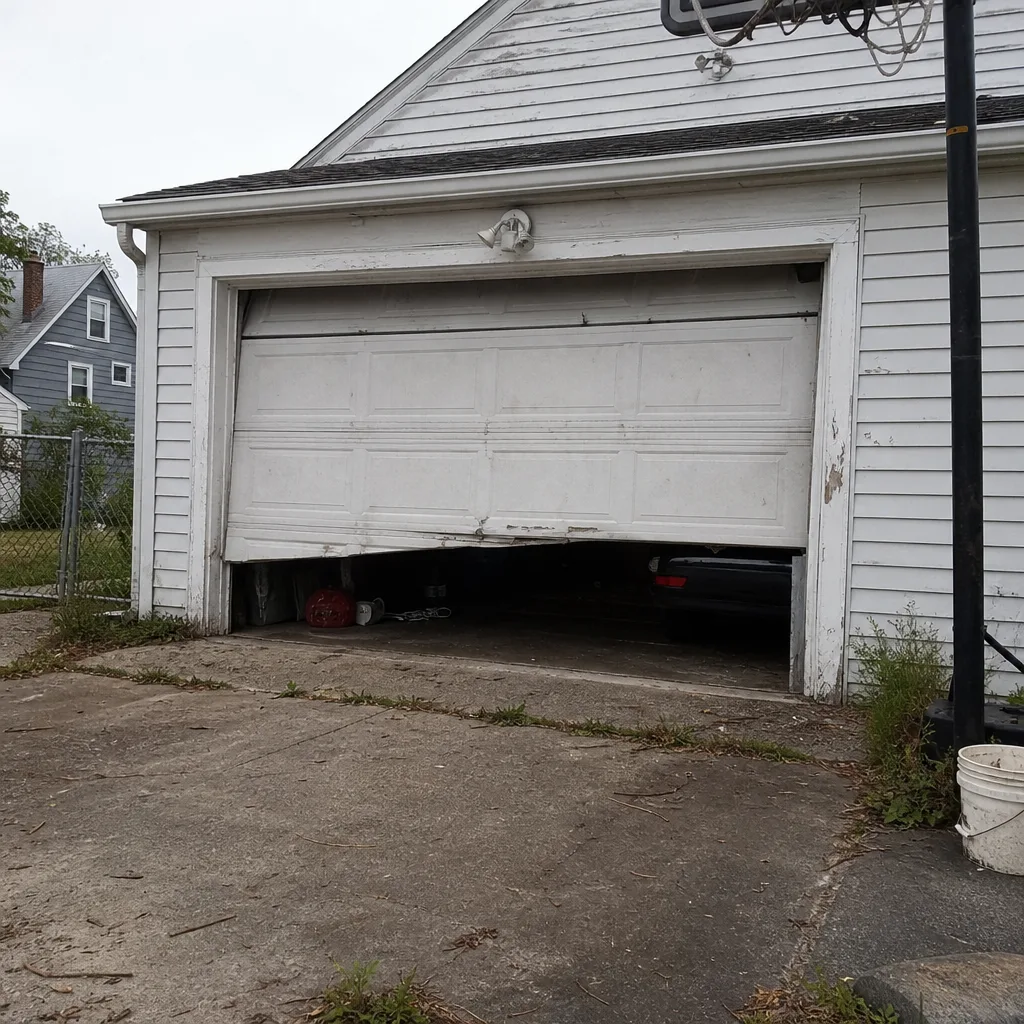
See the difference
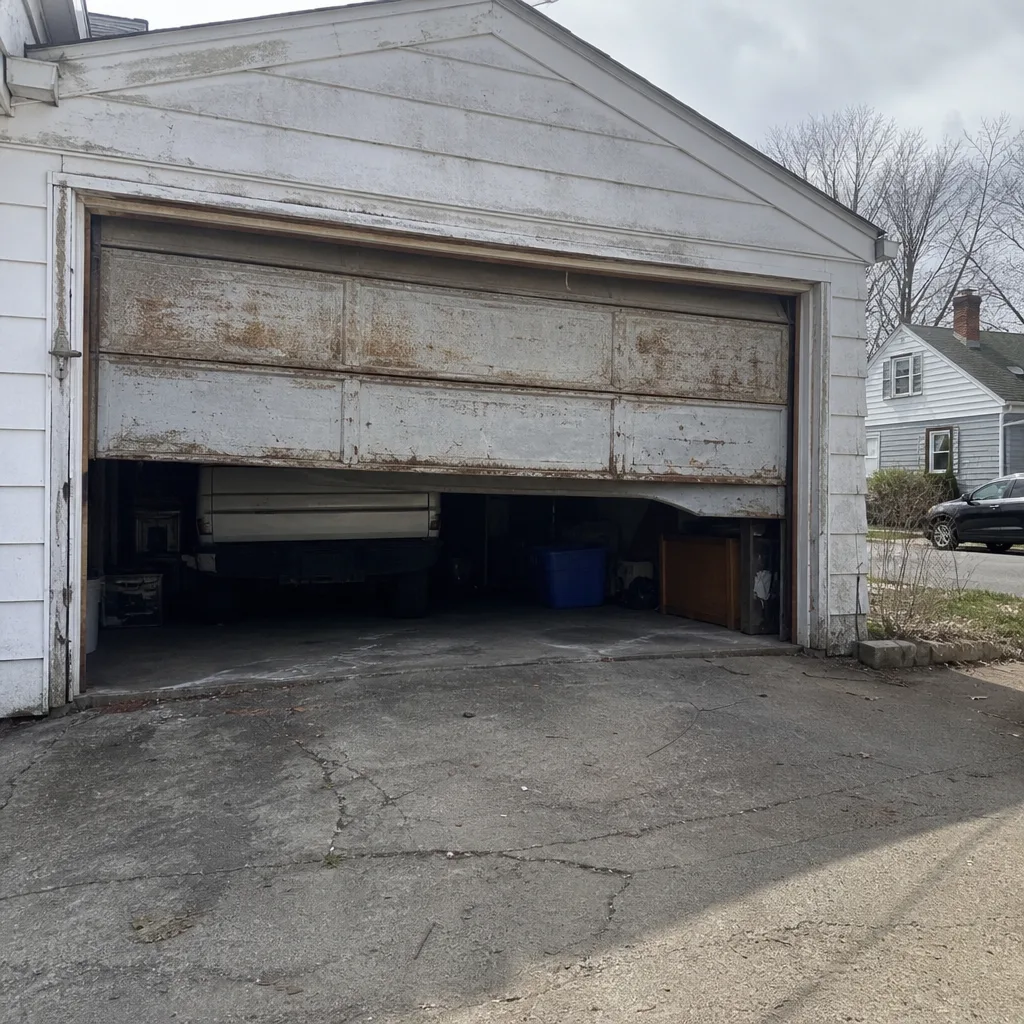 Before
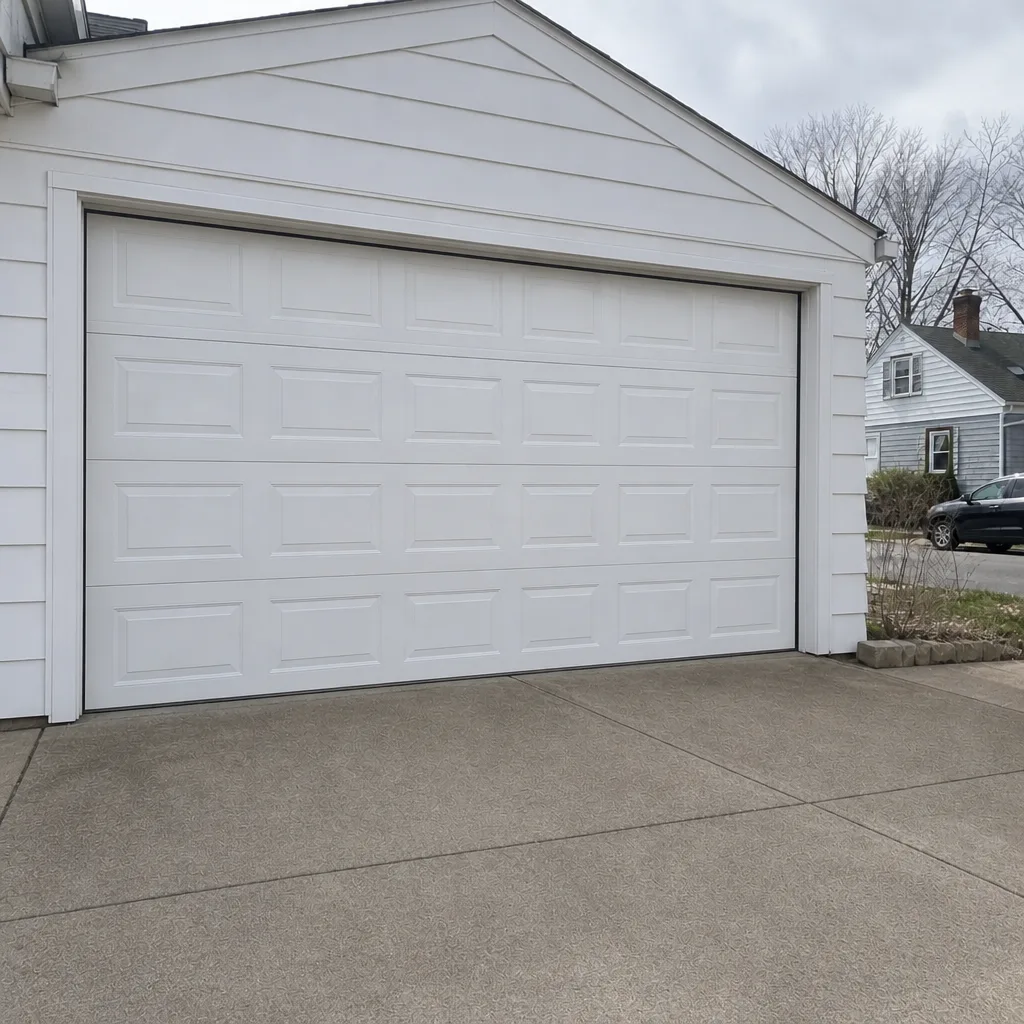 After
 Before
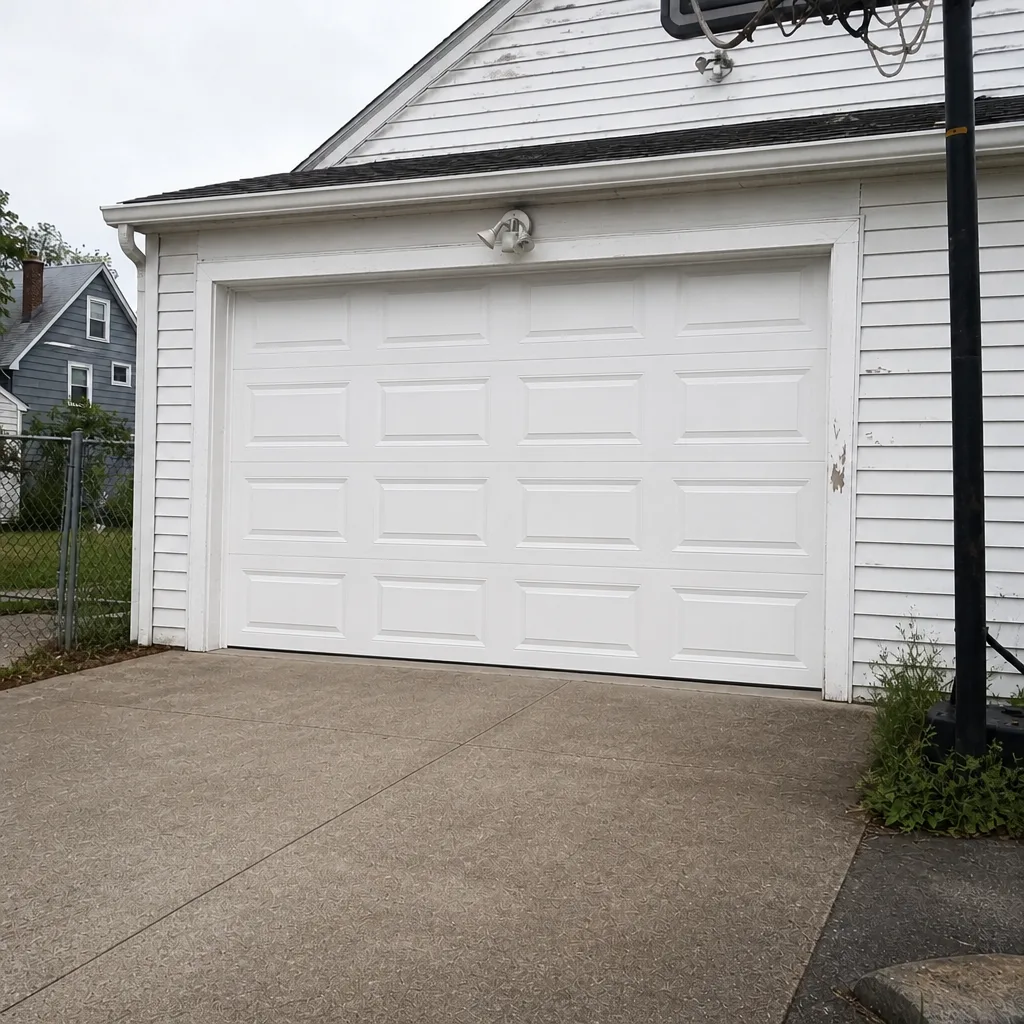 After
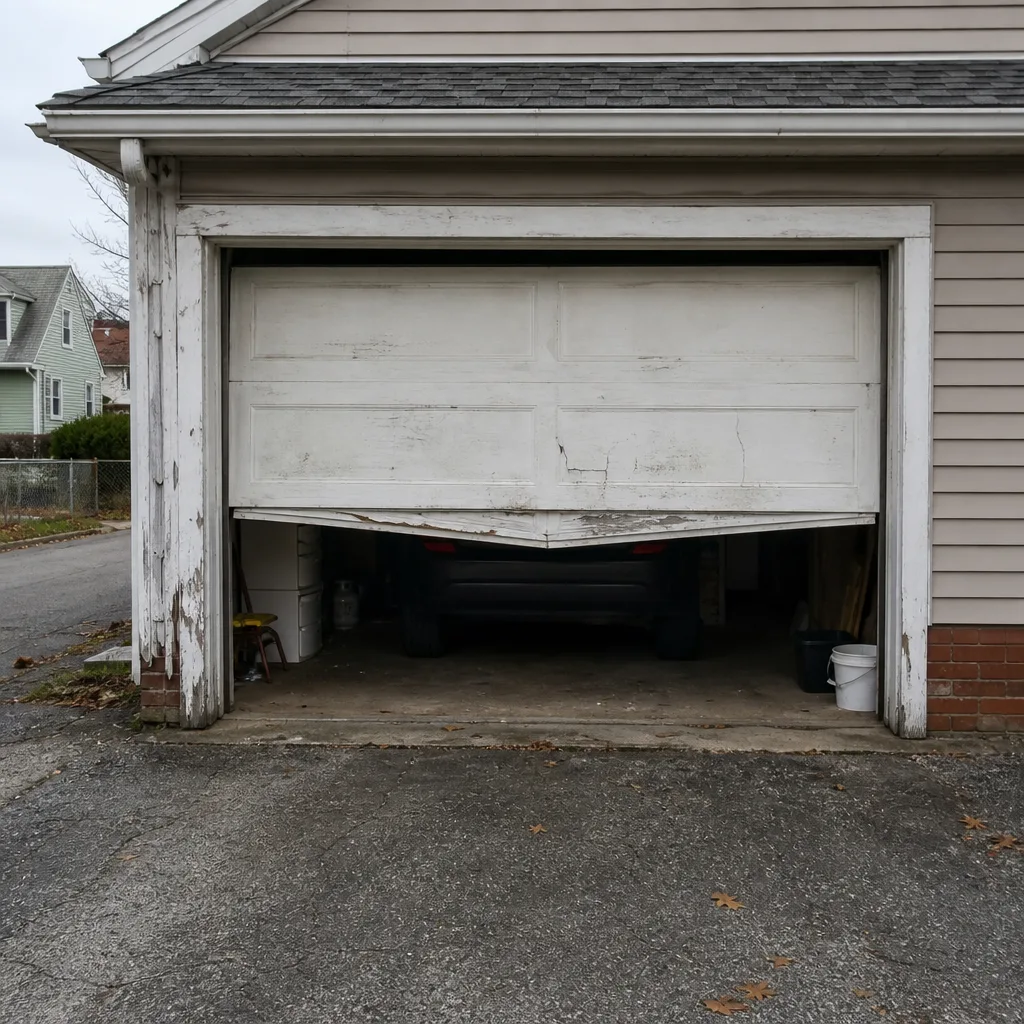 Before
 After
When to Call a Professional
Some problems are maintenance. Others are jobs that need the right tools and the right experience. Call a professional when you find a broken spring, a gap or visible rust in a torsion coil, a door that drops quickly on manual lift, a track that’s bent or out of alignment, or an opener whose reversing feature won’t work no matter what you try. Call also if a hinge has seized or if the door has come off its track. These are the scenarios where a pause and a phone call prevent a serious injury or a much bigger repair. Garage Door Repair Pawtucket offers free estimates in Pawtucket – call (855) 658-5250. We work on LiftMaster, Chamberlain, Genie, Raynor, and the other brands you’ll find on doors across the city, and our technicians have up to 9 years of experience. If you need emergency help, we offer emergency garage door service for the situations that can’t wait.
Frequently Asked Questions
Run the five-minute check monthly, do the lubrication and safety tests quarterly, and add the deep seasonal checks in spring and fall. The full quarterly pass takes about forty-five minutes, so it fits in a single morning. The monthly five-minute look is the part that catches most problems before they become emergencies.
You can apply a light amount of the right product to springs that are in good condition, but never touch a spring under tension or attempt to adjust one. If you’re at all unsure, leave spring lubrication to a technician during a service visit. A spring under load stores serious energy, and the wrong move can cause injury.
Look for a visible gap in the coils, rust along the spring, uneven winding, or a door that feels heavy when you lift it by hand after disconnecting the opener. Those are the warning signs. If you see any of them, stop using the door and call a professional, because a spring can fail completely without much more warning.
Both usually point to a force setting or a sensor problem. If it reverses too easily, the force limit may be too low and the door may not close fully. If it fails to reverse on contact, the force limit may be too high, which is a genuine safety hazard. Check the manufacturer’s manual, and if you can’t confirm it’s working, have a technician check it right away.
No. A door with a broken spring can be extremely heavy, and forcing it strains the opener, the panel, and the tracks. Using it can turn a spring repair into a much larger job. Leave the door closed and call for service, and we can usually get out to look at it quickly.
The core maintenance is the same, but the specifics vary by brand. A LiftMaster or Chamberlain opener may have different force settings than a Genie, and the roller type on your door (nylon versus steel) changes whether you lubricate it at all. If you own a named brand system and want someone who knows it, we service eight major brands and our technicians arrive already familiar with your exact hardware. Call (855) 658-5250 for a free estimate.
The Bottom Line
The point of a maintenance checklist isn’t to check boxes. It’s to look at the right parts. In Pawtucket, the failures that cause the most emergency calls come from springs, hinges, weather seals, and opener safety features, not from the door panel or the track on their own. Do the five-minute monthly check, the quarterly lubrication and safety tests, and the seasonal thaw and freeze sessions, and you’ll catch most problems while they’re still small. Leave the spring work and anything involving stored tension to a technician, because that’s where the real danger lives. Everything else, a careful homeowner can handle. When a job crosses the line into pro territory, one call sorts it out.
If you’re facing a repair or just want a professional to confirm your checklist findings, call Garage Door Repair Pawtucket at (855) 658-5250 for a free estimate. We handle spring repair, opener service, and full door installation across Pawtucket, and same-day and emergency service is available when a door can’t wait.
Written by the team at Garage Door Repair Pawtucket.