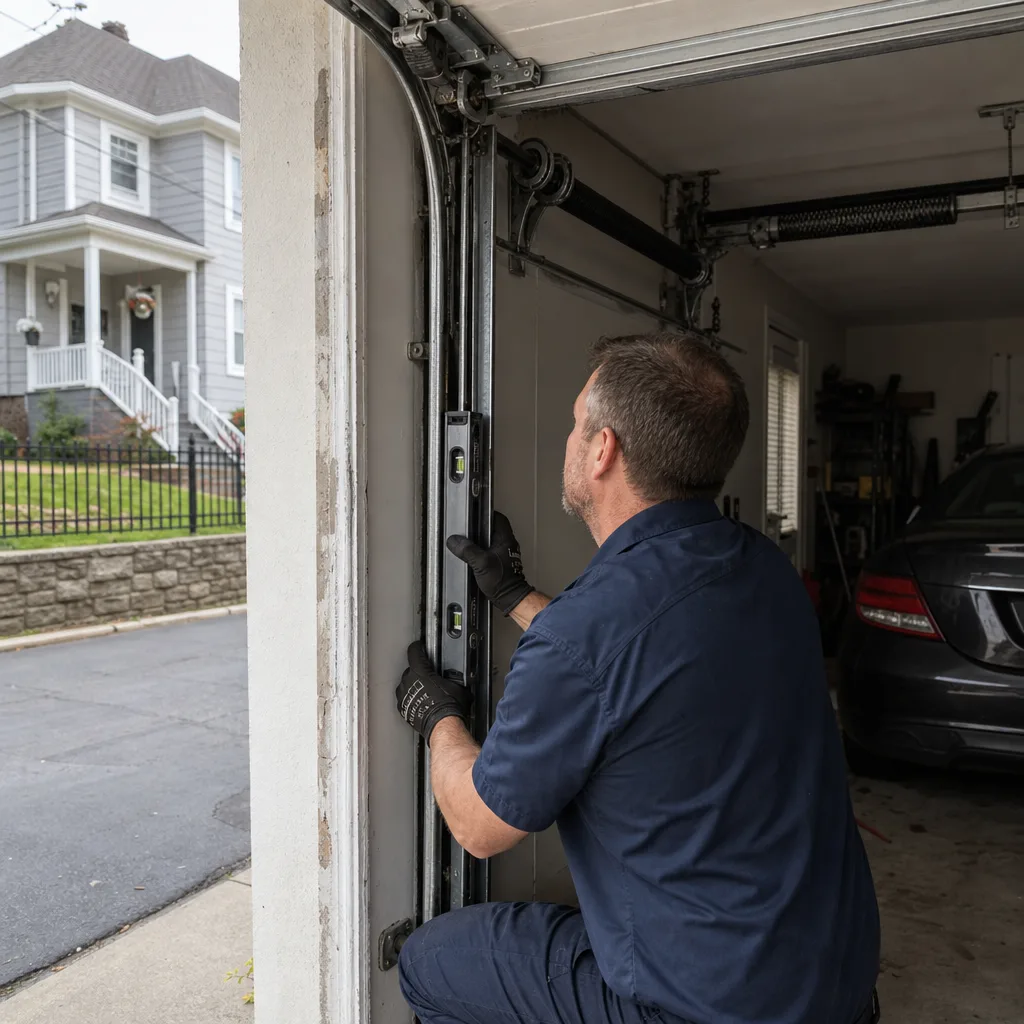
Last updated November 23, 2026
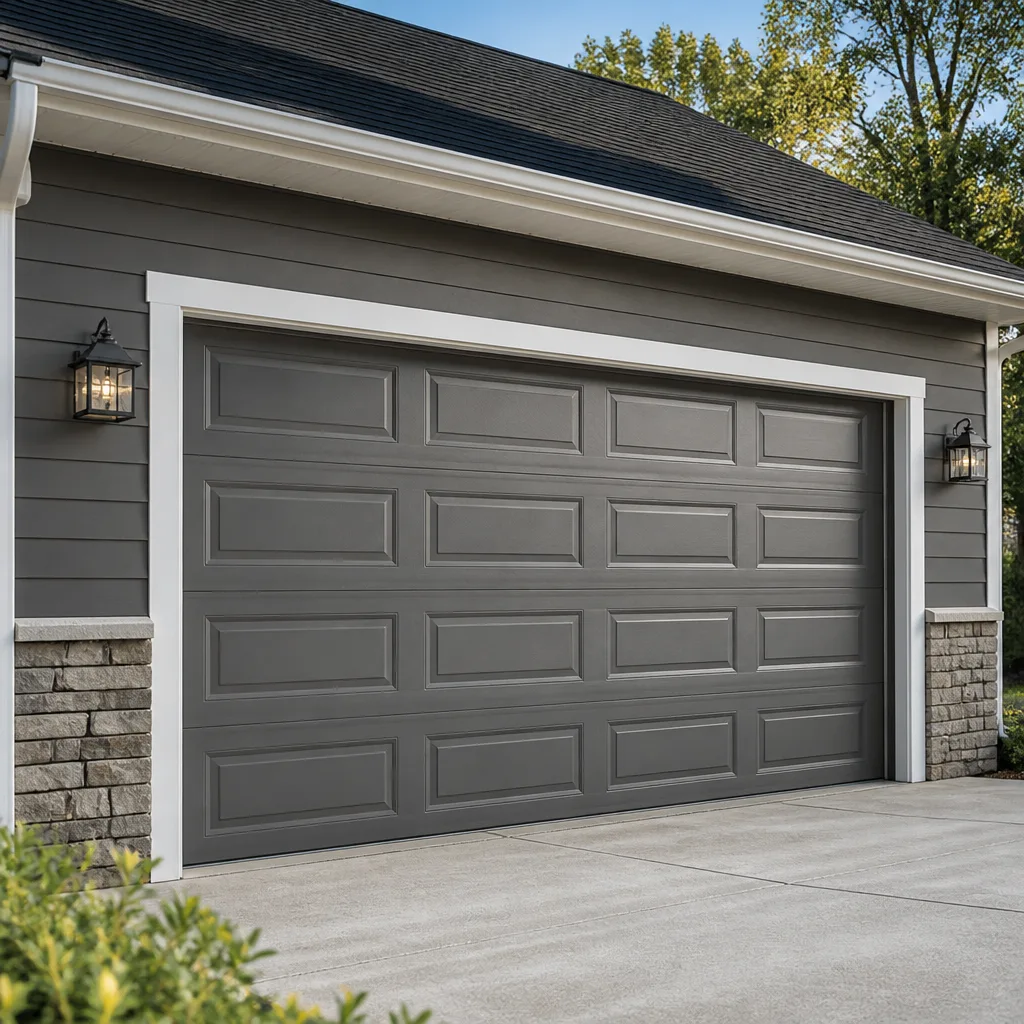 Raised-panel steel
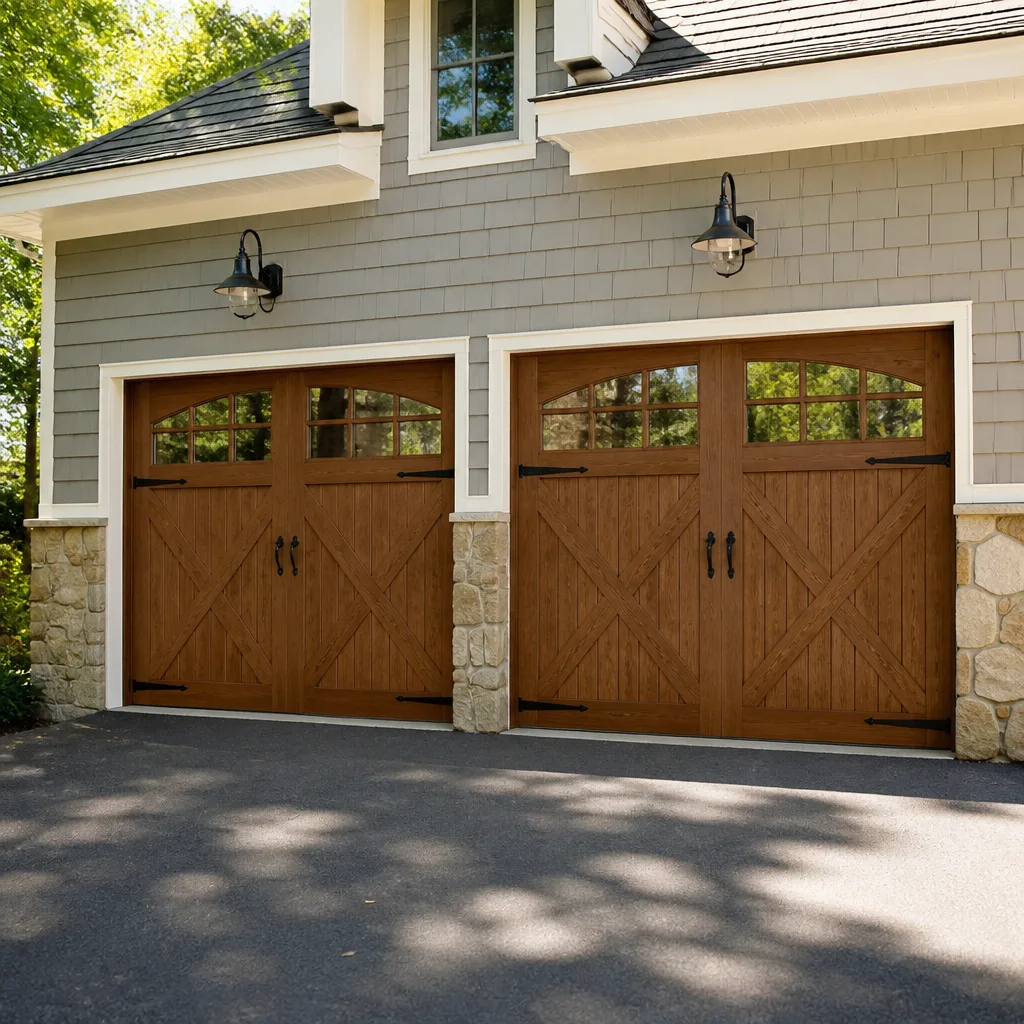 Carriage house
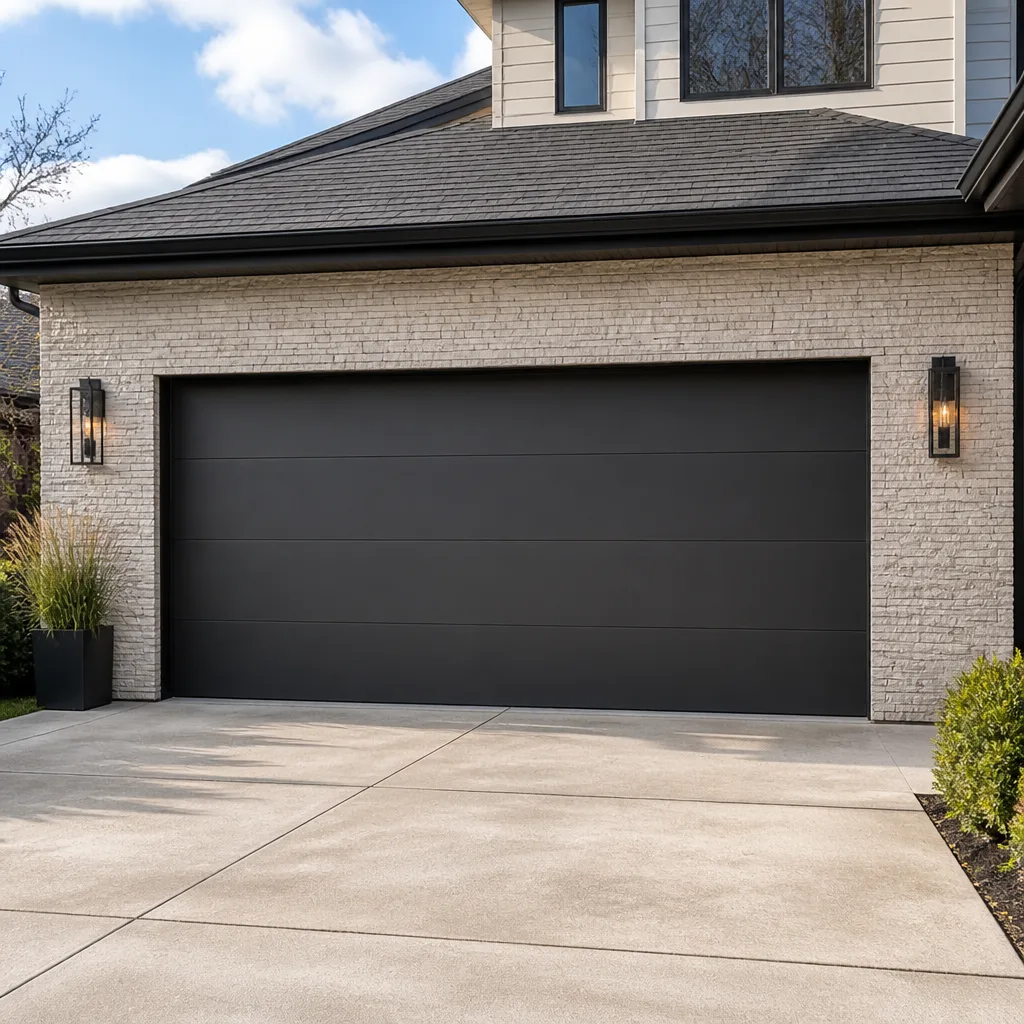 Modern flush
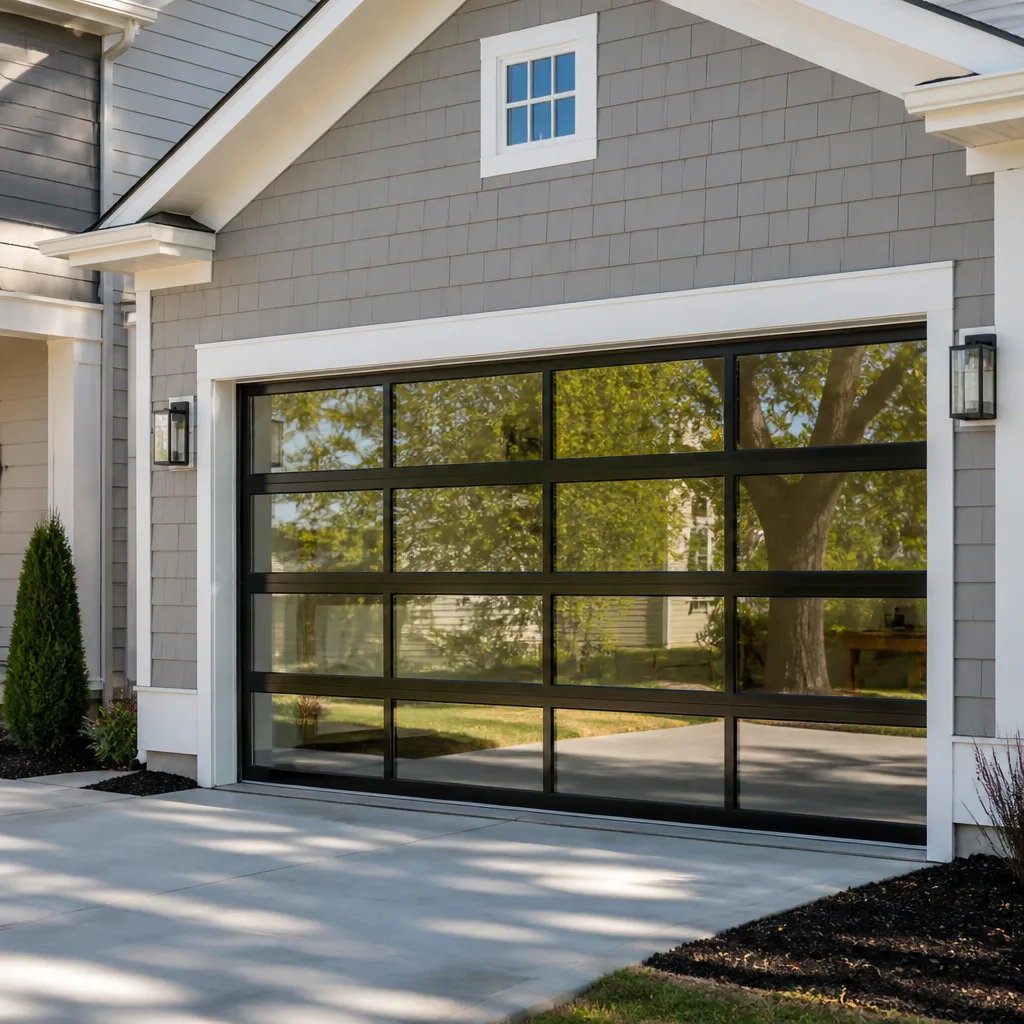 Full-view glass
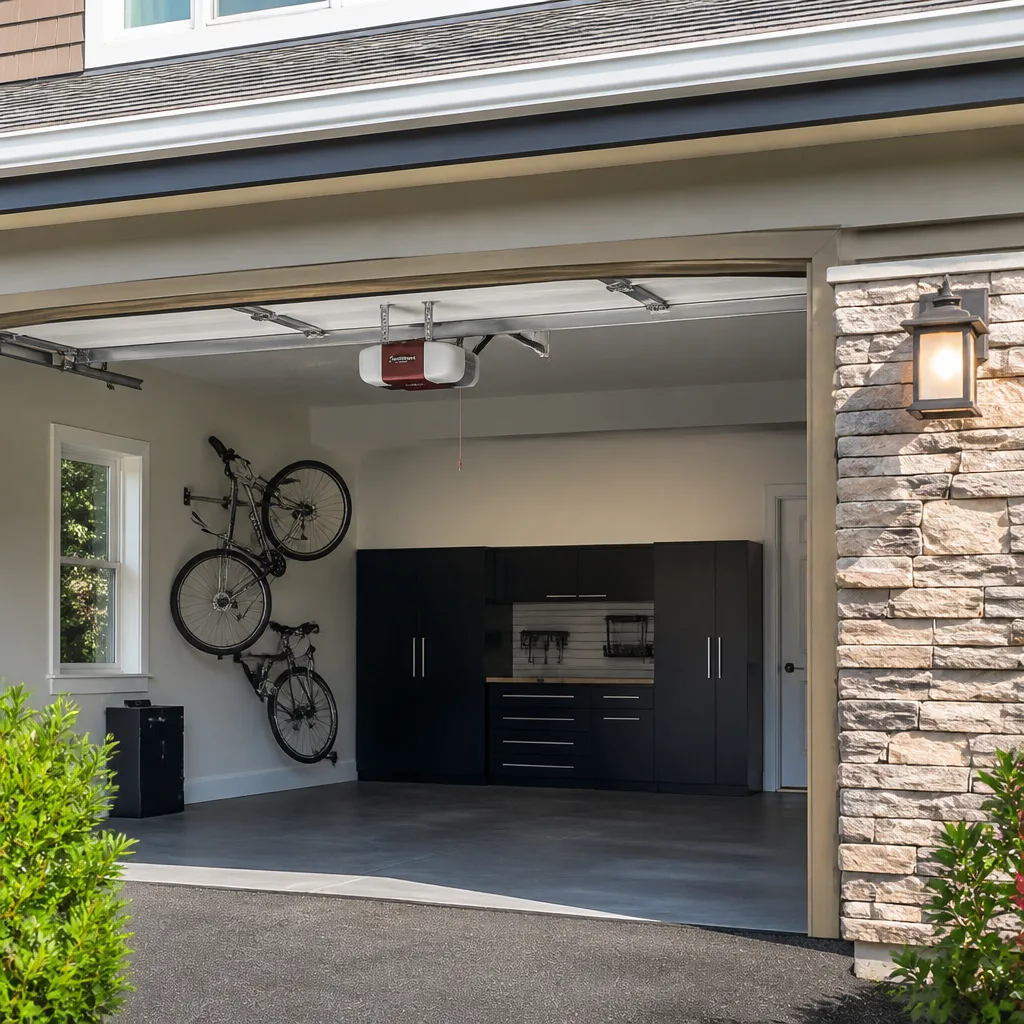 LiftMaster openers
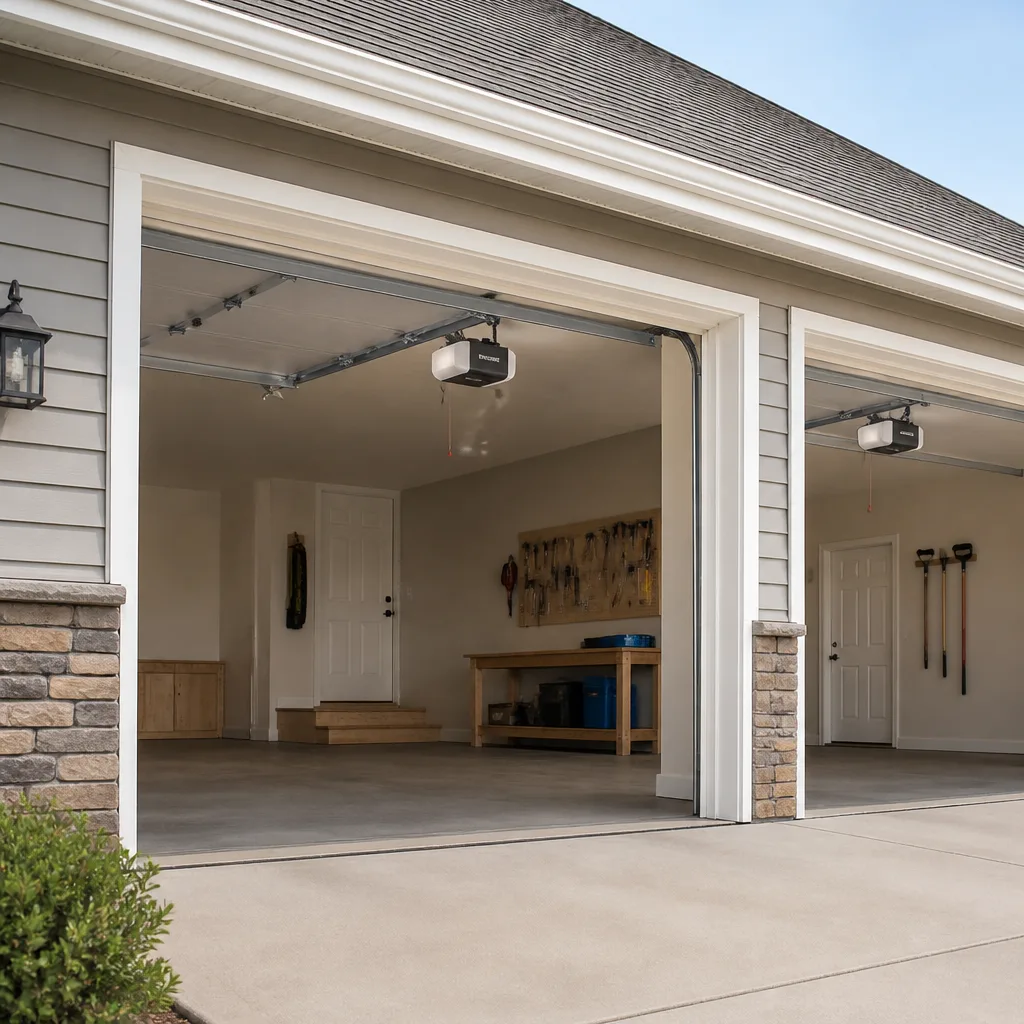 Chamberlain openers
Full 25-point door and opener safety check with every visit - springs, cables, rollers, tracks, and your LiftMaster or Chamberlain opener included
You get a price before we start. It does not change when the pro arrives.
Get your free estimateSeasonal Garage Door Care for Pawtucket: Year-Round Homeowner’s Guide
The busiest stretch for garage door calls in New England doesn’t come after a blizzard. It comes with the first hard freeze, when a door that opened quietly all October suddenly groans, sticks, or refuses to close at the bottom. The reason is almost always the same: nobody dealt with the weatherstripping and the lubrication in September. Cold finds every weak point a door has, and Pawtucket winters test them all. This guide skips the four identical seasonal checklists you’ve read elsewhere. Instead, we focus on the one or two jobs each season that actually prevent the calls we see spike every November and every March, plus the specifics of Rhode Island’s freeze-thaw cycle and what it does to a door over a full year.
Quick Answer
The core of seasonal garage door care in Pawtucket is two habits repeated on a schedule: keep the moving parts properly lubricated with a low-temperature product, and keep the bottom weatherstripping and door balance in good order before the cold sets in. Handle those before the first freeze and again after the thaw, and you avoid the majority of winter failures. Everything else in this guide builds on that rhythm and tells you what to check, when, and why.
Styles & brands we work with
- Raised-panel steel
- Carriage house
- Modern flush
- Full-view glass
- LiftMaster openers
- Chamberlain openers
Table of Contents
- Why Fall Prep Is the Highest-Leverage Season
- How Rhode Island’s Freeze-Thaw Cycle Affects Your Door
- The Right Lubricants for a Pawtucket Winter
- Winter Care: What to Do and What to Leave Alone
- Spring Post-Winter Inspection
- Summer Humidity and Wood Door Panels
- A Year-Round Calendar You Can Actually Keep
- Brand Matters: Why Knowing Your Hardware Changes the Work
Why Fall Prep Is the Highest-Leverage Season
Fall is the season that sets up everything that follows. A garage door that enters winter clean, lubricated, balanced, and well sealed at the bottom has a much easier time staying that way. A door that enters winter dry, misaligned, or with a cracked bottom seal does not recover on its own in April.
Across the Pawtucket and greater Providence area, we’ve found that the overwhelming majority of winter service calls trace back to two jobs skipped in the fall. Neither is complicated. Both are easy to overlook because the door still looks fine in September.
The two make-or-break fall tasks
- Replace or repair the bottom weatherstripping. The rubber or vinyl seal across the bottom of the door takes the most abuse of any part of the system. If it’s cracked, flattened, or missing chunks, cold air and moisture get under the door, the seal freezes to the slab, and any force applied to the opener pulls at the whole bottom section. A seal that’s still flexible and sits flush is the single best defense against a frozen-shut door.
- Lubricate the moving parts with a low-temperature product. Hinges, rollers, springs, and the tracks all need a lubricant that stays fluid when it gets cold. The wrong product turns tacky or congeals in the cold, and the door suddenly works against resistance it never had before. This is the exact failure pattern that causes a door to feel sluggish in November.
If a door in Pawtucket has a spring that’s past its prime, October is also the smart month to have it looked at, before the cold makes the work more urgent. Our technicians have up to 9 years of experience with both torsion and extension systems, and it’s easier to schedule a planned garage door spring repair in October than to manage a failure in freezing temperatures.
How Rhode Island’s Freeze-Thaw Cycle Affects Your Door
Rhode Island sits in a climate band that gets repeated cycles of freezing nights and thawing afternoons throughout winter, and often through late fall and early spring. That cycle, more than any single deep cold snap, is what wears down a garage door over a season. Each freeze-thaw round moves the materials slightly, then back. Over a full winter, that repeated movement adds up.
What the cycle actually does
- Bottom weatherstripping: the seal is the first material to fatigue. It compresses against a cold slab, freezes into place, then flexes loose as it thaws. Cracked or hardened seals fail first, and once water gets under the door edge, the bottom panel sees moisture it wasn’t designed to handle.
- Track and hardware movement: when the ground shifts with frost, the door frame and track can move a fraction of an inch. That slight movement can throw the door out of alignment, and a door that’s off track runs with more friction.
- Metal contraction: cold metal contracts, and on a torsion system that means the spring tension you rely on behaves a little differently. It’s a normal part of the cycle, but a door at the end of its spring’s life will notice it before a fresh one does.
- Seals around the door frame: the perimeter seal where the door meets the frame faces the same freeze-thaw stress as the bottom, and often gets overlooked because it’s not in the line of sight.
A realistic replacement interval for bottom weatherstripping in Pawtucket is roughly every few years, sooner if you notice hardening, cracking, or a draft. There’s no single number that fits every door, because how much the door is used and how well the slab drains both matter. The practical test is simple: run your hand along the bottom seal after a cold night. If it feels rigid or has visible cracks, it’s due.
The Right Lubricants for a Pawtucket Winter
The lubricant you use in summer may be the wrong one for January. That’s one of the most common oversights we run into. A product that keeps rollers rolling smoothly in warm weather can turn gummy when temperatures drop, and a gummy lubricant actually increases friction instead of reducing it. For a door in Pawtucket, you want a product chosen for cold performance, not whatever’s already in the garage.
What works in sub-zero temperatures
- White lithium grease or dedicated garage door lubricant on hinges, springs, and bearing plates is the standard choice for cold climates. It stays where you put it and doesn’t attract grit the way some sprays do.
- Silicone-based spray works well on the track and the door’s weather seal, and it stays fluid across a wide temperature range.
- Avoid general-purpose household oil on tracks and rollers in cold weather. It tends to collect dust, and once it thickens in the cold, it can make the door work harder.
What congeals and causes sluggish operation
Heavy gear oils, some chain greases, and old lubricant that’s been on the door for years can all thicken in the cold. If you’ve ever opened the door on a cold Pawtucket morning and felt it move with a slow, heavy effort, the lubricant is a likely culprit. The fix is to clean the old product off the moving parts and reapply a cold-rated lubricant, not to add more on top. Adding fresh lubricant over a gummy layer just buries the problem.
The moving parts that matter most are the hinges, the roller stems, the torsion springs or extension springs, and the bearing plates the spring sits on. Wipe old grease off these, apply a thin coat of the right product, and cycle the door a few times to work it in. It’s one of the simplest seasonal habits with the highest payoff.
Winter Care: What to Do and What to Leave Alone
Winter is the season to watch and listen, not to take on repairs. The cold makes a garage door’s components more brittle, and a spring that’s under extra load in freezing temperatures is not something to experiment with. A lot of winter damage happens because someone tried to force a frozen door open rather than address why it was stuck.
What to watch for
- A door that won’t close fully: the opener may be reversing because something’s in the safety sensor path, or the bottom seal is catching on ice. Check the sensor alignment first, and if the door still won’t close, stop forcing it.
- A door that opens unevenly: one side rising faster than the other usually points to a balance issue or a track problem, and both get worse in the cold. This is a call-a-professional situation.
- A loud snap or bang followed by a door that won’t lift: that’s the classic sign of a broken spring, and it can happen in a Pawtucket garage on a cold morning the same as anywhere. Don’t try to lift the door by hand, and don’t attempt a spring repair on your own.
What to leave alone
Springs, cables, and the torsion system are the parts a homeowner should never adjust or replace. The stored tension in a garage door spring is dangerous, and the components are under load even when the door looks still. If winter shows you a spring problem, that’s exactly when to call. Our garage door spring repair covers the safety-critical work, and our technicians have up to 9 years of experience with these systems so they can assess whether a spring has simply reached the end of its life or whether something else is going on.
Winter is also when a stuck door becomes an emergency. If your car is trapped or the door is stuck open, our emergency garage door service is available for the situations that can’t wait for a standard appointment.
Spring Post-Winter Inspection
Spring, in our experience, is where the previous winter’s damage shows up as a real problem. March is the other month that produces a spike in calls, and it’s not because of the weather on any given day. It’s because a door that cycled through a season of freezing and thawing has been quietly pre-fatigued, and the first warm stretch is when it finally fails.
How to assess whether winter has worn on your spring
- Disconnect the opener and test the balance. Pull the release handle so the door runs on the opener-free track, then lift it to about halfway and let go. A balanced door stays roughly where you left it. A door that sags or falls is telling you the spring tension isn’t right.
- Listen for the spring’s sound. A healthy torsion spring is quiet. A spring that twangs, creaks, or makes noise as the door moves is telling you something. Loud noises from the spring area should always prompt a professional look.
- Look at the spring’s appearance. Torsion springs can develop a visible gap or a stretched look as they age. On extension springs, look for a stretched-out shape or worn end loops. Any of these signs means it’s time to have a technician assess it.
- Check for the color-coded paint band. Torsion springs carry a painted band that identifies the wire size and tells a technician what replacement matches your door. If that band is worn or gone, a pro can still measure the spring, but it’s worth noting.
A post-winter inspection is one of the best arguments for scheduling a spring check in early spring rather than waiting for a failure. In our experience, a spring that’s been through one too many Rhode Island winters often fails during the first warm weeks, and an inspection in that stretch gives you time to plan the repair rather than handle it as an emergency.
Summer Humidity and Wood Door Panels
Pawtucket’s summers bring humidity, and humidity is hard on a wood garage door. Wood absorbs moisture and expands, then dries and shrinks as the season turns. Over time, that movement shows up as warping, and warping leads to a door that doesn’t sit flush in its opening. When a wood panel warps, the door’s alignment changes, and a door that doesn’t align properly puts extra load on the opener and the springs.
Early signs your wood door is losing its alignment
- Gaps at the bottom or the sides: if the door no longer sits evenly against the seal, warping may have pushed a panel out of shape.
- A door that rubs the frame: if you can hear the door scraping as it rises or falls, a warped panel or a shifted track may be to blame.
- Paint or stain failing on one panel: moisture gets into bare or damaged wood first, and the paint on that panel often fails before the rest.
- A door that’s harder to lift as summer goes on: as warping changes the alignment, the door works against more friction.
Keeping a wood door dry and sealing any bare spots before the humid months is the best prevention. If you’re already seeing warping, the door may need to be adjusted or, in more advanced cases, have a panel assessed. A garage door repair visit can tell you whether a panel adjustment will solve it or whether a replacement section is the better route. For homeowners considering a new door, a summer install is often easier to schedule than a winter one because the work doesn’t compete with heating-season demand.
A Year-Round Calendar You Can Actually Keep
The trick with seasonal maintenance isn’t knowing what to do. It’s doing it before the season that needs it. Here’s a calendar built around Pawtucket’s actual climate rhythm, with the tasks that matter most at each point.
- Early fall (before the first freeze): inspect and replace the bottom weatherstripping if it’s hardened or cracked, lubricate the moving parts with a cold-rated product, balance-test the door, and have the springs assessed if they’re showing age.
- Late fall: check the perimeter seals around the door frame, clear the track of any debris, and test the safety sensors. If the opener is a LiftMaster or Chamberlain unit, check that its smart features and safety reverse are working as expected.
- Winter: watch and listen, don’t force a frozen door, and call for spring or balance problems rather than experimenting. Keep the bottom seal clear of ice buildup.
- Early spring: balance-test the door again, inspect the spring for signs of fatigue, and have any winter damage assessed before the first warm stretch brings it to a head.
- Late spring: check the perimeter seals for winter wear, and clean and re-lubricate the moving parts as the weather warms.
- Summer: for wood doors, check for warping or failing finish on any panel, seal bare spots, and address alignment problems before they strain the opener.
- Late summer: test the opener’s safety reverse and, for a Craftsman or Raynor system, check the mechanical components for looseness or wear.
That’s seven touchpoints across the year, and most of them take a few minutes. The two that matter most, the fall seal-and-lubricate and the spring balance-and-spring check, are the ones that keep the others from turning into emergencies.
Brand Matters: Why Knowing Your Hardware Changes the Work
A lot of garage door care comes down to knowing what’s actually on your door. That’s why we work on the brands homeowners in Pawtucket most commonly own: LiftMaster, Chamberlain, Genie, Clopay, Amarr, Wayne Dalton, Craftsman, and Raynor. Knowing the brand changes how a technician approaches a problem, because the components inside differ from one system to the next.
Openers and door manufacturers
Opener brands like LiftMaster, Chamberlain, Genie, and Craftsman have different drive systems, safety features, and, in the smart-integrated systems, apps and connectivity. A Chamberlain myQ system is set up differently from a legacy Craftsman chain drive, and knowing which is which means the work goes faster. On the door side, manufacturers like Clopay, Amarr, Wayne Dalton, and Raynor each build their panels and hardware to their own specifications, so a replacement section or a spring match depends on knowing the exact model. When a technician arrives already familiar with your hardware, the diagnosis starts closer to the answer, and you get a clearer picture of what the fix involves.
If a problem turns out to be the opener rather than the door, that’s a separate service. Our garage door opener repair covers the electronics and drive systems across those brands, and it’s often the fastest path to getting a door working again when the door itself is fine.
Common Mistakes to Avoid
- Greasing the track with the wrong product. Tracks should stay clean and dry, and using a heavy grease there collects dust and grit. A dry or lightly silicone-treated track runs better; save the lubricant for the moving parts.
- Leaving the old weatherstripping in place through frost. A seal that’s cracked or flat is the top cause of a frozen-shut door in Pawtucket, and replacing it before the cold is far easier than dealing with it in January.
- Forcing a frozen door open. Pulling on a stuck door can bend a track, strain the opener, or damage the bottom section. Identify why it’s stuck and call if it’s not obvious.
- Using summer lubricant in winter. A product that’s fine in July can turn gummy in a January cold snap. Cold-rated grease on the moving parts prevents a lot of sluggish-door calls.
- Ignoring the spring until it breaks. A spring that’s making noise or showing wear in early spring is a warning, not a test. Have it assessed before it fails.
- Assuming a wood door’s summer warping will self-correct. Warping changes the door’s alignment permanently unless it’s addressed, and ongoing misalignment adds wear to the opener and hardware.
- Skipping the balance test. A door that’s out of balance works harder than it should, which is exactly what turns a small seasonal issue into a spring failure.
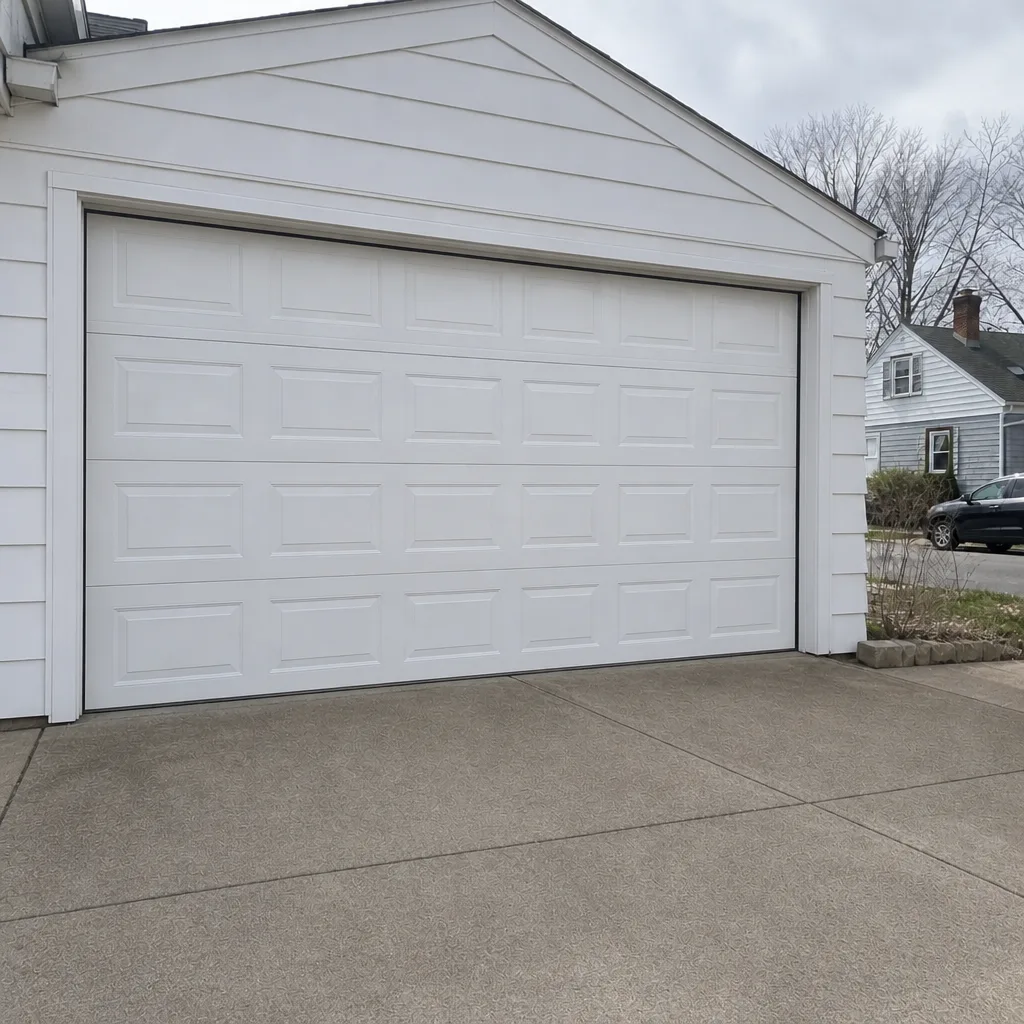
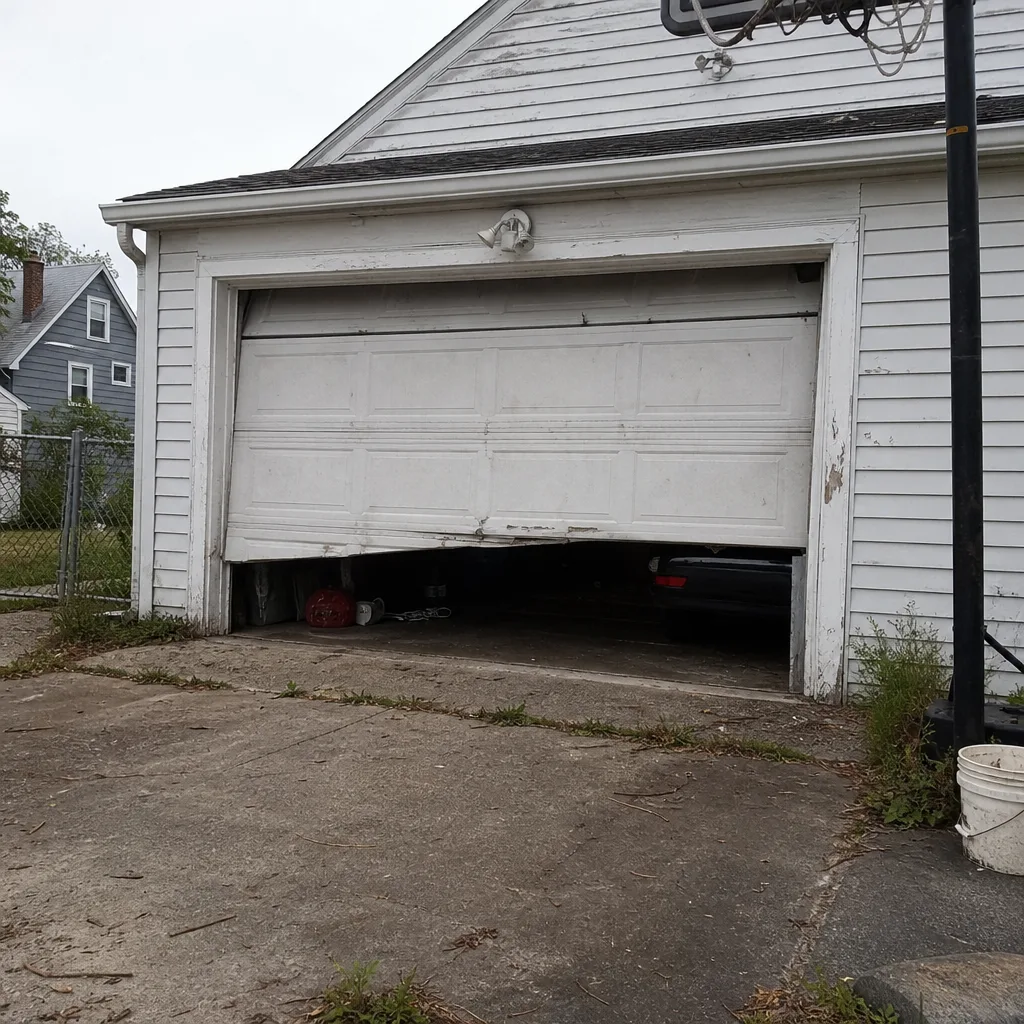
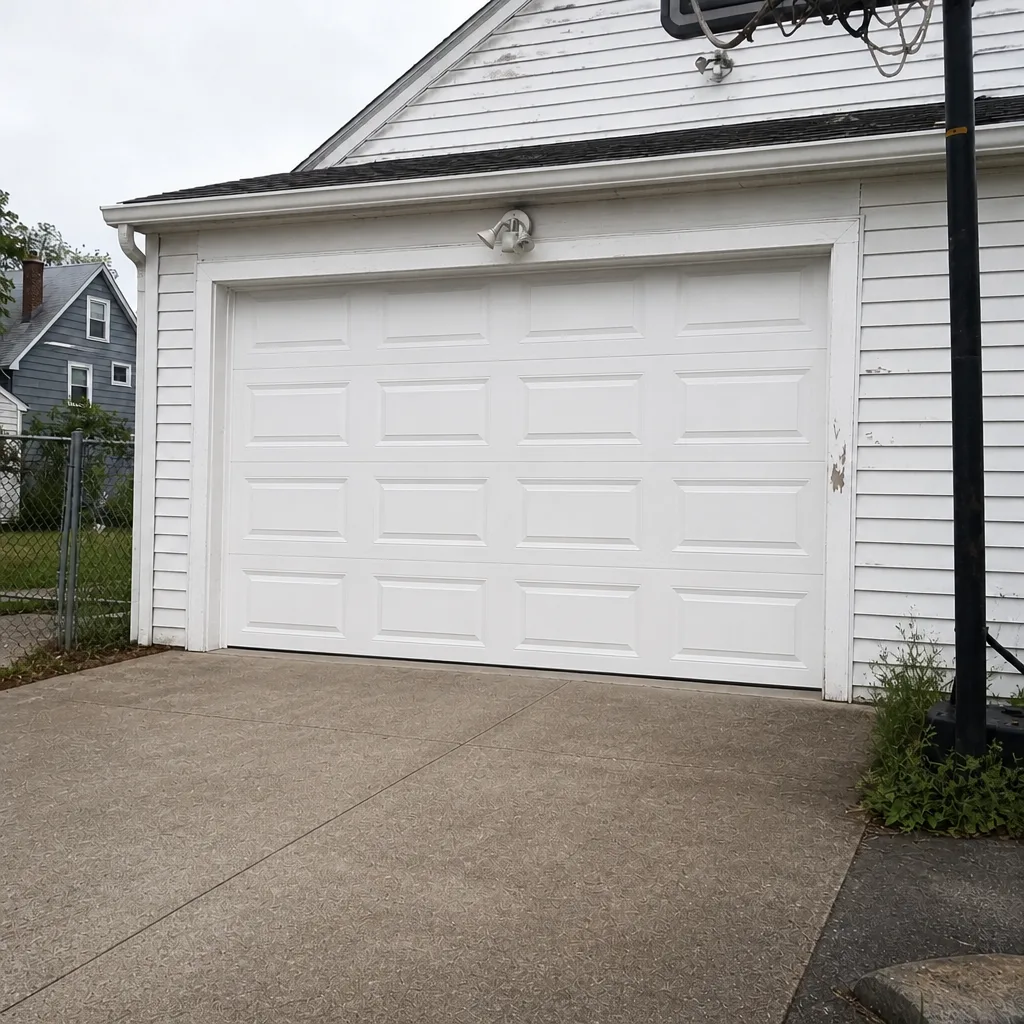
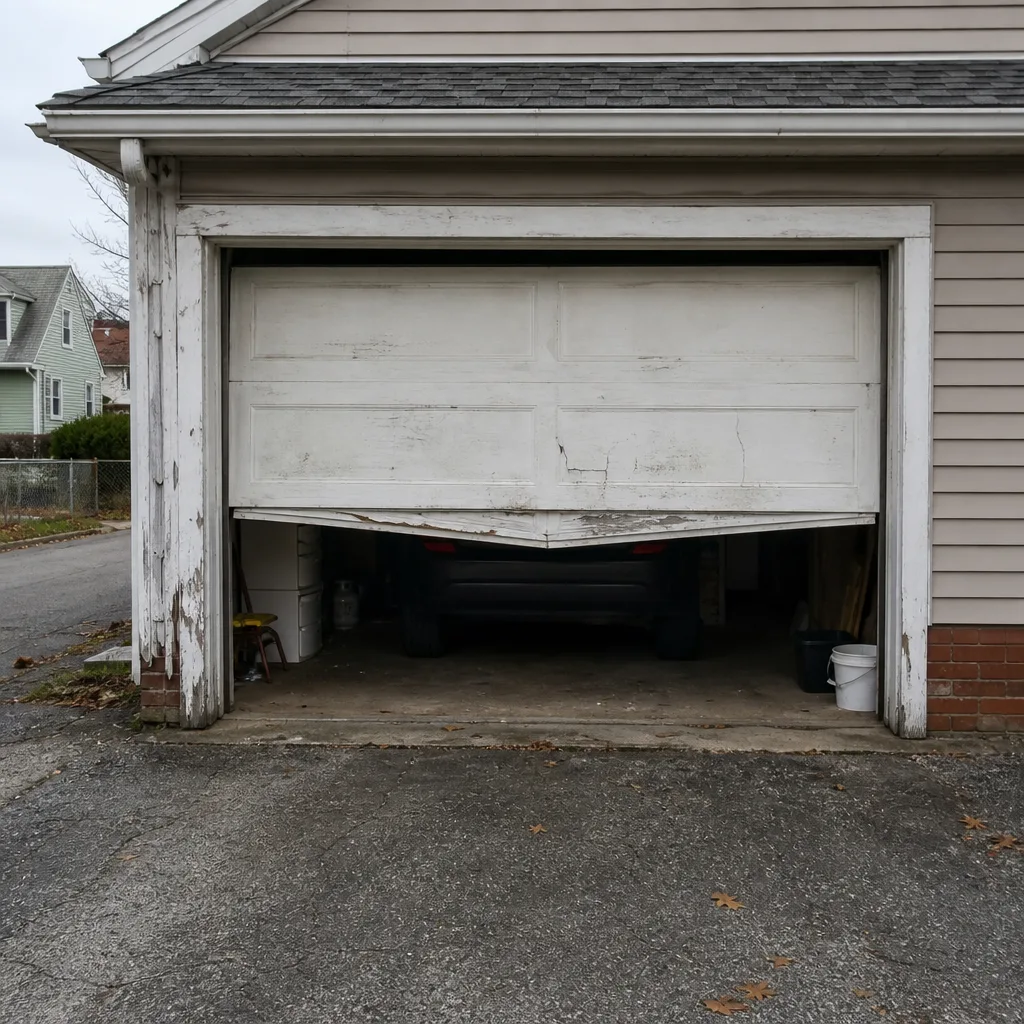
See the difference
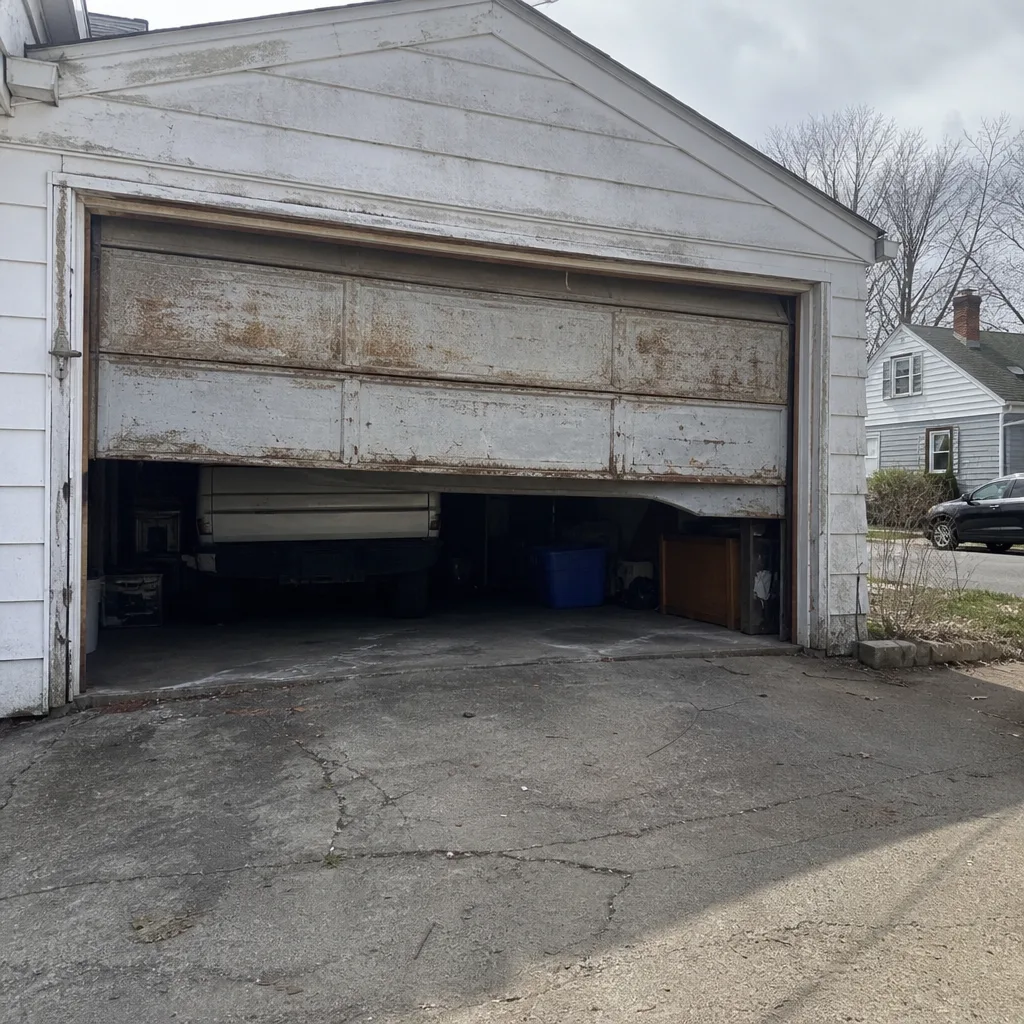 Before
 After
 Before
 After
 Before
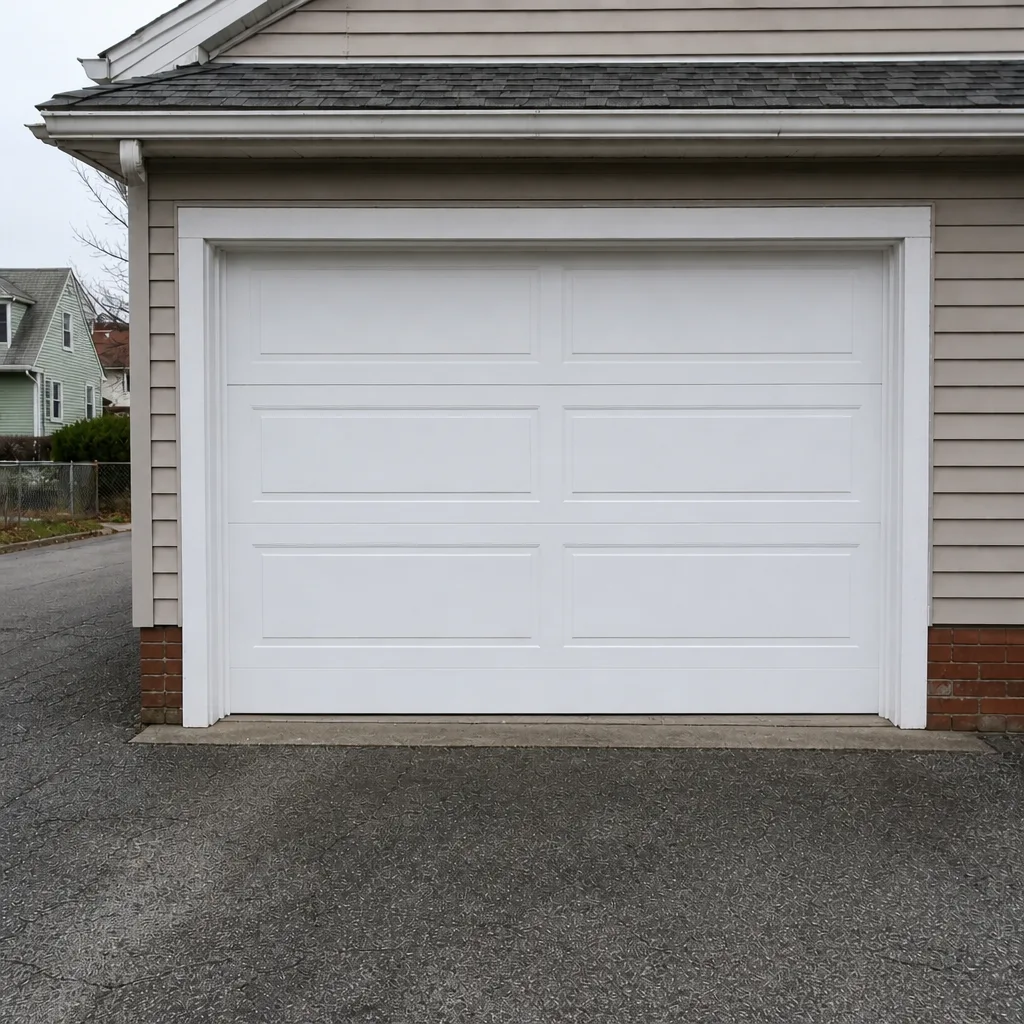 After
When to Call a Professional
Some seasonal care is within any homeowner’s reach: lubricating moving parts, checking a seal, testing the safety sensors, and keeping the track clear. But a few specific situations call for a trained technician, no question. A broken spring, a door that’s come off its track, a cable that looks frayed or slack, a door that won’t open or close no matter what, and any sign of a spring that’s visibly stretched or damaged all belong in the professional category. Springs and cables store tension, and that tension is genuinely dangerous to handle without the right tools and training. If a door is stuck, unbalanced, or showing spring trouble, that’s the point to make the call.
Garage Door Repair Pawtucket offers free estimates in Pawtucket, and our technicians work on the brands homeowners actually own, including LiftMaster, Chamberlain, Clopay, and Wayne Dalton systems. Call (855) 658-5250 for a free estimate and to schedule a seasonal inspection, a spring assessment, or any repair your door needs. The cost of a check-up in the fall is far smaller than the cost of a January emergency, and the price is always quoted and agreed before any work starts.
Frequently Asked Questions
Twice a year is a good baseline in Pawtucket: once in the fall before the cold sets in, and once in the late spring as the weather warms. Focus on the hinges, roller stems, springs, and bearing plates, and use a cold-rated product so the lubricant doesn’t thicken in winter. If you hear squeaking or the door feels sluggish, lubricate sooner. Call (855) 658-5250 if you’d rather have a technician assess the door than guess.
A door that sticks in the cold is usually dealing with one of three things: a bottom seal that’s frozen to the slab or cracked, lubricant that’s turned gummy in low temperatures, or a spring that’s lost tension and is working harder. All three are common in Pawtucket winters. If the sticking is paired with noise or an uneven lift, have a technician look at it rather than forcing the door.
The clearest signs are a spring that’s making noise, a door that won’t stay up when you test its balance, or a visible gap or stretch in the spring itself. A spring that’s been through a season of freeze-thaw cycles is more likely to fail in early spring. Any of these signs should prompt a call, and our garage door spring repair work is done by technicians with up to 9 years of experience with these systems.
Yes, wood doors in Rhode Island’s humid summers can warp as moisture gets into the panel and the wood expands. Early signs are gaps at the bottom or sides, a door that rubs the frame, or paint failing on a single panel. Sealing bare spots and addressing warping early prevents alignment problems that strain the opener and hardware.
On some doors, yes, if the bottom seal is a slide-in style and the door is balanced and closed. But if the seal is attached under load or the door has other issues, it’s safer to have it done professionally. If you’re not sure which style your door uses, a free estimate from Garage Door Repair Pawtucket can tell you, and the technician can replace it while assessing the door’s overall condition.
We work on LiftMaster, Chamberlain, Genie, Clopay, Amarr, Wayne Dalton, Craftsman, and Raynor products, which covers the openers and door systems most Pawtucket homeowners have. Knowing the brand means a technician arrives familiar with your specific hardware. For a garage door repair or a new-door install, the brand knowledge also means a clearer replacement path when a seasonal issue turns out to be a bigger job.
The Bottom Line
Seasonal garage door care in Pawtucket comes down to timing more than effort. The fall seal-and-lubricate routine prevents most winter failures, and the spring balance-and-spring check catches the wear that a winter of freeze-thaw leaves behind. Summer humidity is the time to watch a wood door for warping, and winter is the time to watch and listen rather than force anything. Do the two jobs that matter most at the right time of year, know your door’s brand, and leave the spring and cable work to a trained technician. If you’d rather have a professional handle it, Garage Door Repair Pawtucket is a call away at (855) 658-5250.
Garage Door Repair Pawtucket is your Garage Door Repair Pawtucket specialist, serving homeowners across the city with seasonal inspections, repairs, opener service, and full door installation. When a seasonal issue turns into something bigger, or you’d simply rather not take a chance with a spring, call (855) 658-5250 for a free estimate. We’ll quote the work and agree on the price before anything starts, and our technicians have up to 9 years of experience to draw on when they do.
Written by the team at Garage Door Repair Pawtucket.