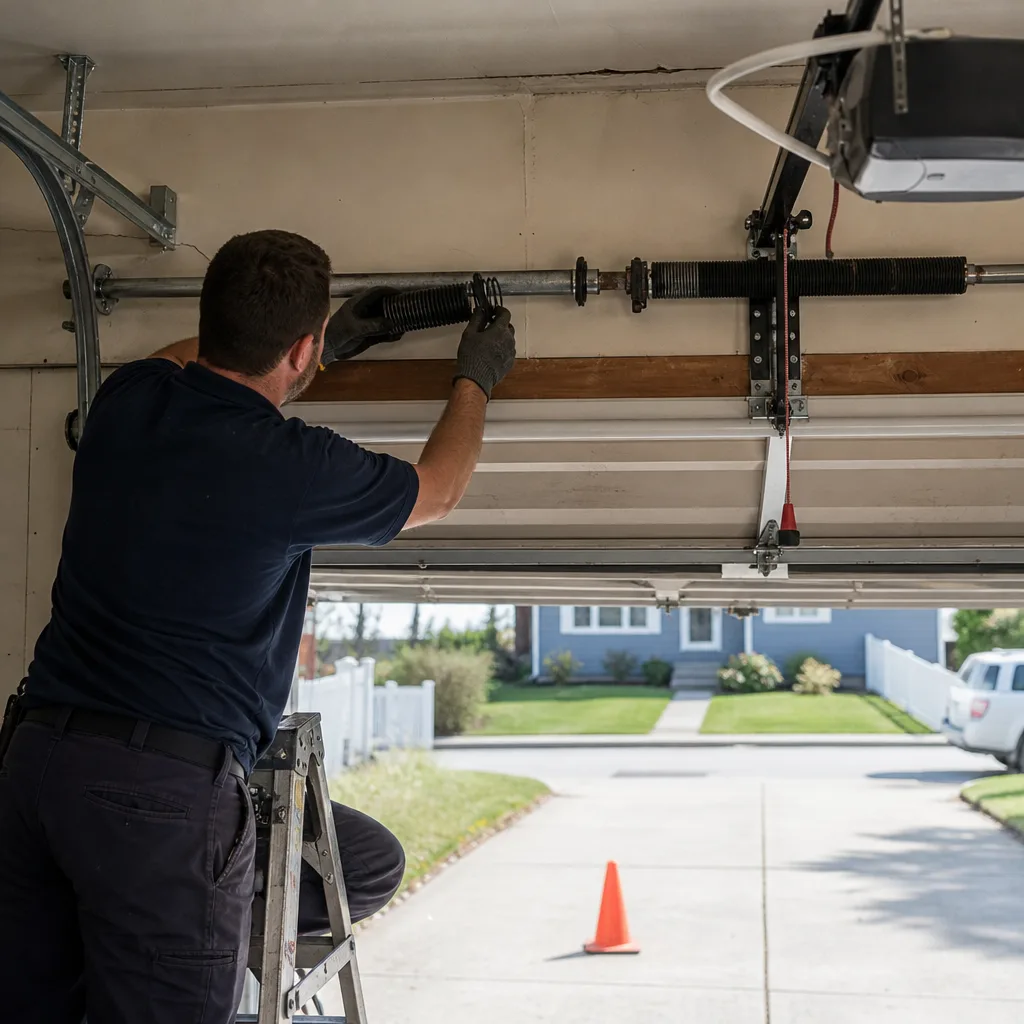
Last updated November 23, 2026
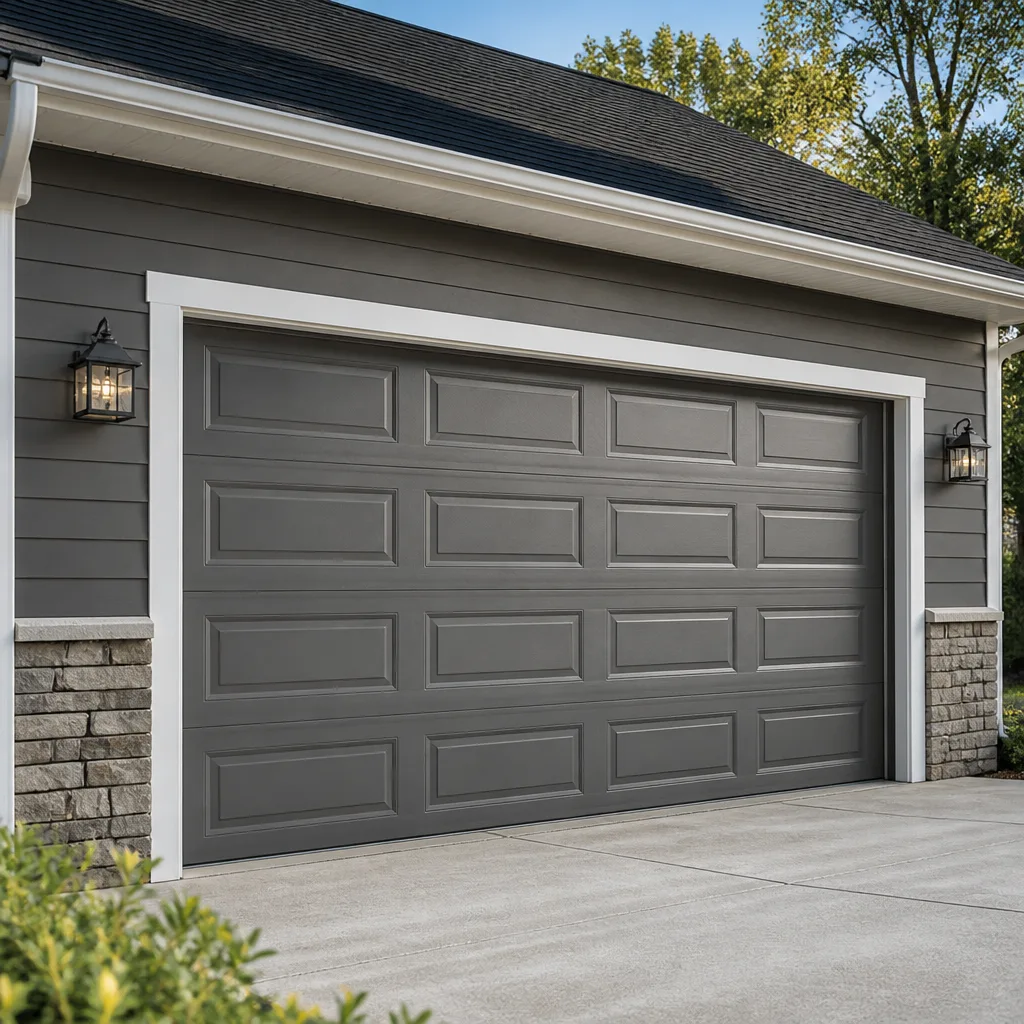 Raised-panel steel
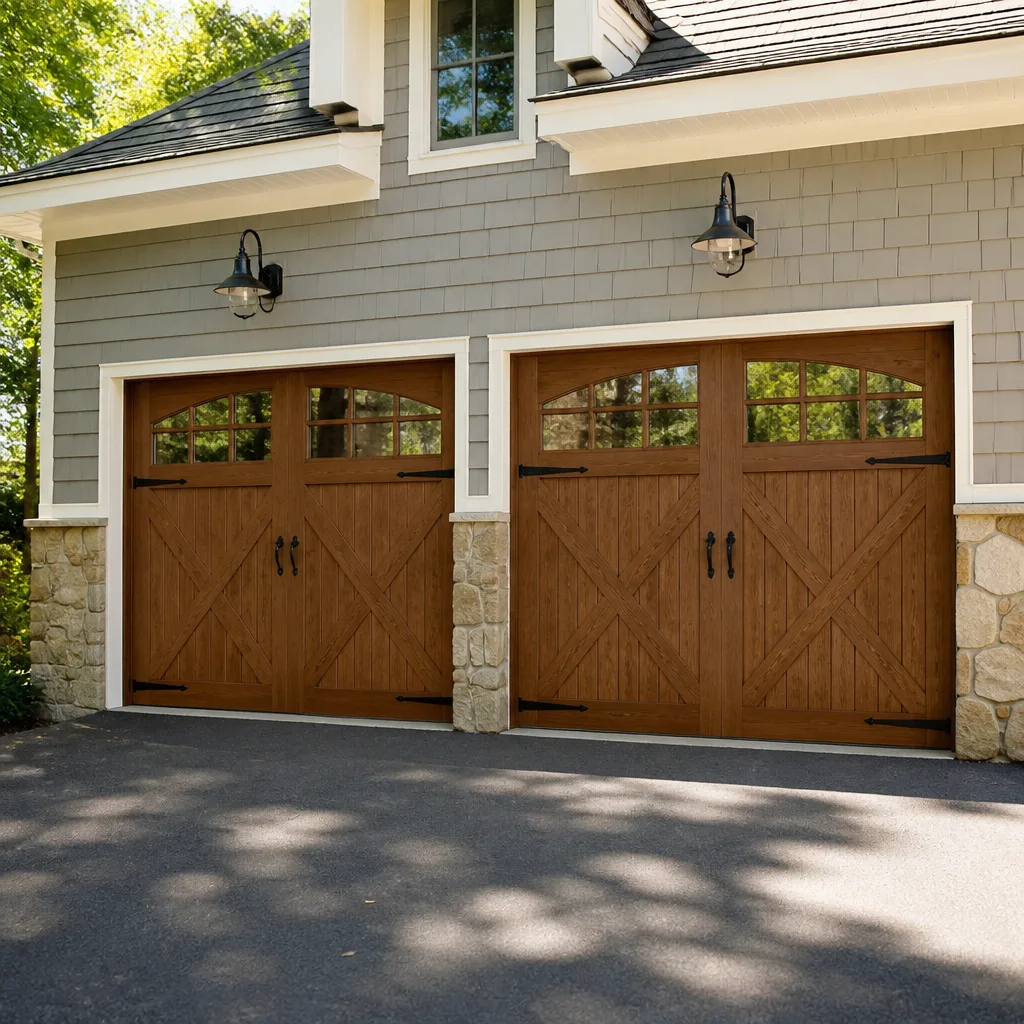 Carriage house
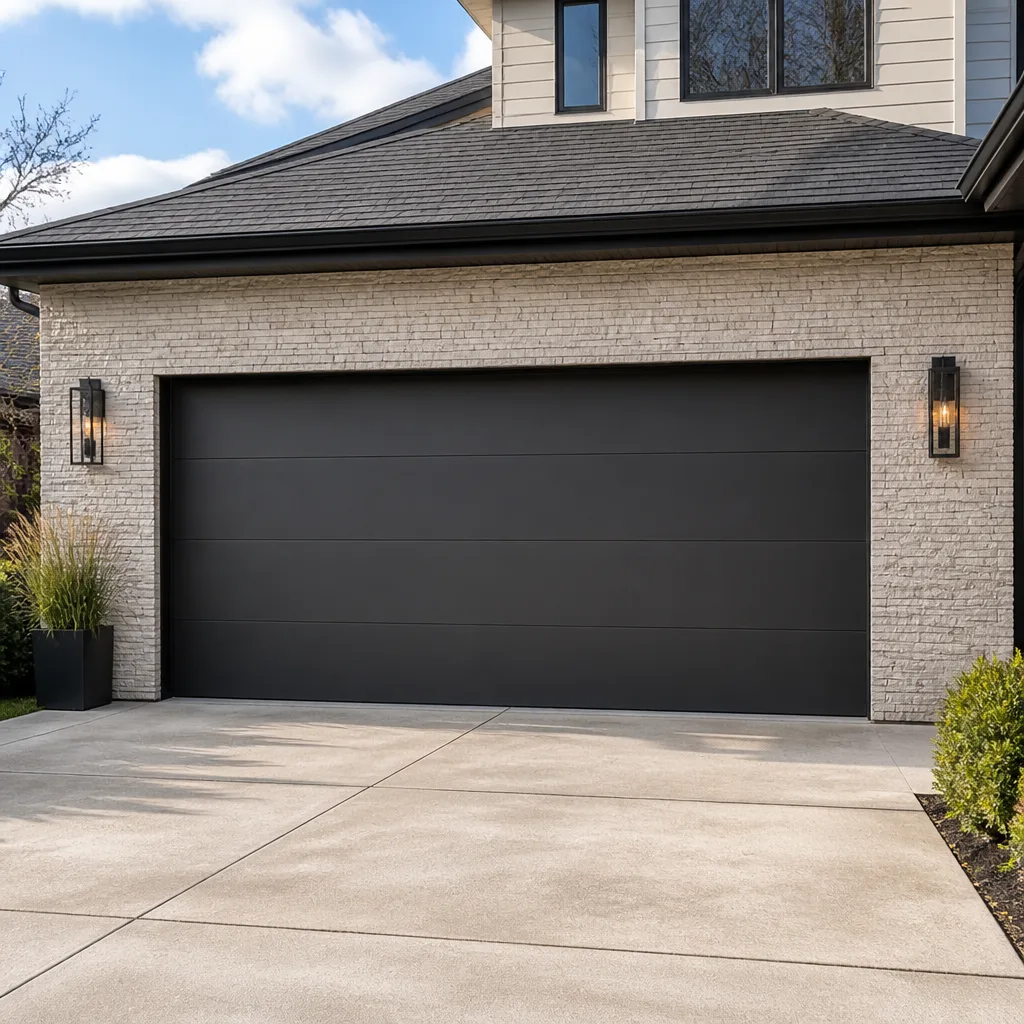 Modern flush
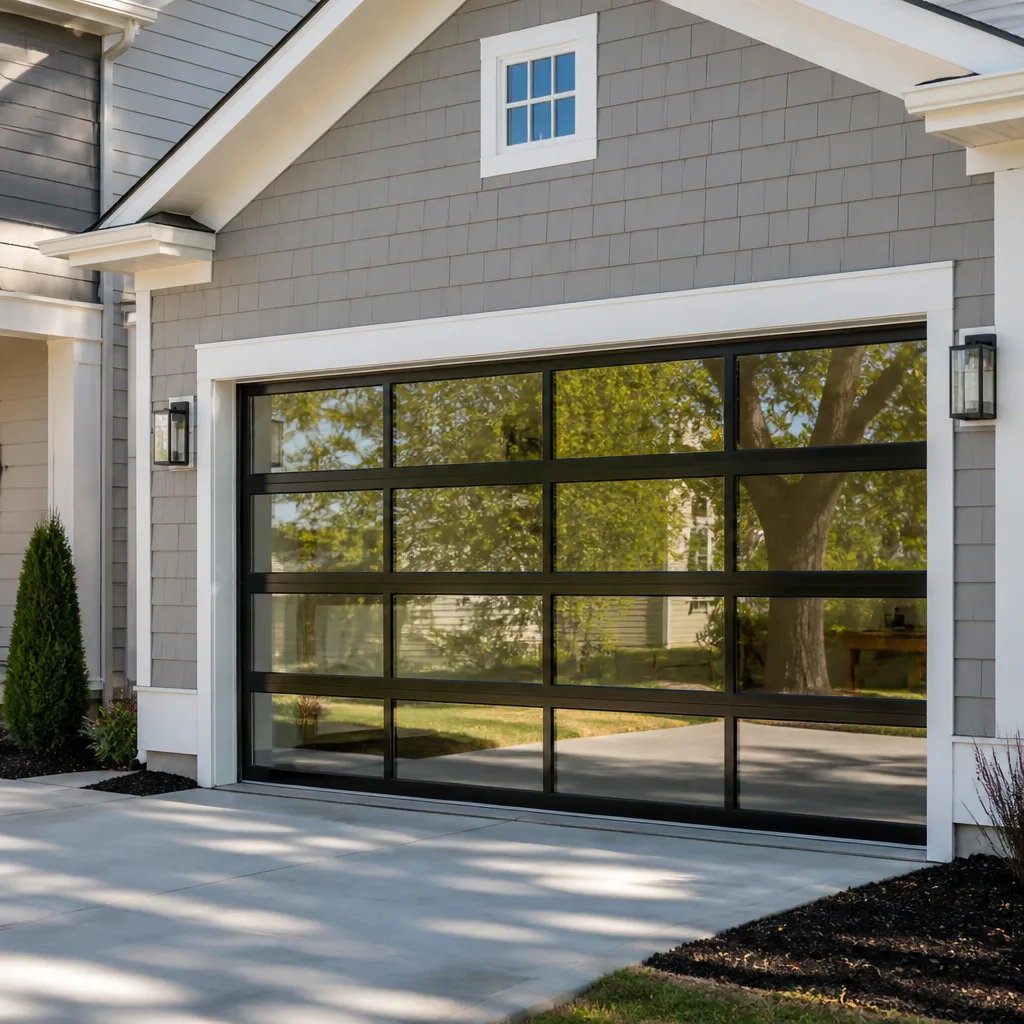 Full-view glass
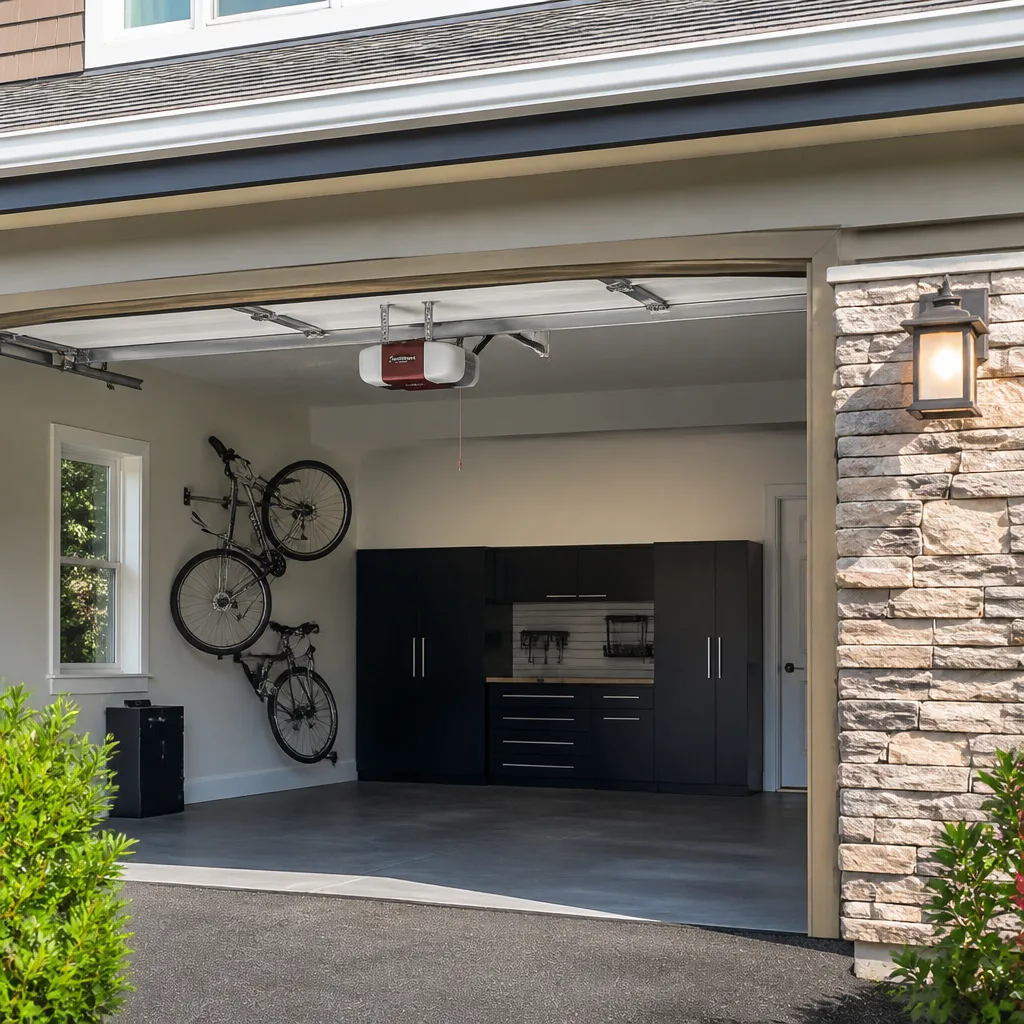 LiftMaster openers
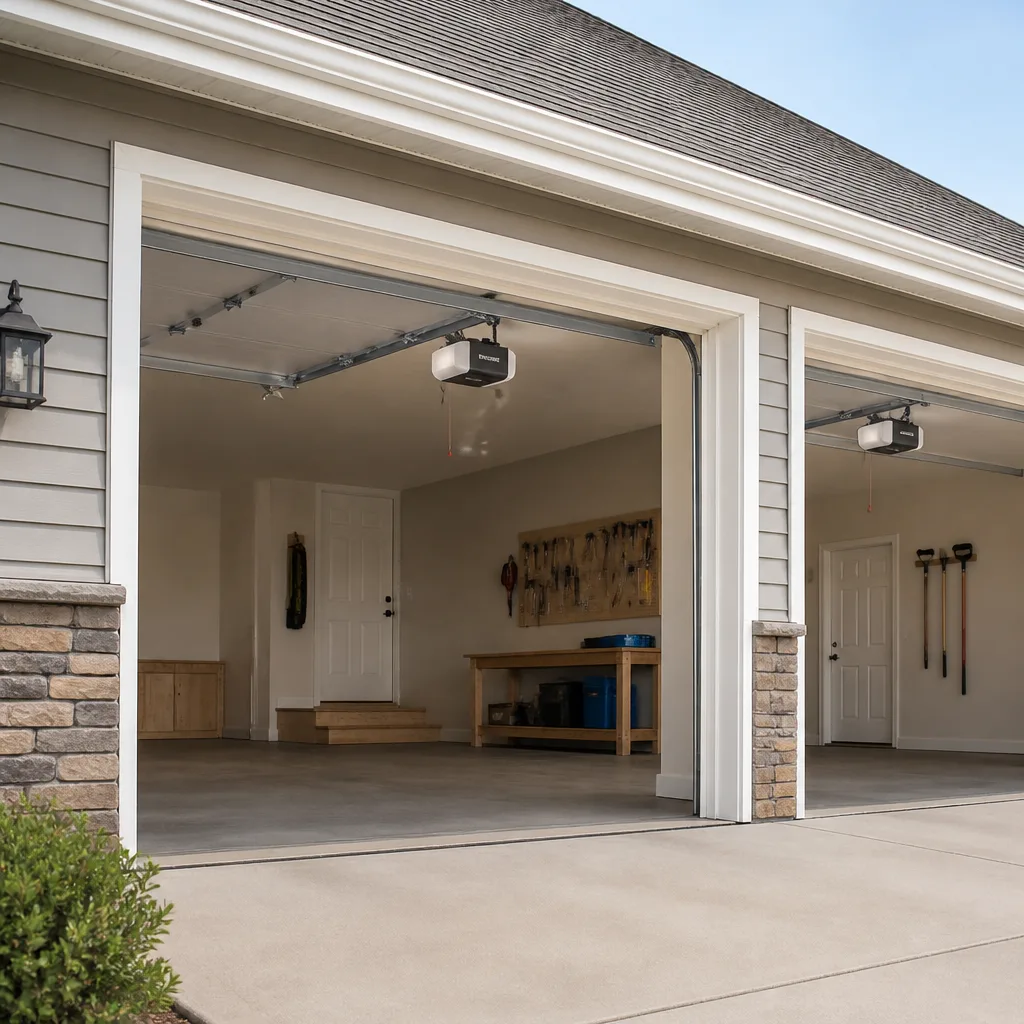 Chamberlain openers
Full 25-point door and opener safety check with every visit - springs, cables, rollers, tracks, and your LiftMaster or Chamberlain opener included
You get a price before we start. It does not change when the pro arrives.
Get your free estimateChoosing the Right Garage Door Brand: A Buyer’s Guide for Pawtucket
The highest-rated garage door brand in the country can be the wrong door for your house. Brand reputation is built on national averages, not on your narrow opening, your 1960s frame, or the way a Pawtucket winter works on a steel panel for four months straight. That’s the trap in most brand guides: they rank doors like cars on a spec sheet and ignore the building the door actually has to hang on. This guide treats brand choice as a compatibility problem. You’ll learn how to read gauge and corrosion specs, which brands ship fastest in the Providence metro, what warranties really protect, and when a higher insulation tier pays for itself. We’ll keep it grounded in Pawtucket the whole way.
Quick Answer
The right garage door brand for a Pawtucket home is the one whose panel gauge, finish, and parts network match your opening size and the humidity your garage actually sees, not the one with the best national reviews. In practice that usually means a mid-tier steel door from a manufacturer with fast local parts availability (often Clopay, Amarr, or Wayne Dalton) paired with a name-brand opener that a local technician can service. Get a free measure first, then compare brands against your openings and climate, not the other way around.
Styles & brands we work with
- Raised-panel steel
- Carriage house
- Modern flush
- Full-view glass
- LiftMaster openers
- Chamberlain openers
Table of Contents
- Why Brand Fit Matters More Than Brand Ranking
- How to Judge a Brand’s Corrosion Resistance for Rhode Island Humidity
- Local Parts Availability in the Providence Metro
- Steel Gauge: Where the Real Performance Gap Is
- Manufacturer vs. Installer Warranties: What That Means for a Claim
- Insulation and R-Value in an Attached Garage
- Matching Your Door Brand to Your Opener Brand
- How to Start: A Measure-First Buying Process
Why Brand Fit Matters More Than Brand Ranking
A garage door is a fitted product, not a boxed one. The same Clopay model can be an excellent match for one house on the East Side and a poor one for a triple-decker near the Woodlawn neighborhood, depending on opening width, headroom, and how the frame was built. National rankings rarely ask those questions.
Pawtucket’s housing stock makes this sharper than in most places. The city has a deep inventory of older homes: mill-era triple-deckers, 1920s bungalows, and post-war ranches. Many of those garages were built when openings were sized for a car from a different era, and they’re often narrower, shorter, or framed with less headroom than a modern standard door expects. Some frames have settled and were never shimmed square afterward.
A brand that stocks a huge range of custom sizes can solve that problem. A brand with a narrow catalog and long lead times on special orders can turn a routine replacement into a season-long wait.
What “fit” actually means in a Pawtucket garage
- Opening dimensions. Standard widths don’t cover every older Pawtucket frame. Measure, don’t assume.
- Headroom and backroom. Low-headroom garages may need a low-profile track or a different door style entirely.
- Frame condition. Rot, settlement, and out-of-square openings are common in older builds and change what door type makes sense.
- Exposure. A garage that faces a wind-driven direction wears its finish faster than a sheltered one on the same street.
The takeaway is simple: rank brands second and fit first. Start with a free measure, then narrow the brand list to what actually fits your opening and your climate before you compare a single price. When you’re ready to talk about the door and opener together, our Garage Door Repair Pawtucket team can walk your options with you.
How to Judge a Brand’s Corrosion Resistance for Rhode Island Humidity
Rhode Island’s humidity is the quiet enemy of a steel garage door. The combination of humid summers, cold winters, and freeze-thaw cycles works on the bottom section, the hinges, and any place the paint has been cut by a stone chip. Brand marketing leans hard on the word “galvanized,” and that word does not mean the same thing across manufacturers.
In practice, galvanized refers to a zinc coating applied to the steel before it’s painted. More zinc means more protection. Marketing copy often names the coating without saying how thick it is, which is the number that matters. A door with a light zinc coating and a thin paint layer will start showing rust at the bottom edge faster than a door with a heavier coating and a properly baked finish.
What to actually check in a corrosion spec
- Coating thickness, if stated. If a brand publishes a zinc coating weight or thickness, compare it. If they won’t say, that’s a data point too.
- Paint system. Factory-baked finishes hold up far better than field-painted touch-ups. Look for a primer plus topcoat, not just a single coat.
- Bottom section detail. Ask how the bottom seal and section edges are finished. That’s where water sits.
- Hardware material. Hinges and rollers on builder-grade doors are often plain steel. Stainless or galvanized hardware costs a little more and lasts considerably longer in a humid garage.
- Color choice. Lighter finishes hide the early staining that darker ones exaggerate, and they don’t soak up heat in summer.
We’ve seen more rust problems start at the bottom section of a door than anywhere else, and it’s rarely the door’s fault alone. Bad drainage in the apron and a worn bottom seal accelerate the damage. A brand with a well-sealed bottom section and replaceable seal is easier to keep ahead of the corrosion curve in a Pawtucket garage.
Local Parts Availability in the Providence Metro
Door quality means nothing if a replacement panel takes six weeks to arrive. This is the single most overlooked factor in brand selection, and it hits hardest when a door is damaged, not when it’s being installed.
The Providence metro has good parts access for the biggest residential brands: Clopay, Amarr, Wayne Dalton, and the opener names LiftMaster, Chamberlain, Genie, and Craftsman. That doesn’t mean every distributor stocks every model. It means the brands with deep regional dealer networks tend to have panels, springs, rollers, and opener parts closer to Pawtucket than a boutique brand that ships from one warehouse.
How to check parts availability before you buy
- Ask which brands the installer can service, not just install. Those are often the same list. A brand your installer can order panels for is a brand you can live with.
- Ask about panel lead times. A repair often needs a single section, not a whole door. Confirm the section can be ordered.
- Check model continuity. Some brands discontinue colors and profiles after a few years. A popular profile is easier to match later.
- Confirm opener parts. Common opener brands mean faster repairs when a logic board or gear fails.
For repair work specifically, this matters more than the door brand. When a panel is dented or a spring snaps, the question is whether the part is in the region or on a container ship. Our garage door repair service works across all the major residential brands, which is the practical reason a mixed-brand door and opener setup doesn’t slow the job down.
Steel Gauge: Where the Real Performance Gap Is
Steel gauge is the number that separates a door built to last from a door built to a price. Lower gauge means thicker steel. A 24-gauge door is meaningfully thinner than a 25- or 27-gauge door, and the difference shows up in dent resistance, how the door feels in wind, and how long it holds its shape.
Builder-grade doors are often built at a lighter gauge. Mid-tier doors are typically heavier. Here’s the part most guides get wrong: the meaningful performance gap is between the thinnest builder-grade steel and the mid-tier, not between the mid-tier and the top tier. Beyond a certain point, extra thickness is largely marketing. The real jump in feel and durability comes one tier up from builder grade.
Where the gap shows up in a Pawtucket garage
- Dent resistance. Light-gauge panels ding easily in a tight garage where a bike or trash can lives near the door.
- Wind and shape. A heavier panel holds its profile in a gust and moves less in the tracks.
- Insulation stability. Heavier steel holds insulation panels better and bows less between stiles.
- Hardware longevity. A rigid door stresses hinges and rollers less over time.
Ask the installer for the gauge on any quote, and ask what gauge the builder-grade option is for comparison. If a brand won’t put the gauge in writing, that tells you where it lands. A mid-tier insulated door is the sweet spot for most Pawtucket homes: heavier steel, better finish, and a price that stops short of premium decorative doors. A small price difference at the bottom of the range often buys you a noticeably stronger door.
Manufacturer vs. Installer Warranties: What That Means for a Claim
A garage door warranty is only as good as the party backing it. That’s a real distinction to understand before you buy, because the two warranties on a door protect different things. A manufacturer warranty usually covers the product itself: the steel, the finish, the hardware, sometimes the springs. An installer warranty or workmanship warranty usually covers the install: correct track alignment, secure anchors, proper spring tension, and the door operating smoothly as set up.
How to read the warranty before you sign
- Identify who backs it. Is the finish warranty from the manufacturer or promised verbally by the seller?
- Check the term and the item. Finish warranties are often longer than mechanical warranties. Springs sometimes have a separate, shorter term.
- Look for exclusions. A warranty that voids on a repaint, a non-approved part, or a small installation detail is worth less than it appears.
- Confirm the claim path. If a panel fails, who do you call? A manufacturer claim through a separate installer can take longer than a manufacturer-backed claim handled by the installer who placed the door.
- Keep the paperwork. The written estimate and confirmation of the exact model, color, and gauge are your proof if you ever claim.
The practical guidance: prefer a brand whose manufacturer warranty is properly registered and whose installer can initiate the claim. A national warranty on paper is worth very little if there’s no local party to process it in the Providence metro.
Insulation and R-Value in an Attached Garage
If your garage shares a wall with the house, insulation on the door is doing real work. In New England’s climate, an attached garage with an uninsulated door acts as a heat sink for the adjacent rooms. A well-insulated door slows that loss and makes the garage space itself more usable in winter.
R-value is the measure of resistance to heat flow. Non-insulated doors are often near the bottom of the scale. Basic insulated doors add a meaningful layer. Premium insulated doors can go considerably higher, often with polyurethane instead of polystyrene and a tighter section joint. The higher the number, the less heat moves through the panel, but returns diminish.
When upgrading insulation tier is worth it
- Attached garage with a room above. Insulation pays back fastest here, because the room above feels the difference.
- Garage used as a workspace or gym. Comfort matters as much as heat loss.
- Heated or semi-heated garage. A well-insulated door is a precondition for keeping the space warm economically.
- Facing a direction that takes the wind. More insulation buffers the noise and draft.
When it isn’t worth it: a detached, unheated shed garage used only for storage. There, a heavier-gauge non-insulated door with a strong finish is often the better value. Talk through your specific garage layout with the installer; R-value is a real number but only one input.
Matching Your Door Brand to Your Opener Brand
Your door and your opener are a system, and brand compatibility matters less than how the two are matched in weight and balance. A heavy insulated door paired with an under-rated opener burns out sooner, whatever the brand. A well-balanced door of any brand works with most modern openers.
The opener landscape splits roughly into legacy mechanical systems and modern smart-home systems. Craftsman and Genie units are common in older Pawtucket homes and can often be repaired rather than replaced. LiftMaster and Chamberlain (myQ) systems dominate the modern smart-home side. When you’re choosing a door, factor in which opener you have or plan to buy.
Match the door to the opener
- Check the opener’s lifting capacity. Made for a light door or a heavy one? That rating sets your ceiling.
- Confirm safety features. Modern openers need functioning safety sensors and, on some, a reversing system. Any door replacement should keep those.
- Balance first. Spring balance determines how hard the opener has to work. Heavy doors need properly sized springs.
- Match smart features. If you want app control or home automation, pick an opener brand with an ecosystem you trust.
When the opener is failing, our garage door opener repair service covers both the legacy mechanical units and the current smart-home systems, so you’re not forced to replace a whole opener just because one part failed. And if a spring is at the root of the problem, garage door spring repair is a safety-critical job that should always be handled by a trained technician. If the door won’t open at all, our team can advise on emergency service for a Pawtucket home.
How to Start: A Measure-First Buying Process
Most homeowners start brand shopping before they’ve measured anything. That’s backward. Start with the opening, the frame, and the climate exposure, and the brand shortlist writes itself.
The step-by-step process
- Get a free measure. Have a technician measure your opening, headroom, backroom, and frame condition. This is the input for everything else.
- Note the exposure. Which direction does the door face? Is the garage attached or detached? Is the apron draining well?
- Set your priorities. Is this a builder-grade replacement, a mid-tier upgrade, or a premium decorative door? Insulation, gauge, and finish come next.
- Shortlist brands that fit your opening. Keep the ones with regional parts availability. Drop the ones that can’t supply your size or your sections.
- Compare warranties and gauges. Ask for gauge and warranty terms in writing on each quote.
- Get your written estimate. The final price is the written quote, not the teaser number.
Our technicians have up to 9 years of experience working across the major residential brands, so a measure visit usually doubles as a brand-fit consultation. The written price you sign is the price that holds.
Common Mistakes to Avoid
- Buying on national rankings alone. A brand’s national reputation says nothing about whether it fits your specific opening in Pawtucket. Fit and parts availability come first.
- Ignoring the frame condition. Older homes in Pawtucket often have frames that have settled. A new door hung on an out-of-square frame wears its tracks and rollers prematurely.
- Skipping the gauge question. A builder-grade door hides behind a nice finish. Ask for the gauge in writing, or you don’t know what you’re buying.
- Choosing a brand with slow parts. A single panel replacement on a slow-shipping brand can leave your garage open for weeks. Confirm regional access before you buy.
- Assuming the warranty covers everything. Manufacturer warranties and workmanship warranties cover different things. Read both before you sign.
- Over-insulating a detached shed. A high R-value on an unconditioned, detached garage rarely pays back. Put the budget into gauge and finish instead.
- Not balancing the door to the opener. A heavy door on an under-rated opener is a repair waiting to happen. Match the system, not just the brand name.
See the difference
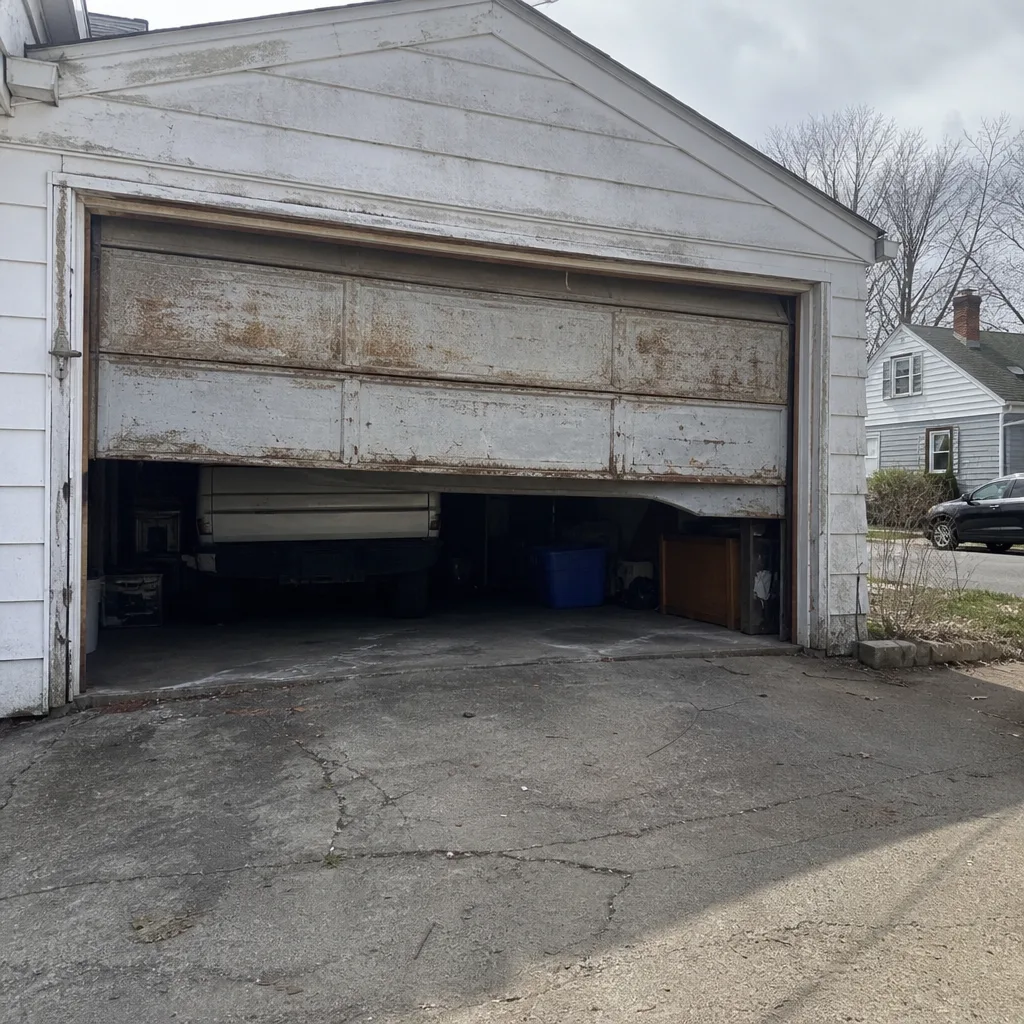 Before
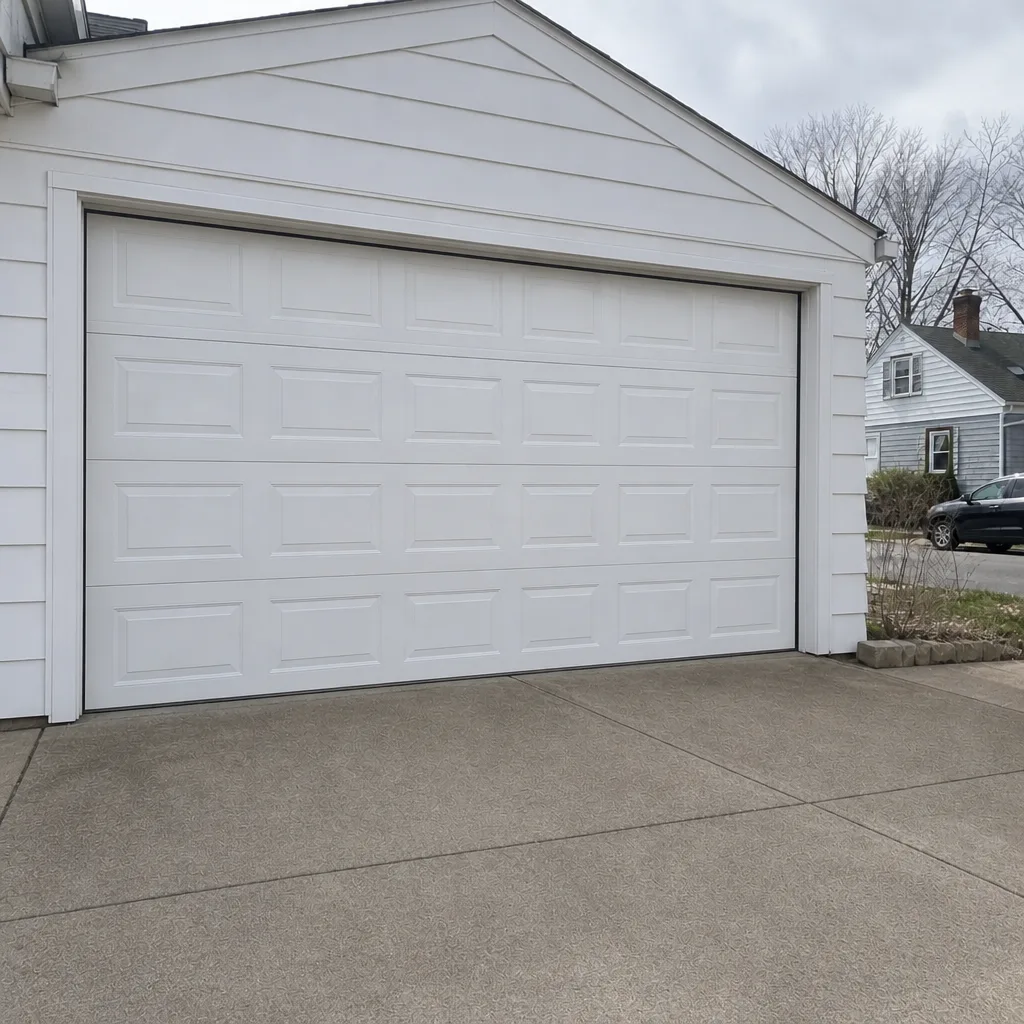 After
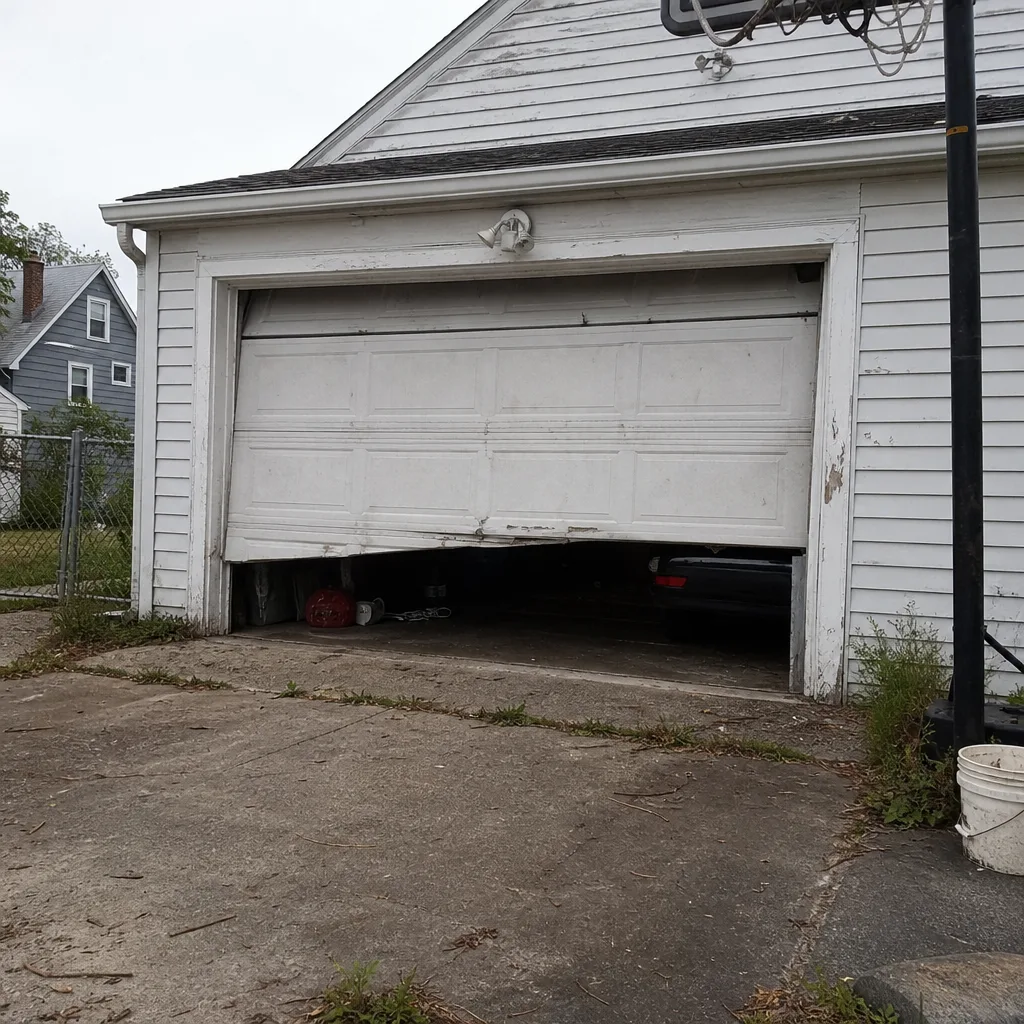 Before
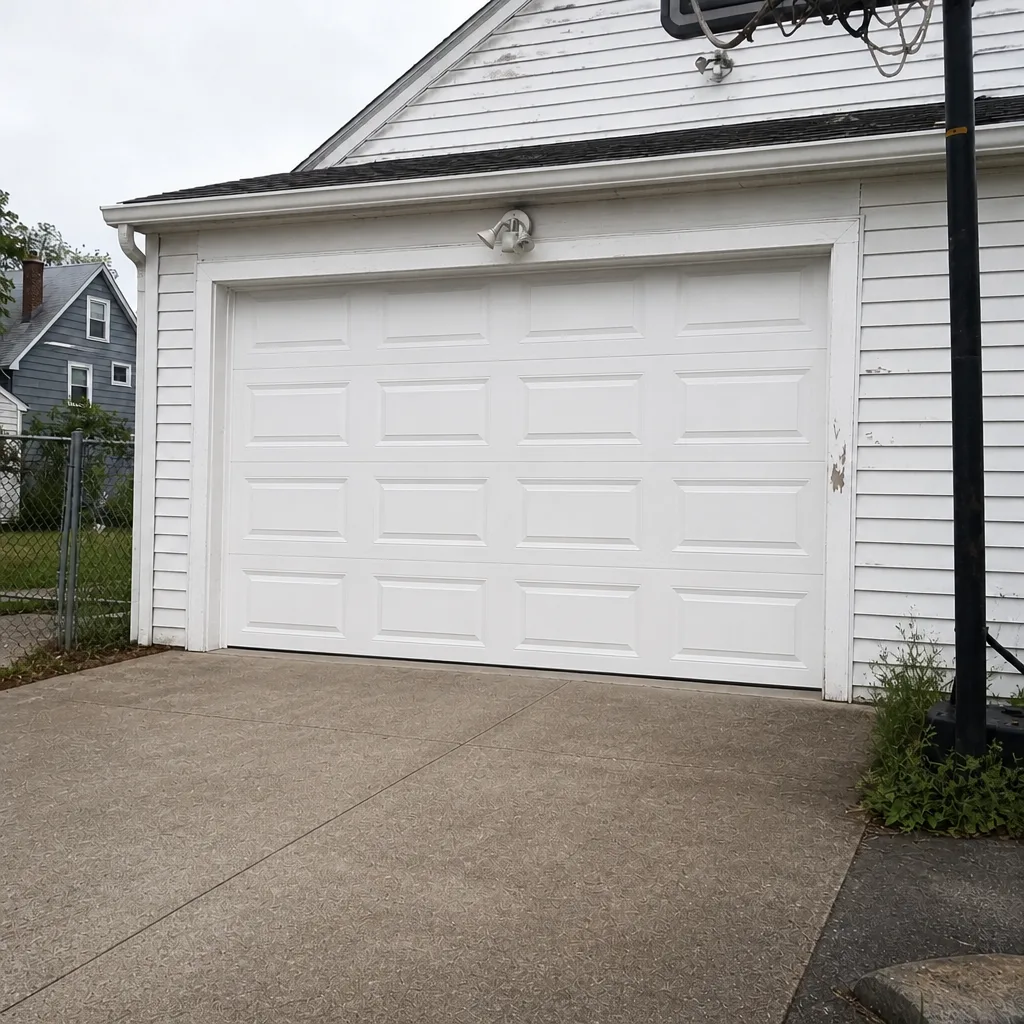 After
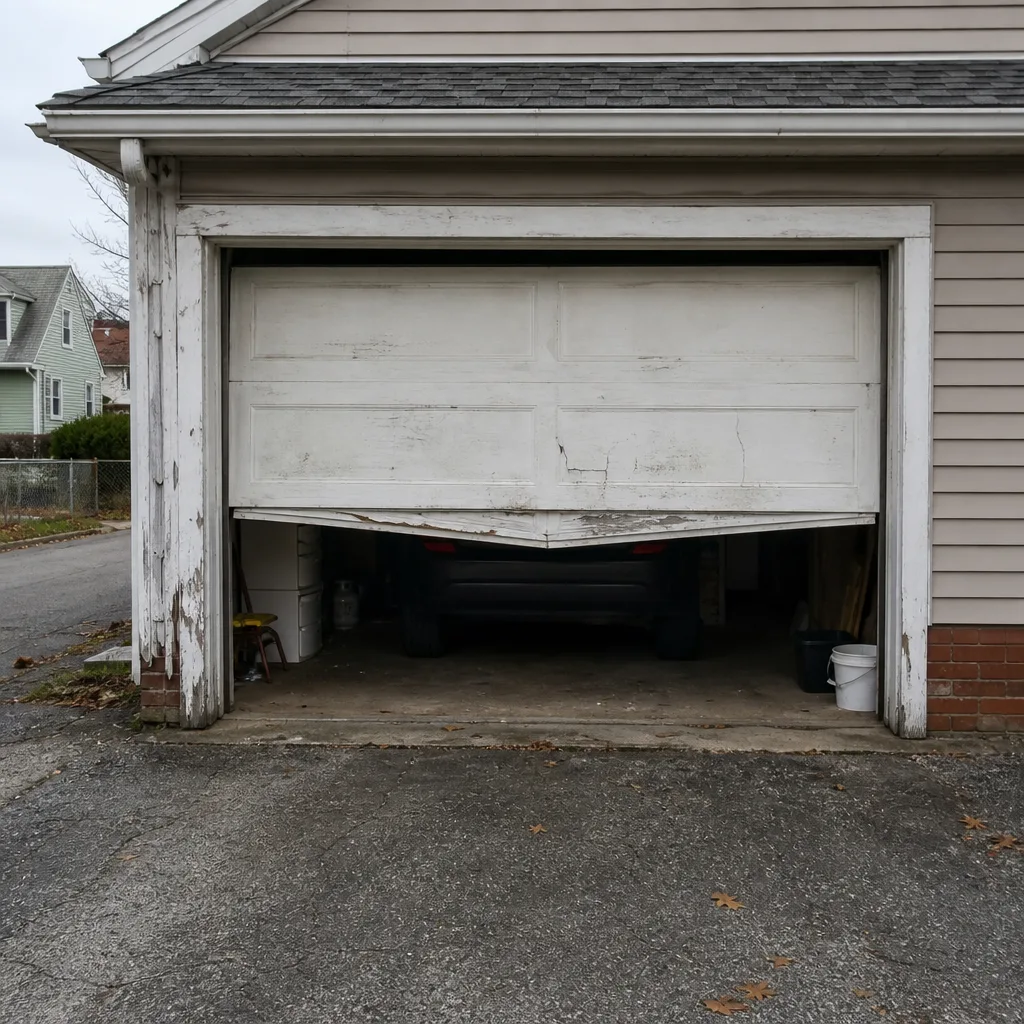 Before
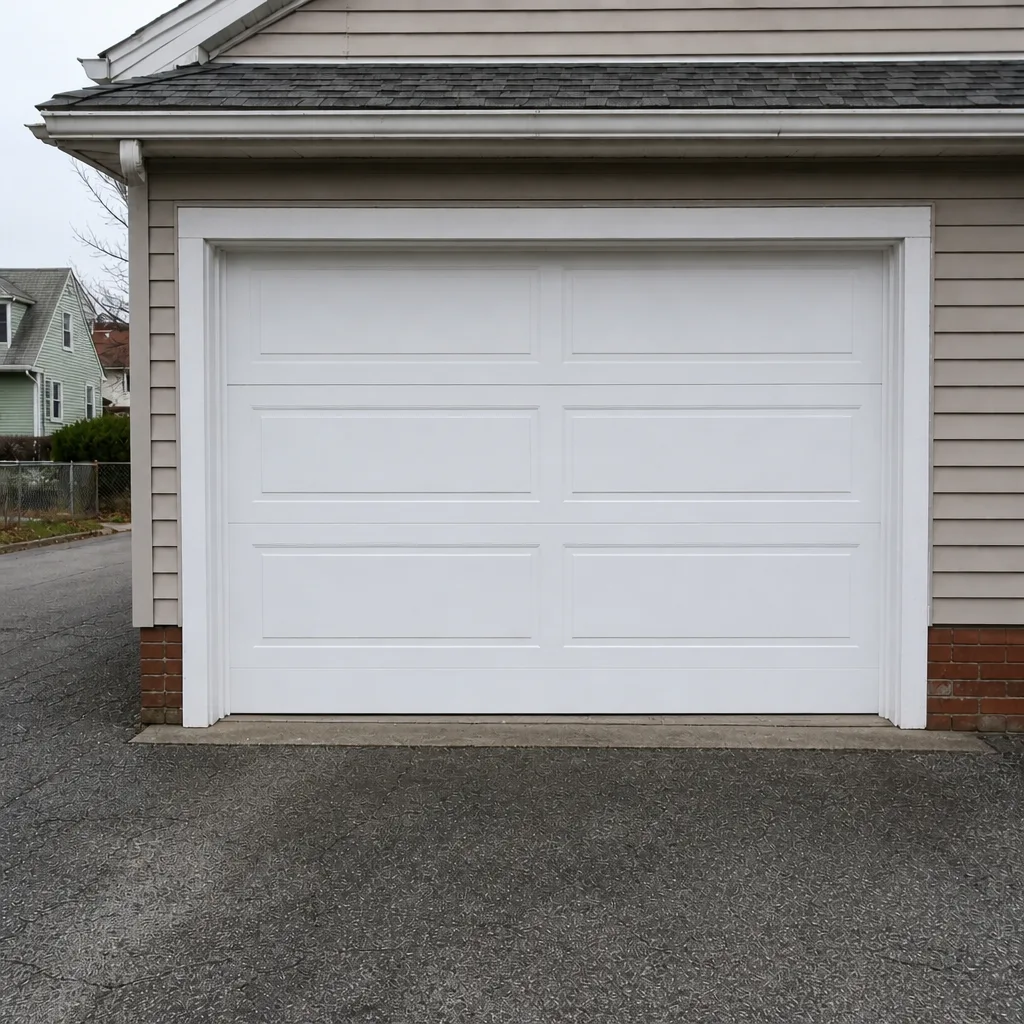 After
When to Call a Professional
Call a trained technician if a spring has broken, if the door won’t open or close fully, or if the door is off its tracks. These are the situations where a wrong step can injure someone, and the springs carry enough stored energy to cause serious harm. Call us when a panel is damaged and you need to know whether the brand can supply a matching section. Call us when you’re deciding between repairing the door and replacing it, or when you’re ready for a free measure on a new door. Garage Door Repair Pawtucket offers free estimates in Pawtucket – call (855) 658-5250. Our technicians have up to 9 years of experience across the major residential brands, and the estimate is quoted and agreed before any work starts.
Frequently Asked Questions
For most Pawtucket homes, the best fit is a mid-tier steel door from a manufacturer with fast regional parts availability, often Clopay, Amarr, or Wayne Dalton, paired with a well-matched opener from LiftMaster, Chamberlain, or Genie. “Best” depends on your opening size, frame condition, and insulation needs, not on a national ranking. Call (855) 658-5250 for a free measure and an exact recommendation.
Aim for a heavier gauge than builder grade: the jump from the thinnest builder-grade steel to a mid-tier door is the one that pays off in dent resistance and longevity. Ask the installer to put the gauge in writing on the quote. Call (855) 658-5250 and we’ll compare gauges on the doors that fit your opening.
The brands with deep regional dealer networks, particularly Clopay, Amarr, Wayne Dalton, and the major opener brands LiftMaster, Chamberlain, Genie, and Craftsman, tend to have panels, springs, and opener parts closer to Pawtucket. A fast-shipping brand means a panel replacement doesn’t take weeks. Call (855) 658-5250 to check what’s in the region for your door.
Yes, if the garage is attached and shares a wall with the house, especially with a room above it. In New England’s climate, an insulated door slows heat loss from the adjacent rooms and makes the garage more usable in winter. A detached, unheated garage gets less return. Call (855) 658-5250 to talk through R-value options for your garage.
Often both, but they cover different things. The manufacturer typically warrants the product (steel, finish, hardware), and the installer warrants the workmanship (alignment, anchors, tension, setup). Confirm both in writing before you sign. Call (855) 658-5250 if you’d like help reading the warranty terms on a quote.
Yes. We service the major residential door and opener brands, including Clopay, Amarr, Wayne Dalton, LiftMaster, Chamberlain, Genie, and Craftsman, whether or not we installed the door. Call (855) 658-5250 for an estimate on any brand-specific repair.
The Bottom Line
Brand choice in a Pawtucket garage is a compatibility problem, not a popularity contest. Start with the opening, the frame, and the climate your garage sees. Narrow to brands with fast regional parts availability in the Providence metro. Ask for gauge and warranty terms in writing. Match the door to the opener. And choose insulation based on whether the garage is attached and how you use the space. Do those things and you’ll get a door that fits your home and lasts, instead of one that reads well on a spec sheet and ages badly in a Rhode Island winter.
Our team works on all the major residential brands, and we handle the full lifecycle from the measure to the install. Call (855) 658-5250 for a free estimate on your door or opener.
Written by the team at Garage Door Repair Pawtucket.