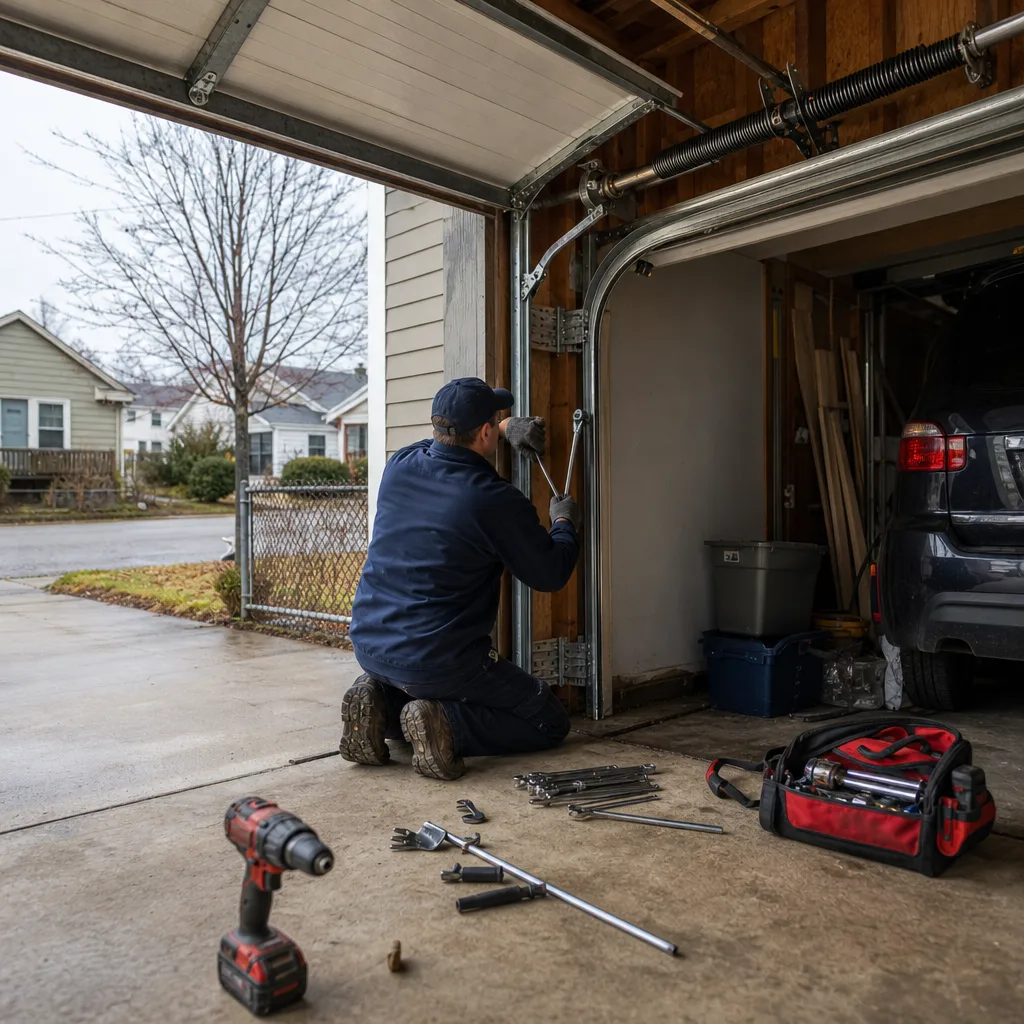
Last updated November 23, 2026
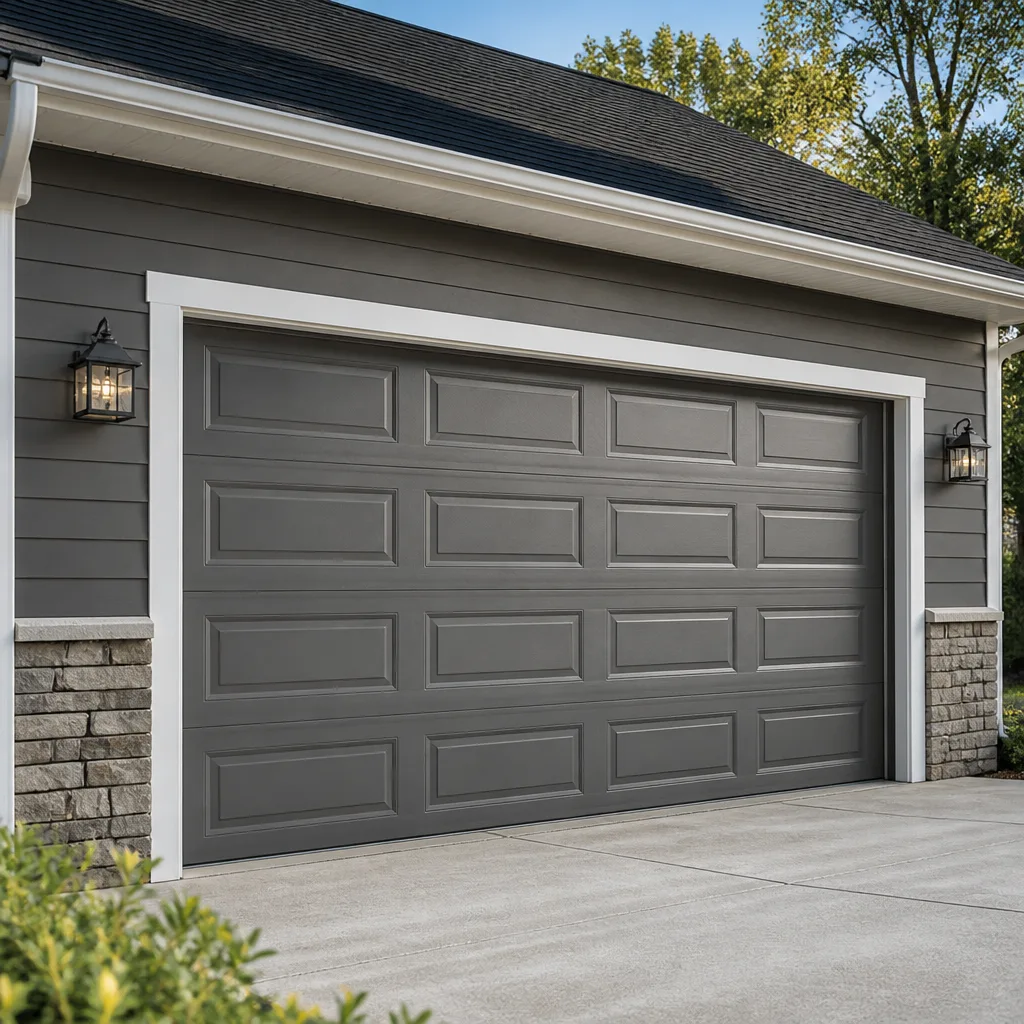 Raised-panel steel
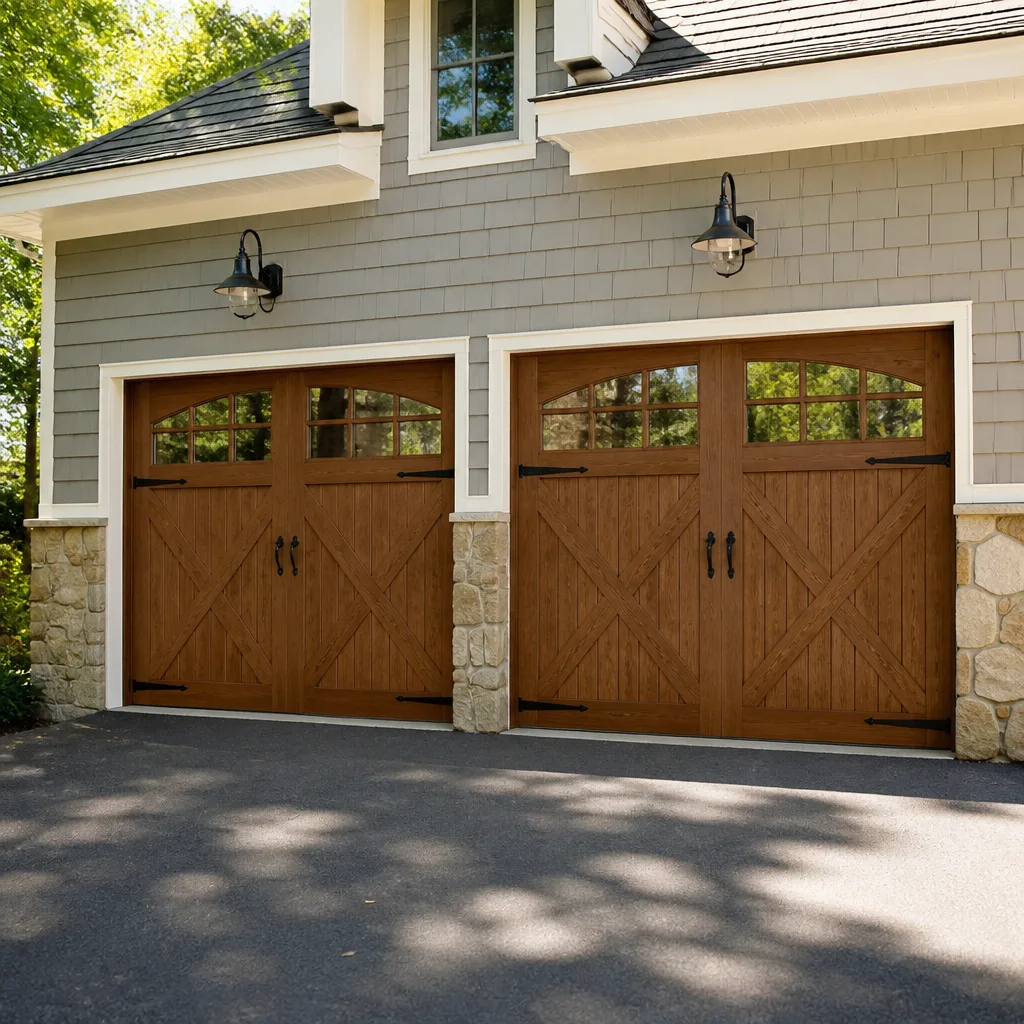 Carriage house
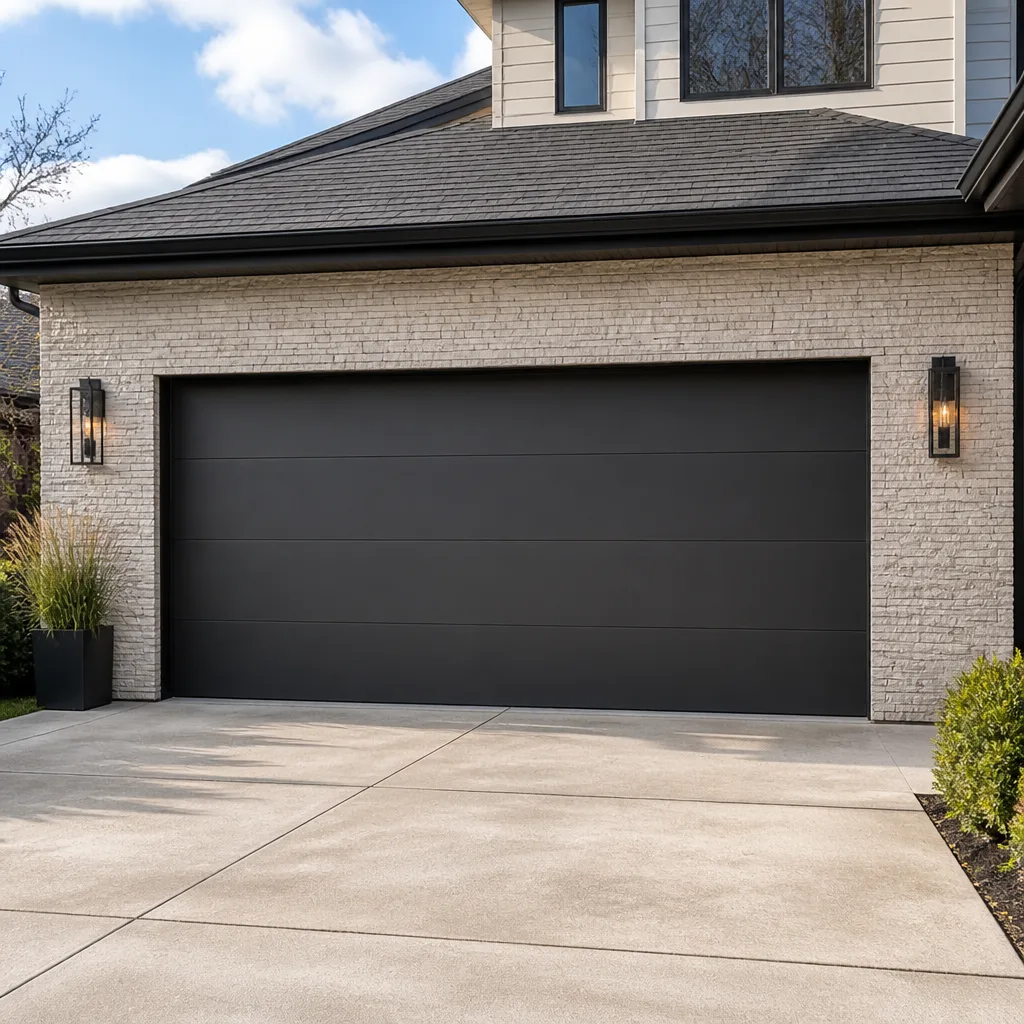 Modern flush
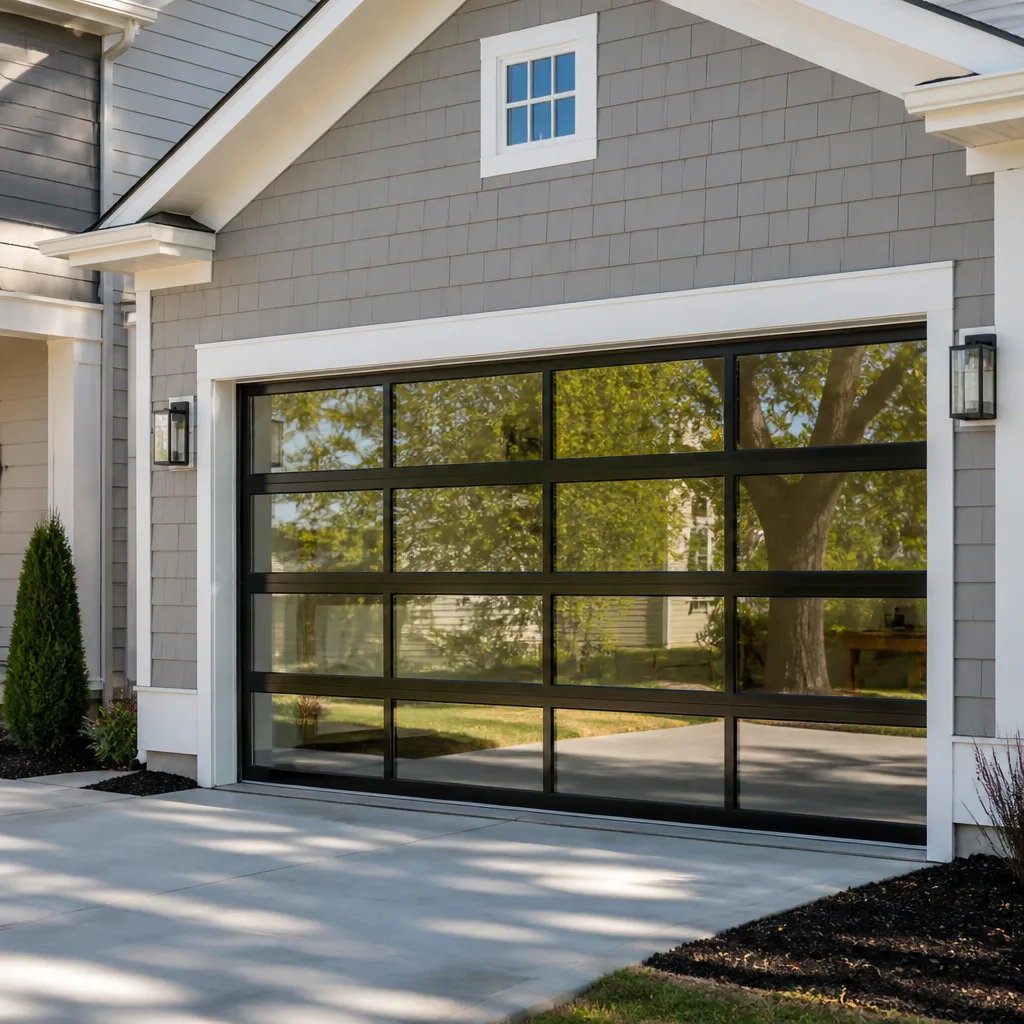 Full-view glass
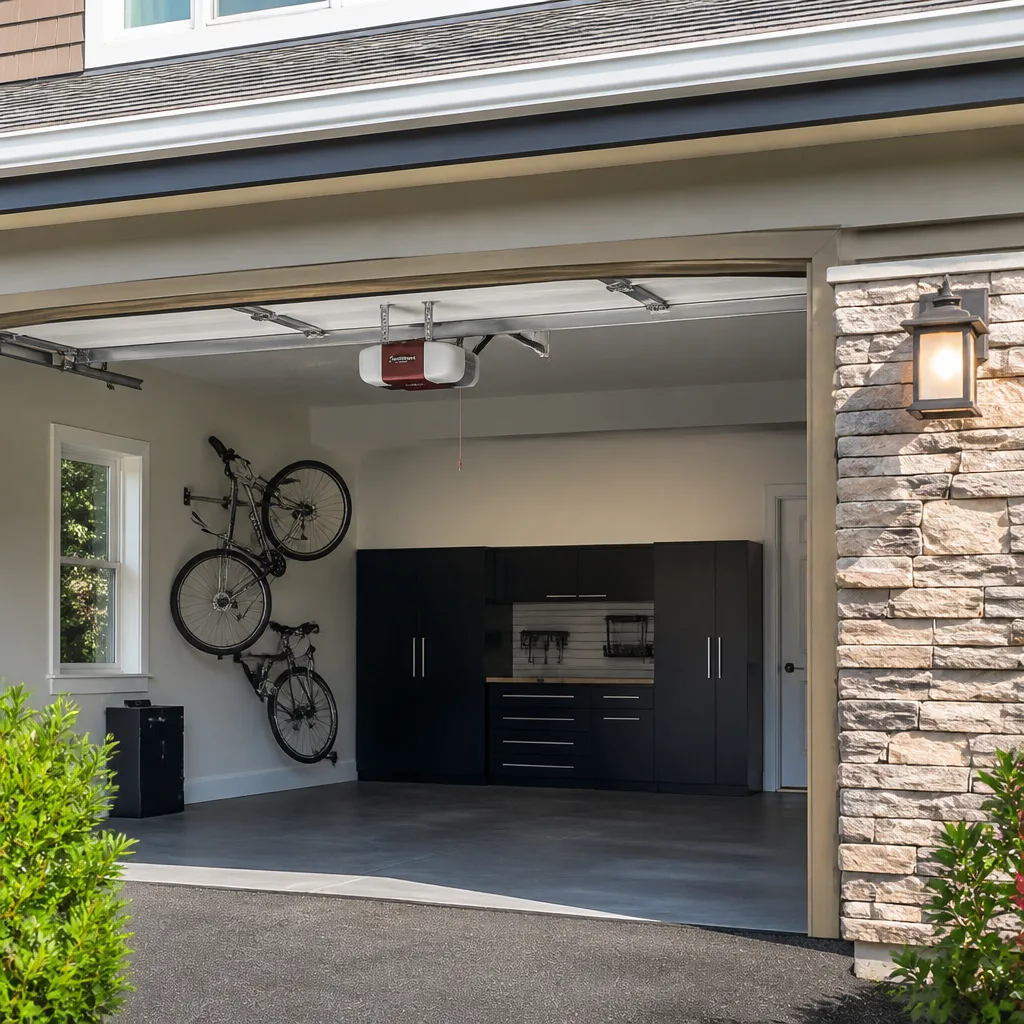 LiftMaster openers
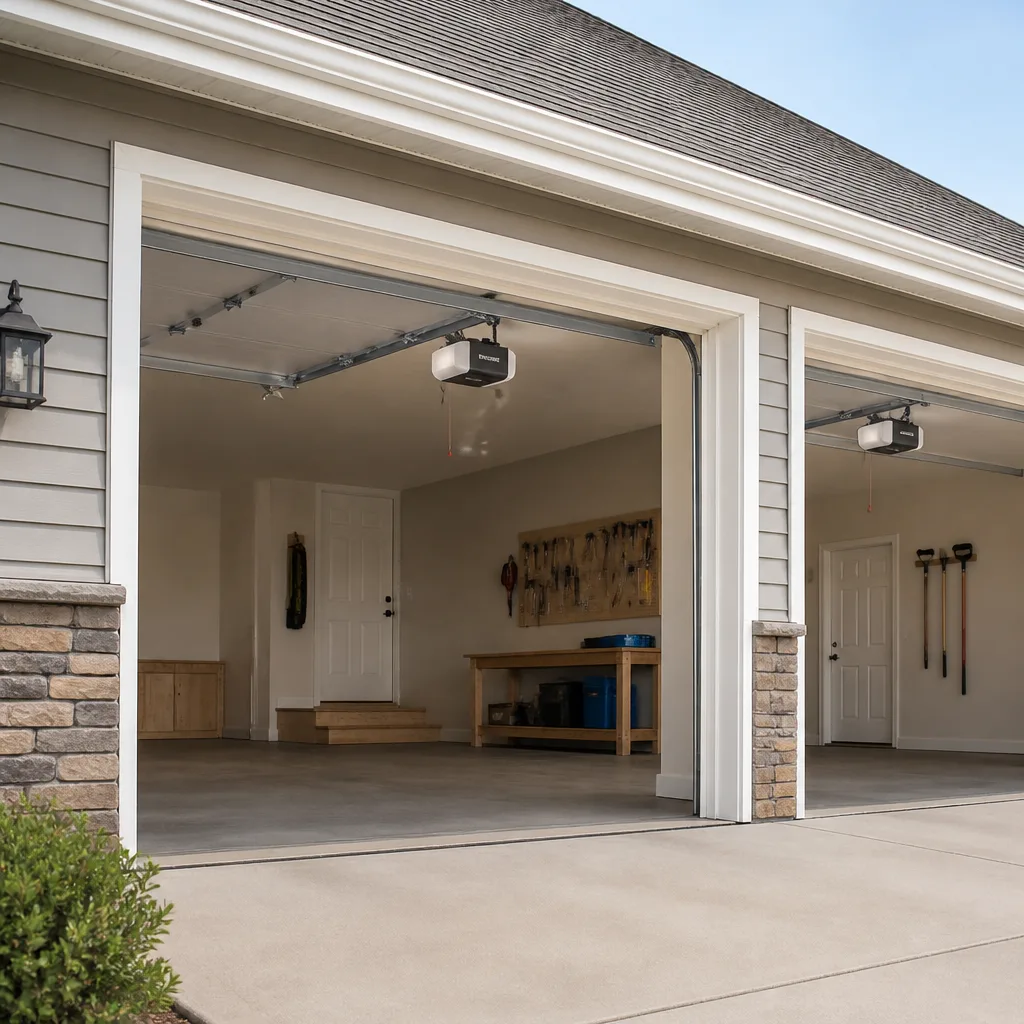 Chamberlain openers
Full 25-point door and opener safety check with every visit - springs, cables, rollers, tracks, and your LiftMaster or Chamberlain opener included
You get a price before we start. It does not change when the pro arrives.
Get your free estimateHow to Hire a Garage Door Contractor in Pawtucket: A Step-by-Step Guide
Most homeowners compare garage door bids by the bottom line, then pick the lowest. That’s the wrong screen. A garage door is a balanced mechanical system with high-tension springs, cables, rollers, hinges and an opener that has to match the door’s weight and travel. The contractor who can re-hang a door doesn’t automatically understand spring tensioning, opener torque requirements or load balancing, and those three things decide whether a repair holds or fails within a season. This guide teaches you to screen for depth rather than price, walking through the questions to ask, the licensing to verify, and the quote language that protects you. Pawtucket homeowners face a particular mix of older housing stock and humid summers, so the details matter here.
Quick Answer
To hire a garage door contractor in Pawtucket, verify Rhode Island licensing and insurance first, then ask five technical questions about spring tensioning, load balancing, opener torque matching, part grades and warranty terms. A quote that itemizes parts and labor separately, states a written warranty, and quotes a fixed price before work starts is a better signal than a low bid. Hire the specialist who can explain the system, not the generalist who treats it as a side job.
Styles & brands we work with
- Raised-panel steel
- Carriage house
- Modern flush
- Full-view glass
- LiftMaster openers
- Chamberlain openers
Table of Contents
- Why a Garage Door Needs a Specialist, Not a Handyman
- What Rhode Island Licensing Covers and How to Verify It Fast
- The Five Technical Questions to Ask Before Any Quote
- How to Read a Quote: Parts, Labor and Red Flags
- Contractor-Grade vs Manufacturer-Spec Parts: What the Price Difference Buys
- What a Written Warranty Should Actually Say
- What Makes Pawtucket Garage Doors Different
- How to Compare Three Bids Without Getting Burned
Why a Garage Door Needs a Specialist, Not a Handyman
Yes, a handyman can swap a broken hinge or tighten a loose bracket. But a garage door is not a set of independent parts. It’s a counterweight system: the springs balance the door’s weight so a 150-pound panel can be lifted by a small opener or one hand. Get the spring winding wrong by a quarter-turn, and the door either slams down or won’t open. Get the opener torque wrong, and the motor burns out or the door strain cracks the sections.
Those are the jobs a specialist understands as a system. In our experience, the repairs that fail early almost always trace back to one mistake: treating the door as a single malfunction to fix rather than a balance to restore.
What a true specialist brings to a Pawtucket job:
- Spring tensioning: close attention to the correct wind for the door’s weight, not a guess based on spring color alone.
- Load balancing: every repair ends with the door lifting smoothly by hand, not straining the opener.
- Opener matching: an opener rated for your door’s weight and travel, and compatible with the brand you own.
- Brand familiarity: we service LiftMaster, Chamberlain, Genie, Clopay, Amarr, Wayne Dalton, Craftsman and Raynor products, so the technician arrives already familiar with the hardware.
- Full-scope capability: one provider for diagnosis, opener service and new-door installation, rather than a separate installer and a separate repair tech.
The hobbyist tradesperson may be cheaper on a light task and more expensive on a repair that fails twice. The specialist is the safer math for anything involving springs, cables or opener alignment. This guide is written from a Pawtucket perspective because the local housing stock, with plenty of older single- and two-car garages, rewards that depth. We’ll show you how to screen for it starting on the next call.
What Rhode Island Licensing Covers and How to Verify It Fast
Rhode Island licenses home improvement contractors through the state contractor registration system, which covers most residential work including garage door repair and installation. The key word is registered: you want to confirm the contractor holds an active registration, carries the required insurance, and the name on the quote matches the name on the registration. The state’s contractor registration lookup lets you check that in about two minutes.
Do the two-minute check before the technician arrives, not after. Here’s the sequence:
- Ask for the contractor’s registered business name and registration number in writing (email or text is fine).
- Look the registration up through the state’s online contractor registration service.
- Confirm the status is active, not expired or suspended.
- Ask for a certificate of insurance showing general liability coverage, and verify it names the business you’re hiring.
- Check the address and phone on the quote against the registration record. Mismatches are a warning sign.
What licensing does not tell you: it doesn’t prove the technician knows how to safety-test a spring. It only proves the business cleared the state’s basic bar. That’s why licensing is step one and the technical questions in the next section are step two.
If a contractor is vague about their registration or asks you to skip the check, that’s your answer. Walk away. The legitimate ones aren’t bothered by the look-up; most expect it. None of this replaces the written estimate, which is where the real protection lives.
The Five Technical Questions to Ask Before Any Quote
Ask these five questions on the phone before you book a visit. The answers reveal experience level faster than any review or ad. You’re not testing their vocabulary; you’re testing whether they understand the system.
- “How do you calculate the right spring for my door?” A good answer references door weight and track height, then the specific spring rated for both. A vague answer (“we match what’s there”) tells you they’re copying the old part, even if it was the wrong one.
- “Will you balance the door after the repair?” The right answer is yes, with the door lifting smoothly by hand before they call it done. If they don’t mention testing, they don’t understand what the repair is for.
- “How do you match an opener to my door?” Look for talk of weight rating, lift capacity and travel limits. An answer that ignores the door’s weight means a future motor burnout.
- “Which parts do you install, and are they contractor-grade or manufacturer-spec?” You’re listening for a specific answer and a willingness to name the grade. Silence here is a red flag (see the parts section below).
- “What does your written warranty cover, for how long, and does it cover labor or just parts?” The best answer names a term and covers both. A wave of the hand means the warranty is decorative.
When a contractor answers all five with specifics, you’re looking at a specialist. When you hear “we’ll figure it out on site” three times, that’s the generalist, and you’ve saved yourself a failed repair. We’d rather you ask us these and get real answers than take a quote at face value.
How to Read a Quote: Parts, Labor and Red Flags
A legitimate garage door quote itemizes parts and labor as separate lines. A bid that lumps everything into one price almost always leads to a dispute later, because neither side can point to what was actually done when something fails. You want to see the part names, the grade, the quantity, the labor line, and a stated total.
Red flags to watch for in any written estimate:
- One lump sum with no breakdown. If the number moves after the fact, you have no ground to stand on.
- “Parts included” with no part names. You can’t compare bids if one says “spring replacement” and another names a specific spring and grade.
- Any price that is “to be confirmed once we open it up.” A responsible contractor quotes a range up front and states how they’ll handle surprises. Open-ended pricing invites the invoice creep you’re afraid of.
- No written warranty line. The warranty is the sticking point when the repair fails within the year.
- Pushing you to a full door replacement when the issue is clearly a single component. Sometimes replacement is the honest answer, but it should be explained, not assumed.
The single most useful sentence in any quote is a fixed, agreed price stated before work begins. Ask for it in writing. A contractor who insists the price can only be known after the job is doing it wrong, and you should treat that as a disqualifier rather than a negotiating point.
When you compare, put the quotes side by side and look for whether the parts and labor can be matched line for line. If one bid is $200 lower but doesn’t name the part grade, you’re comparing an apple to an unknown. For a sense of the ranges you should see in this area, our garage door repair page sets out typical costs, and a written estimate is what settles the final price.
Contractor-Grade vs Manufacturer-Spec Parts: What the Price Difference Buys
Two bids can look identical on paper and still differ in one hidden way: the grade of the parts. Contractor-grade components are made to a price point for the trade; manufacturer-spec parts are made to the door manufacturer’s specification. Springs, rollers and hinges that look identical can have different cycle counts, tolerances and finish treatment. Spring wire thickness and heat treatment affect how many cycles the spring survives, and that number is the difference between a repair that lasts and one that fails in a year.
How to compare bids that use different tiers:
- Ask each contractor to name the grade and the manufacturer. If they can’t, the bid isn’t comparable.
- Ask what the cycle rating is on the spring being quoted. A technician who knows the grade should also know the rating.
- Ask about the brand of opener parts. If your home has a LiftMaster or Craftsman opener, matching the drive and accessories to that brand avoids compatibility surprises.
- Ask if the price difference reflects parts, labor or both. A lower bid with cheaper parts isn’t a bargain if the spring returns in eighteen months.
This is not a case for always paying more. It’s a case for knowing what you’re paying for. A matched pair of springs, installed at the correct wind, on a balanced door, is the repair you want; a single cheap spring is a repair you’ll repeat. The written estimate should name the grade, and the technician should be willing to explain why the lower bid might have chosen that grade. If the answer is “it’s all the same,” that’s the answer to your question.
What a Written Warranty Should Actually Say
A written garage door warranty should name four things: the covered components, the term in months or years, whether labor is included, and the remedy if the repair fails. If any of those four is missing, the warranty won’t protect you when you call back. The single most common failure is a warranty that covers the part but not the labor, which means the failed spring is “free” but the re-install is on you.
Language that protects you:
- The specific term of coverage in months or years, not “our standard warranty.”
- Both parts and labor named, or a clear statement that labor is separate.
- The remedy: repair, replacement, or refund. You want the warranty to say what happens, not what might happen.
- Exclusions in writing: what voids it (misuse, a separate repair by another tech, weather damage). Knowing this upfront prevents the dispute later.
- A start date, tied to the completion of the work.
When you call a contractor about a failed repair inside the term, the warranty is the document that decides the conversation. Have it in writing and signed before any work starts. A warranty spoken on the phone has no value when the technician who handled the repair has moved on and the person answering the phone has never heard it.
This is where our spring work tends to run, since springs are the most common repair that fails early when done wrong. For garage door spring repair we put the term in writing and quote both parts and labor, so the warranty is a document, not a promise. The same logic applies to opener work, where the interaction between the opener and the door can void a warranty in ways you’d never see on the receipt.
What Makes Pawtucket Garage Doors Different
Pawtucket’s housing stock skews older, with plenty of detached and attached garages built decades before today’s opener technology. That matters for three reasons. First, older doors often carry heavier panels and older track, so the spring rating and load balance have to match the original door, not a generic replacement. Second, the region’s humid summers and freezing winters put springs, cables and rollers through a wider temperature swing than a milder climate would, and a spring at the end of its cycle tends to fail on the first hard cold snap. Third, many homes here still run legacy mechanical openers like Craftsman or Genie units, where parts and compatibility differ from the modern LiftMaster myQ and Chamberlain ecosystems.
What this means practically when hiring in Pawtucket:
- Ask the technician about the age of your door and opener. An older door and a modern opener need an honest match, not whatever’s on hand.
- Expect a real conversation about spring cycles, since the cold cycle tends to break them here and a replacement should be rated for the door.
- If your opener is a legacy Craftsman or an old Genie, confirm the contractor works on that brand; not every shop does.
- For a new door or opener, the local climate should guide the choice between mechanical and modern smart-home systems.
- Check the track and rollers too, since older hardware loosens with the freeze-thaw cycle and a spring repair on loose hardware doesn’t hold.
We work on your brand, whether that’s an older Raynor door with a Genie opener or a newer Wayne Dalton with a Chamberlain. That’s the point of specializing in Pawtucket garage doors rather than treating them as a general home-repair item. A contractor who knows this town’s aging garages will answer the five questions without hesitation. A contractor from out of town, selling a generic service, will not.
How to Compare Three Bids Without Getting Burned
Comparing bids is a skill, and the skill is matching line items rather than numbers. A $200 gap between two bids can shrink to almost nothing once you confirm both include the same part grade, the same balance test and the same warranty. Here’s a comparison scorecard you can build in a notebook in about five minutes.
For each bid, write down:
- Registration and insurance verified? Yes or no, and check the date. This is pass/fail.
- Parts itemized and named? List the grade and brand for springs, rollers, hinges, opener parts.
- Labor line separate? Note the rate or the fixed labor number.
- Written warranty term, and does it cover labor? Note the specifics.
- Price quoted and agreed before work begins? If not, the bid is not a real bid.
- Five technical questions answered with specifics? Note the weak answers.
Then rank the bids by whether they passed all six, not by their price. In our experience, the bid that passes all six is the one you want, and the price gap to the “cheapest” usually doesn’t survive a second repair. If two bids both pass, the parts and warranty comparison is where you decide, and a contractor who welcomes the side-by-side is the one who’ll be straight with you later. We quote free estimates precisely so you can do this: our offer stands on the same scorecard you’re holding, and we’re comfortable being compared on it.
Common Mistakes to Avoid
- Hiring a general handyman for spring work. Springs are under high tension; a casual job is a serious injury waiting to happen. Ask for a specialist and expect a specialist.
- Choosing the lowest bid without comparing parts. Contractor-grade and manufacturer-spec springs can look identical and behave differently. The cheap bid isn’t comparable until it names the grade.
- Accepting a verbal quote. A number not on paper isn’t a price; it’s a beginning. Get the written estimate before any tool is unpacked.
- Skipping the state registration check. Two minutes now saves a claim later. Verify the name on the quote against the registration record.
- Reading the warranty after the repair. Ask for the written warranty before the work starts, especially on spring repairs that are the most likely to fail early if done wrong.
- Ignoring the opener match to the door. A modern opener on a heavy older door can burn out early; ask how the opener was matched to the door’s weight.
- Skipping the track and roller inspection. A failure blamed on the spring sometimes starts with worn track and rollers. Confirm the contractor checks the whole system, not just the failing part.
See the difference
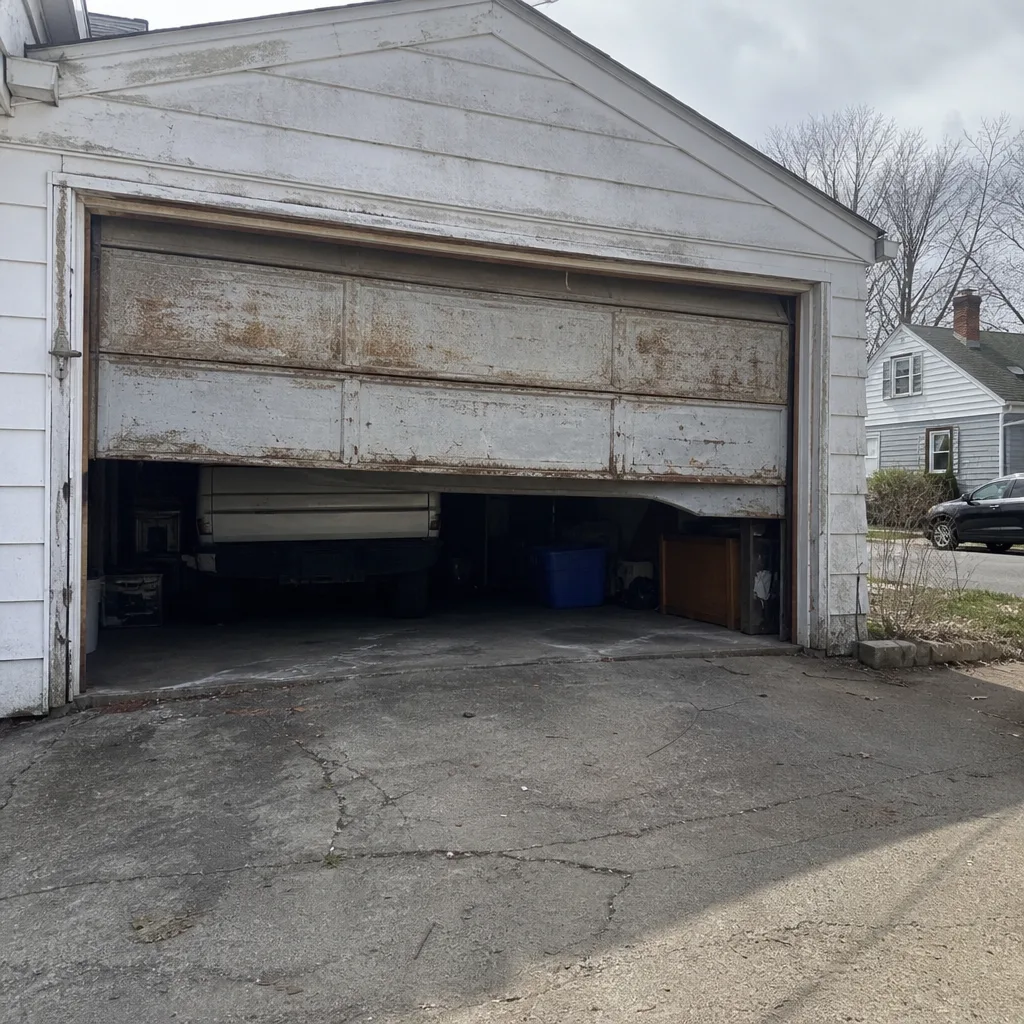 Before
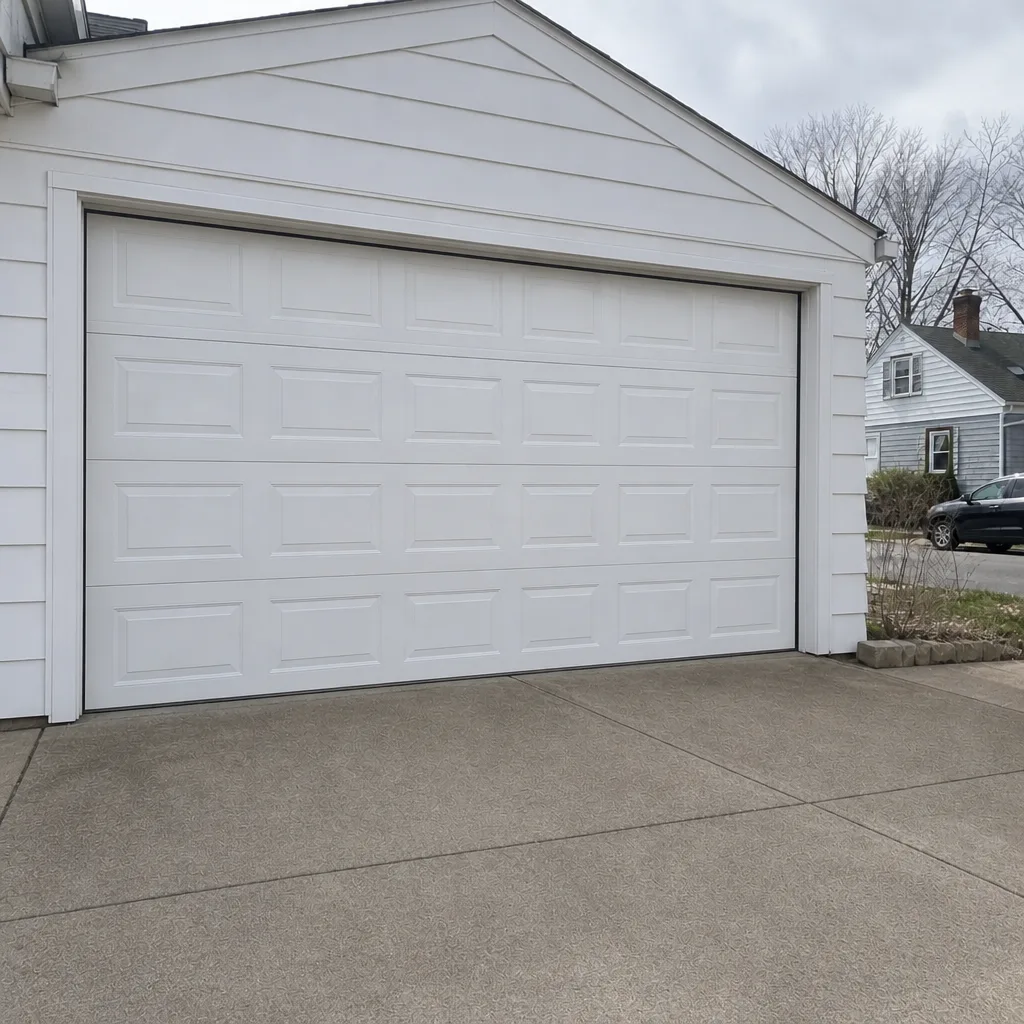 After
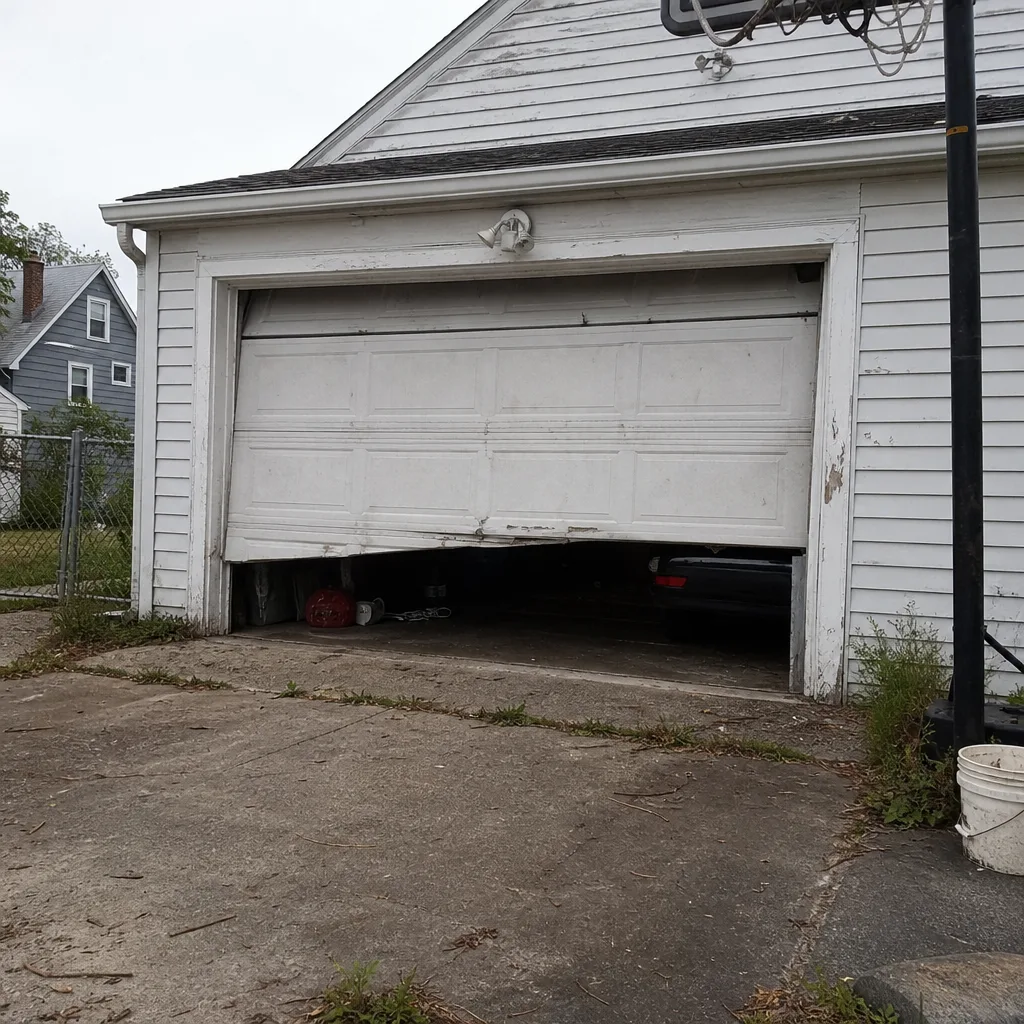 Before
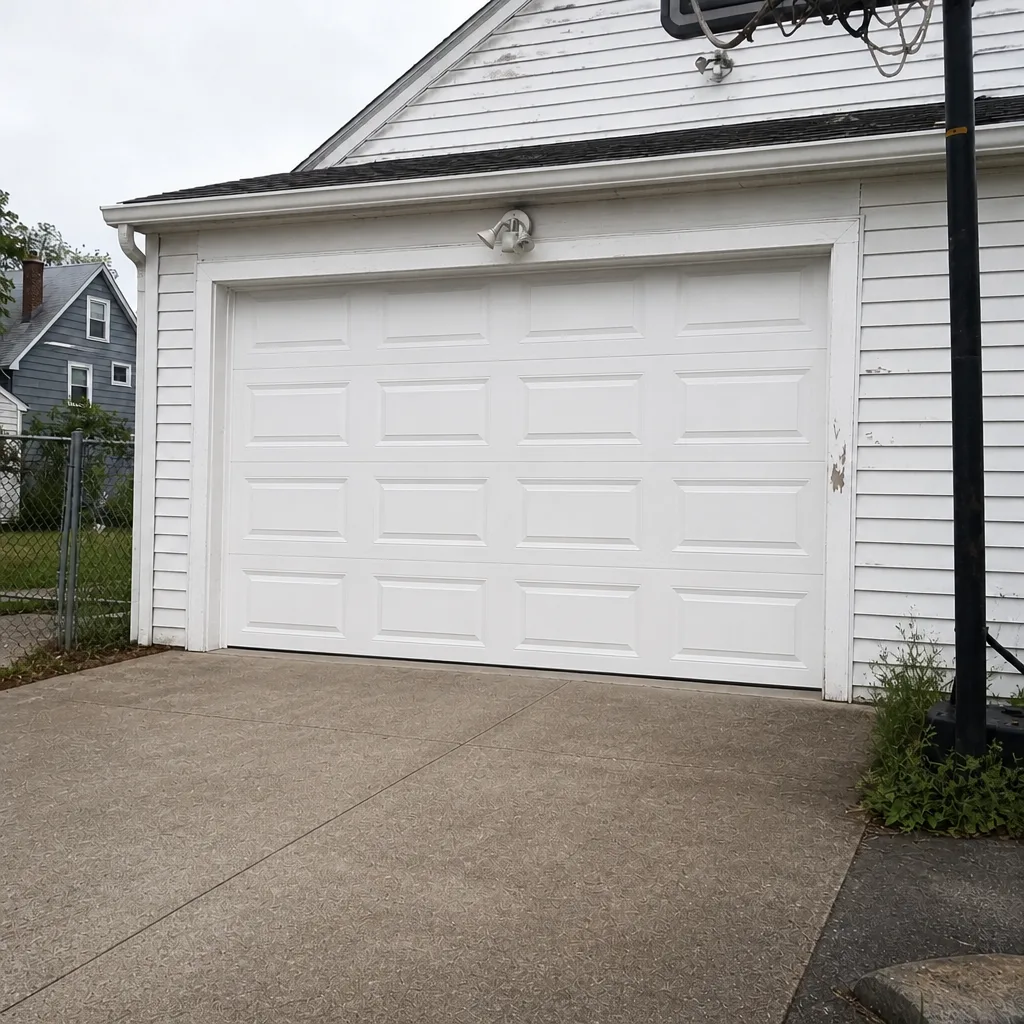 After
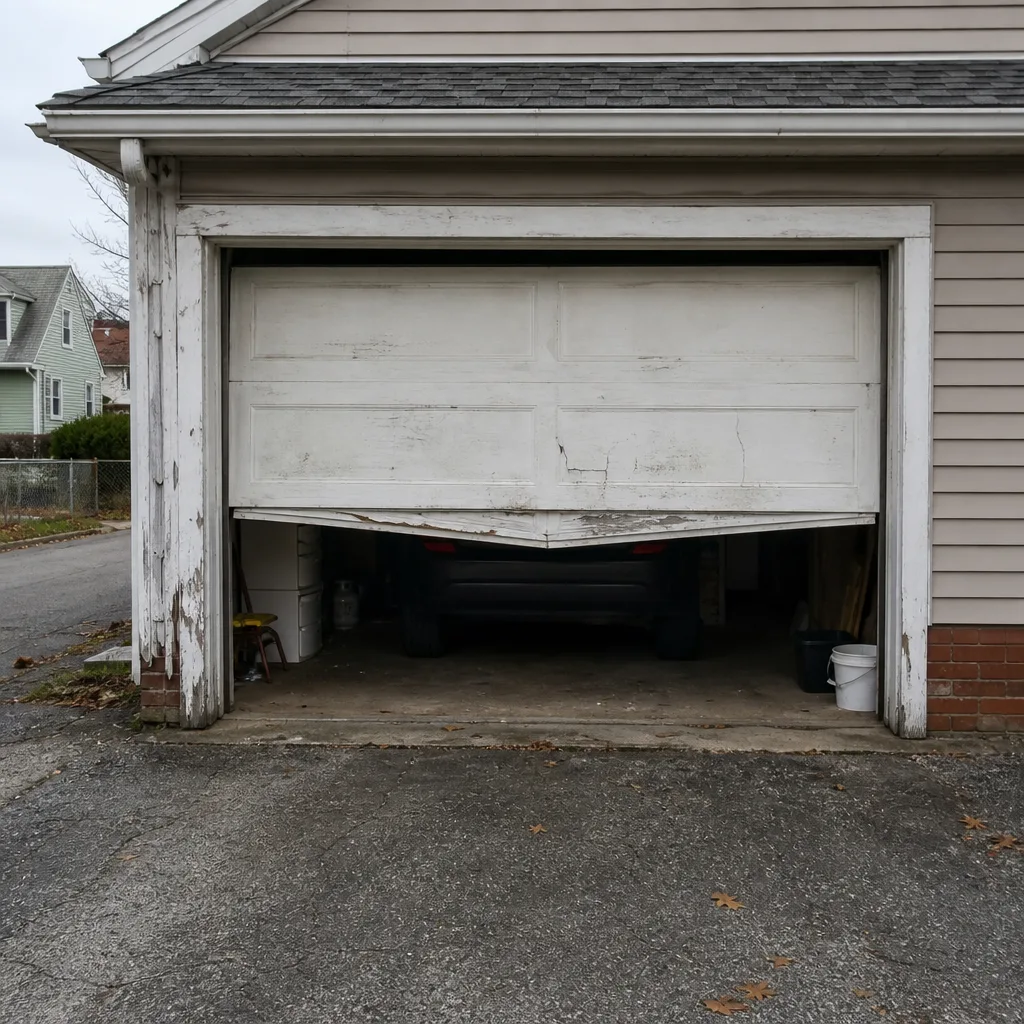 Before
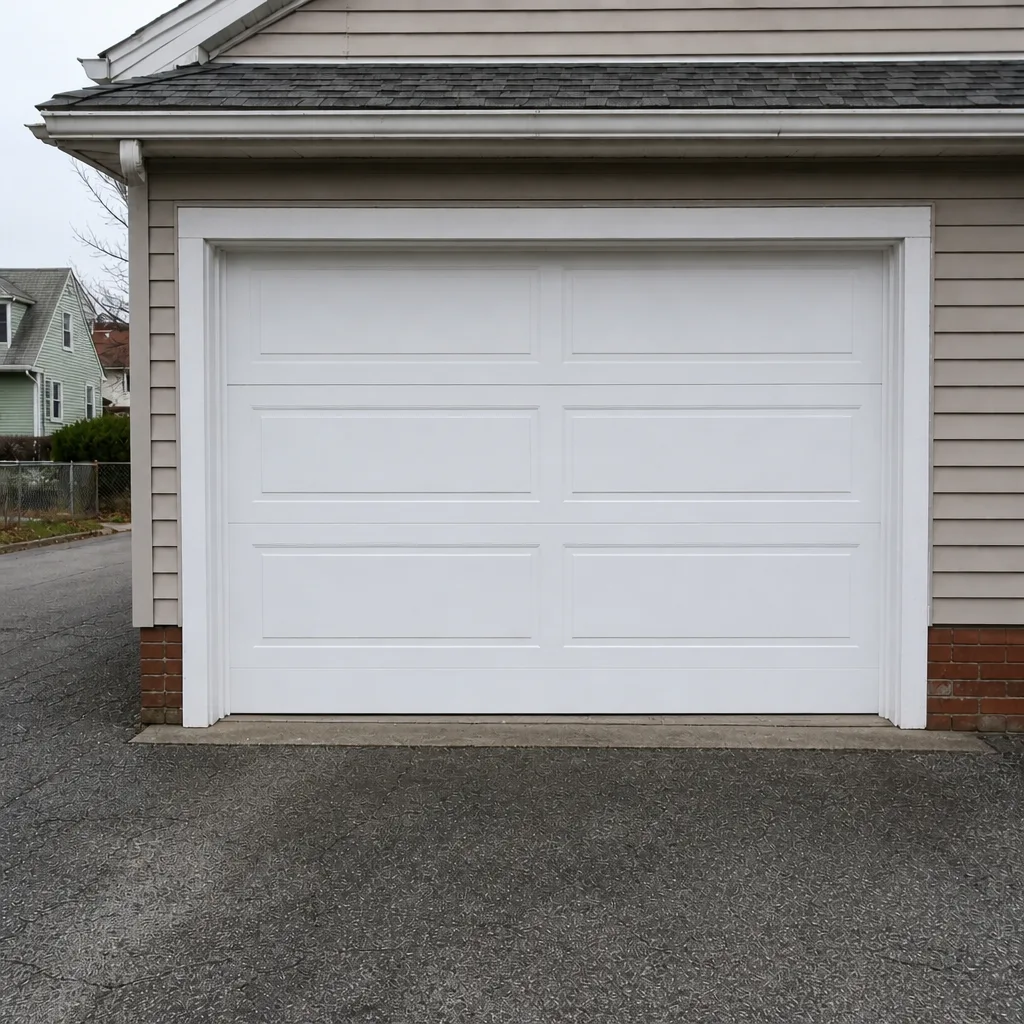 After
When to Call a Professional
Call a professional when the door won’t open or close, when you hear a loud snap from above the door, when a spring looks stretched or broken, or when the opener runs but the door doesn’t move. Same for a door that lifts unevenly, grinds, or reverses on its own. Stop and call before touching a wound spring: springs and cables carry tension that can cause serious injury, and this is the one repair you should never attempt yourself. For regular adjustments and roller or hinge work, a specialist will also spot the early wear before it becomes a stuck door. Garage Door Repair Pawtucket offers free estimates in Pawtucket – call (855) 658-5250.
Frequently Asked Questions
Typical garage door repair in Pawtucket ranges from about $150 to $350 for a single spring replacement, with a matched pair running about twice that, and opener repairs land in a similar range depending on the part. The written estimate sets the final price, quoted and agreed before work begins. Call (855) 658-5250 for an exact quote – estimates are free.
Look up the contractor’s registration through Rhode Island’s online contractor registration service, confirm it is active, and ask for a certificate of insurance that names the business. The check takes about two minutes and the name on the registration should match the name on the quote.
Same-day and emergency service is available for situations that can’t wait. Spring, opener and door failures are the cases we hear most. Call (855) 658-5250 and tell us what the door is doing so we can route the right technician.
No. We quote an agreed price before any work starts, and a change only happens if you agree to one in writing. If the door presents something neither side could see, you get to confirm the change before work continues. Call (855) 658-5250 for a free estimate – estimates are free.
Yes – the local professional we connect you with is licensed and insured as Rhode Island requires, and you can verify the registration before booking. Ask for the registration name and number when you call.
We service LiftMaster, Chamberlain, Genie, Clopay, Amarr, Wayne Dalton, Craftsman and Raynor products, covering both door manufacturers and opener ecosystems. If your home runs an older Craftsman opener or a newer LiftMaster myQ system, the technician arrives already familiar with it.
The Bottom Line
Hiring a garage door contractor in Pawtucket is a screening exercise, not a price hunt. Verify Rhode Island registration and insurance first, then ask the five technical questions and read the quote for itemized parts and labor, the part grade, and a written warranty that covers labor. Compare bids on what they include, not on the bottom line. The contractor who passes those checks is the one who’ll still be straight with you when something fails. For a service that treats your door as a system rather than a side task, Garage Door Repair Pawtucket keeps the full job in one place. For opener problems, our garage door opener repair covers the mechanical and smart-home systems alike. Our technicians have up to 9 years of experience. Call (855) 658-5250 for a free estimate in Pawtucket today.
Written by the team at Garage Door Repair Pawtucket.